Can you paint wood with emulsion – Pro Tips
In construction and decorative finishing, one question often comes up: Can you paint wood with emulsion? The straightforward answer is yes — but only when you understand the limitations, preparation requirements, and expected performance. Emulsion paint is primarily designed for plaster and drywall, yet with correct preparation and application, it can be used effectively on wood surfaces.
This article explores how emulsion behaves on woodwork, the right way to use it, potential pitfalls, and professional insight into achieving a long-lasting finish. Whether you’re asking “Can you paint wood with emulsion?” or exploring alternative finishes, this guide will provide clarity.
Can You Use Emulsion on Untreated Wood?
Many DIYers ask, can you paint wood with emulsion? Painting emulsion on wood creates a decorative surface, but it does not provide the same durability as paints specifically formulated for timber. Emulsion paint is water-based and has a softer film compared to wood paints like satinwood, eggshell, or gloss.
When applied to wood without proper preparation, emulsion can appear blotchy or uneven. Wood absorbs water differently than plaster, and without sealing, the paint soaks into the grain irregularly. This is why professional painters emphasize preparation when you can you paint wood with emulsion — it isn’t simply a matter of brushing it on.
Strictly speaking, can you paint wood with emulsion on untreated wood? The answer is yes, but the result is unpredictable. The wood’s porosity causes uneven absorption, and the paint may dry with a patchy appearance. To avoid this, many tradespeople recommend sealing the wood first.
Using a suitable primer or undercoat is critical. It seals the surface so that the emulsion can form a consistent, closed film. A primer prevents rapid absorption into bare timber frame and reduces the risk of the emulsion pulling away from the surface as it dries. Preparing wood this way ensures that your project answers the common DIY question: Can you paint wood with emulsion successfully.
What Preparations Are Needed Before Painting Wood With Emulsion?
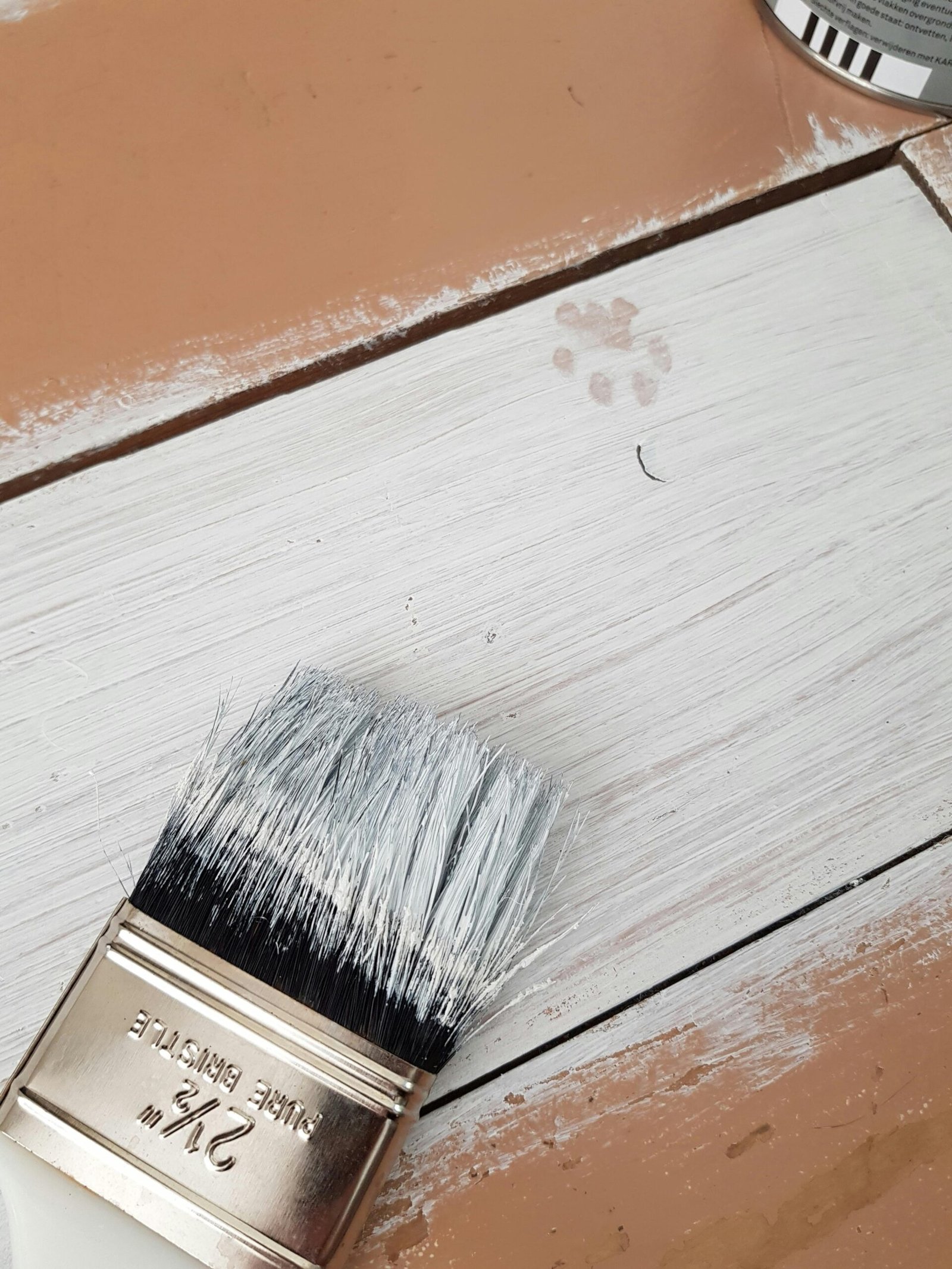
Professional preparation is essential if you want a finish that lasts. Start by sanding the wood to remove any loose fibers or old paint. A slightly abrasive surface improves adhesion and ensures that can you paint wood with emulsion without it peeling or flaking over time.
Next, clean the wood thoroughly to remove dust and contaminants. Applying a coat of primer tailored for wood surfaces ensures that the emulsion paint adheres properly. This process is especially important if you intend to can you paint wood with emulsion in living spaces or high-use areas.
Can You Paint Emulsion Onto Previously Painted Wood?
Yes, you can apply emulsion to previously painted wood, provided the existing finish is intact and properly prepared. Sand down glossy or flaking paint before applying a primer. Once the surface is keyed and stable, you can paint wood with emulsion even over old wood paint.
If the existing coating is a wood paint (like satinwood or gloss), slightly scuff sanding improves adhesion. Painting emulsion onto this prepared surface will give a matt finish that suits decorative trim or low-traffic woodwork.
How Many Coats of Emulsion Do You Need on Wood?
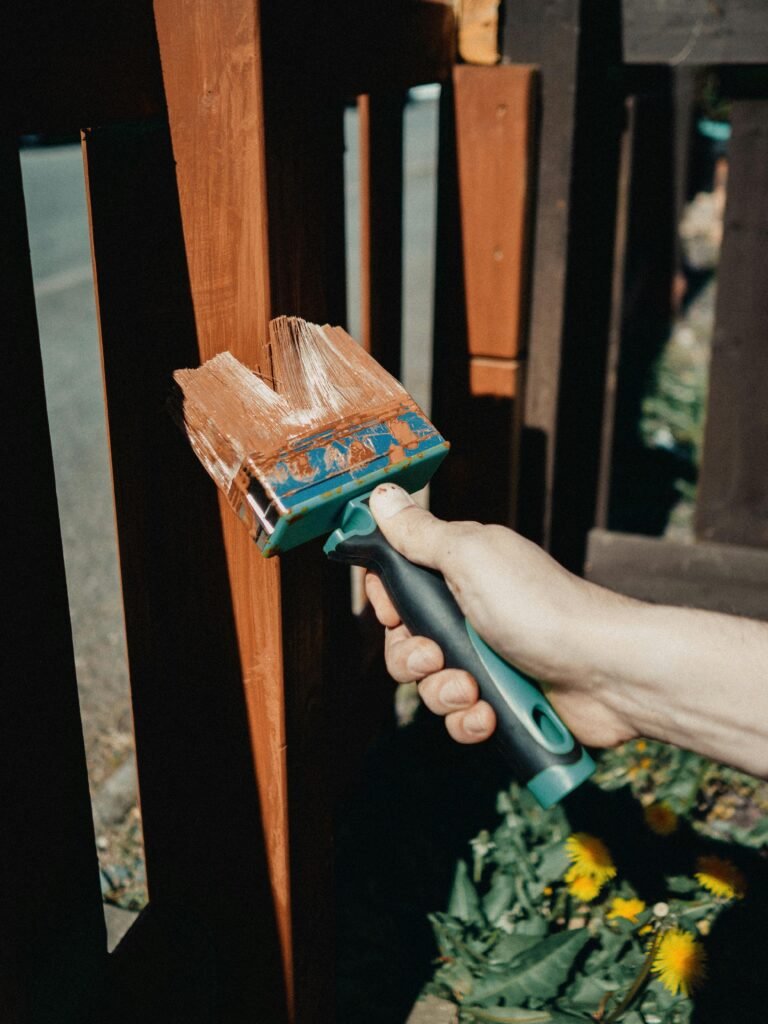
Expect to apply at least two coats of emulsion when painting wood. The first coat primarily acts as a base layer and may appear thin, especially on untreated wood. After it dries, the surface usually benefits from light sanding to remove grain raise and improve smoothness. Follow with a second coat for an even finish.
For darker colored wood or when switching to a significantly different shade, a third coat may be necessary. Professional painters often remind clients asking can you paint wood with emulsion that multiple thin coats deliver a smoother, longer-lasting finish.
Is Emulsion Durable on Woodwork?
Compared with dedicated wood paints, emulsion is less durable and less resistant to abrasion, moisture, and cleaning. Although a high-quality “washable” emulsion improves performance, it still doesn’t match the resilience of oils or acrylic decorative wood paints.
Emulsion finishes are most suitable for non-touch wood surfaces like skirting boards or decorative panels in low-traffic areas. If you’re considering can you paint wood with emulsion for frequently handled surfaces, understand the limitations and consider a more robust paint type.
Does Emulsion Work on All Types of Wood?
Emulsion can be used on most interior timbers, but performance varies. Close-grained woods like MDF, pine, and poplar respond well when primed correctly. Hardwoods such as oak or mahogany may require additional filling and sealing to hide grain and achieve an even surface.
For engineered boards or plywood, a primer and stabilizer base coat is critical. Proper substrate preparation ensures that paint does not lift or flake over time, giving you confidence that can you paint wood with emulsion and achieve a professional look.
How Long Does Emulsion Take to Dry on Wood?
Emulsion typically dries to the touch on wood surfaces in about 1–2 hours. However, full curing — when the paint film reaches maximum hardness and stability — can take up to 24–48 hours. This drying timeline depends on temperature, humidity, and ventilation.
To answer the DIY question of can you paint wood with emulsion, ensure good airflow, especially in colder months, so that your emulsion dries evenly and adheres properly.
Can You Use Emulsion as Undercoat?
Many people ask, can you use emulsion as undercoat? Emulsion is mainly designed for walls and ceilings. However, it can be used as a temporary undercoat in some cases. This works well on interior plaster or walls. It is useful when covering darker colors with lighter shades. Using emulsion this way creates a base layer before the topcoat.
It is important to note that emulsion is not a proper primer or undercoat. This is especially true on wood, high-traffic areas, or exterior surfaces. Using emulsion alone on wood can lead to poor adhesion. It may peel or wear off over time.
Surface preparation is key when using emulsion as an undercoat. Make sure the surface is clean, dry, and dust-free. Light sanding can improve adhesion. For wood, thinning the emulsion slightly with water helps it bond better. It also creates a smooth base for painting. Emulsion works best as an undercoat for interior walls, lightly used woodwork, or surfaces that will get water-based topcoats.
Emulsion is not suitable as an undercoat for bare wood or outdoor surfaces. It lacks the sealing and durability properties of a proper wood primer. Areas exposed to moisture or oil-based topcoats will need a dedicated undercoat. Using the right wood primer or undercoat ensures better adhesion, prevents peeling, and gives a smooth finish.
In short, you can use emulsion as an undercoat for minor indoor projects. But for professional results on wood or high-traffic surfaces, always use a proper primer. Emulsion alone works only for interior walls, light woodwork, or water-based topcoats.
Frequently Asked Questions
Can you use emulsion on wood?
Yes, with proper preparation and primer, you can paint wood with emulsion.
Can you paint emulsion onto woodwork?
Absolutely — sanding and priming are essential to achieve a professional finish.
Can I paint wood with emulsion paint?
Yes, emulsion works on interior wood surfaces but is best for low-traffic areas.
Can you use matt emulsion on wood?
Yes, but matt emulsion is less durable; satin or eggshell is recommended for durability.
Is emulsion paint on woodwork durable?
It is moderately durable; use only for decorative and low-traffic wood surfaces.
Can you use wall paint on wood?
Yes, with primer, though wood-specific paints provide better longevity.
How soon can I sand emulsion on wood?
After 1–2 hours when the first coat is fully dry.
Summary
Painting wood with emulsion is possible with proper preparation, including sanding, cleaning, and priming. For best results, apply multiple thin coats and allow sufficient drying time to achieve a smooth, even finish on interior wood surfaces like skirting boards and panels.
While emulsion is convenient and cost-effective, it is less durable than wood-specific paints. For high-traffic or exterior wood, satinwood or gloss paints are better. Proper surface prep, primer use, and drying ensure a professional, long-lasting finish when using emulsion on wood.