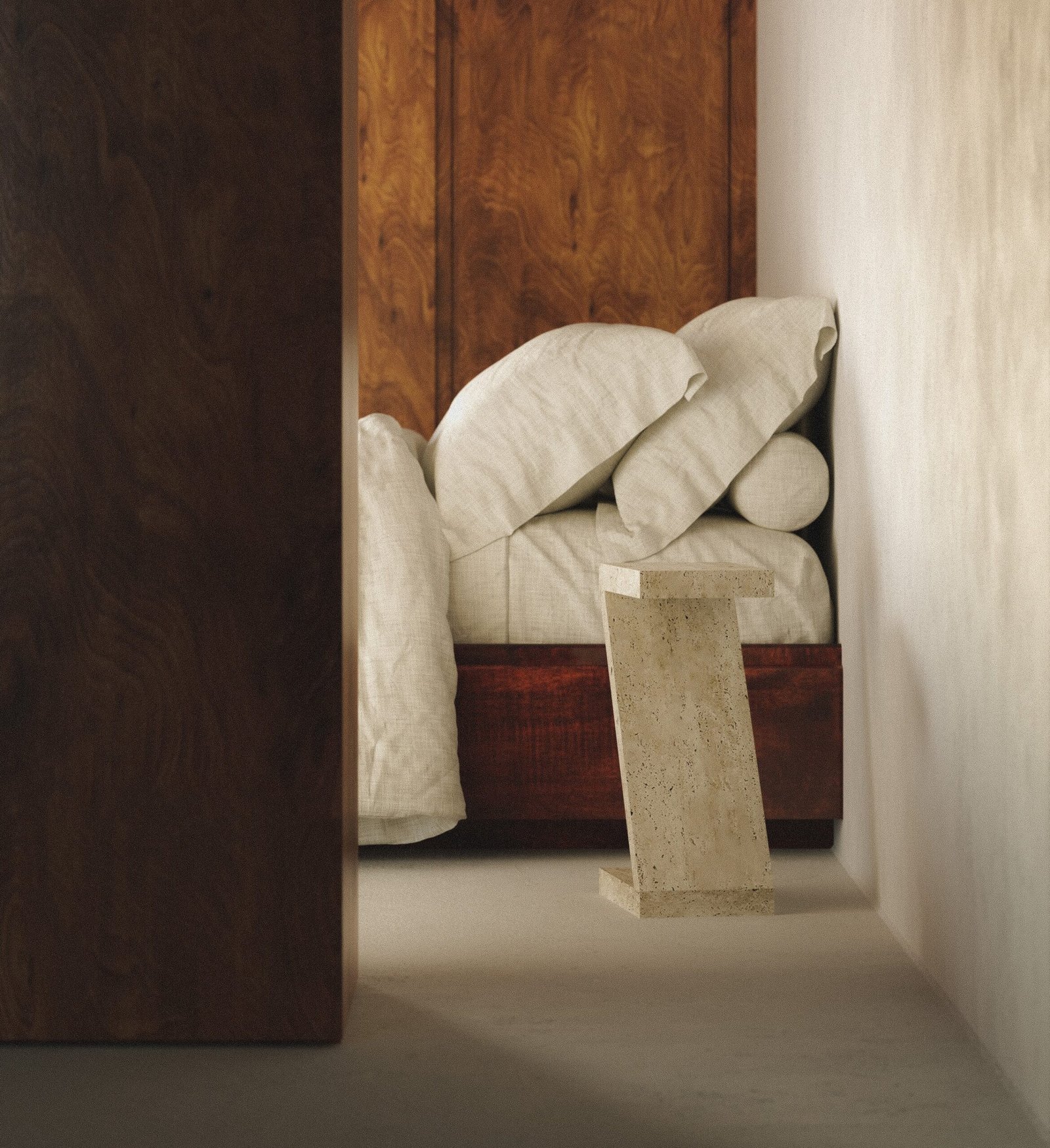
Stone vs Wood: How to Choose the Perfect Coffee Table for Your Living Room
The coffee table is one of the hardest-working pieces in any home. It anchors the living room, holds morning cups of coffee, stacks favorite books, and sets the tone for everything around it. Yet it is often chosen quickly, without the consideration it deserves. Two materials have risen above the rest in recent years to define what a truly elevated coffee table can look like: natural travertine stone and rich walnut wood. If you are weighing up your options, this guide will walk you through everything you need to know.
The Case for a Travertine Coffee Table
A travertine coffee table brings something no manufactured material can replicate: the quiet authority of natural stone shaped over millennia. Travertine is a form of limestone deposited by mineral springs, and its surface tells that story openly. Fine pores, subtle veining, and warm tonal shifts from ivory to honeyed beige make every slab genuinely unique.
The resurgence of travertine in contemporary interiors is no accident. As homeowners move away from synthetic surfaces and trend-driven pieces, natural stone has reclaimed its place at the center of sophisticated living spaces. A stone coffee table of this kind carries an architectural presence that feels at home in minimalist apartments and sun-lit Mediterranean villas alike.
Beyond its beauty, travertine is built for the long term. Properly sealed, it resists daily wear with ease. Minor marks and natural patina only deepen its character over time, making it one of those rare materials that genuinely improves with age rather than showing it.
The Enduring Appeal of a Walnut Coffee Table
Few materials carry the same warmth and richness as walnut wood. A walnut coffee table does not simply sit in a room. It gives the room something to organize itself around. The deep brown tones, flowing grain patterns, and smooth finish create an immediate sense of comfort and quality that is difficult to achieve any other way.
Walnut has been prized by furniture makers for centuries, and for good reason. Unlike many other wood species, it deepens in color over time. With regular oiling or waxing, the surface develops a luminous patina that becomes richer with each passing year. This is not a piece you replace. It is a piece you inherit and eventually pass on.
Walnut pairs naturally with leather sofas, linen cushions, wool throws, and earthy tones. Whether your interior leans toward mid-century modern, rustic warmth, or quiet luxury, wood furniture of this quality finds its place without effort.
Travertine vs Walnut: What Really Sets Them Apart
Mood and Aesthetic
The most fundamental difference between these two materials is the feeling they create. Travertine reads as cool, architectural, and quietly luxurious. It brings a gallery-like stillness to a room. Walnut is warm, tactile, and grounding. It creates intimacy and a sense of rootedness. Neither is superior. They speak different languages, and the right choice depends on which language your home already speaks.
Maintenance and Durability
Both materials are built to last decades, but they ask for different care. Travertine benefits from periodic sealing to protect its porous surface, and coasters are a sensible precaution around acidic drinks. Walnut responds well to occasional oiling or waxing, which keeps the wood nourished and the finish alive. In both cases, the effort is minimal and the payoff is a piece that only gets better.
Interior Design Versatility
Stone tends to anchor interiors built around neutral palettes: white walls, polished concrete, plaster finishes, metal accents. Wood thrives in warmer, more layered spaces: terracotta, deep greens, natural textiles, aged leather. That said, both materials are more flexible than they might first appear. A stone table can be warmed up with a jute rug and textured cushions. A wood table can be sharpened with brass hardware and ceramic objects.
Investment and Longevity
One of the most important qualities travertine and walnut share is that neither goes out of style. These are not trend-driven materials. They have anchored distinguished homes for generations, and they will continue to do so. Choosing either is a long-term investment in quality, one that holds its value and its beauty long after cheaper alternatives have been forgotten.
How to Style Your Coffee Table Well
Choosing the right material is only part of the decision. How the table is sized, positioned, and styled determines how successfully it works in the room.
Get the proportions right. A coffee table should be roughly two-thirds the length of the sofa it sits in front of. Too small and it will look adrift. Too large and it will crowd the room.
Match the height to the sofa. The table surface should sit at the same level as the sofa seat cushions, or no more than two inches below. This makes it practical and visually balanced.
Leave space to move. Allow at least 18 inches between the table and the sofa. This ensures the piece feels considered rather than crammed.
Style the surface with intention. A bare coffee table rarely looks its best. A tray, a stack of books, a small plant, or a sculptural object brings it to life without overwhelming it.
Work with the room. For stone, add warmth through soft textiles and organic shapes nearby. For wood, introduce contrast with ceramic, glass, or metal accents.
2025 Trends: The Return to Natural Materials

Interior design in 2025 continues its firm move toward authenticity. Homeowners are increasingly drawn to materials with a genuine story, things that could only have been made by nature or by skilled hands. Travertine remains one of the most talked-about surfaces in the design world, appearing in leading studios and architecture publications across Europe and beyond. Walnut, meanwhile, holds its position as the benchmark of warm, sophisticated interiors.
A notable emerging trend is the combination of both materials in a single piece: stone tops set in walnut frames, or wood tables with travertine inlays. These hybrid designs offer the warmth of wood alongside the permanence of stone and signal a broader appetite for furniture that feels genuinely considered.
Why Petra Madalena
If you are looking for a coffee table that genuinely delivers on material quality, craftsmanship, and enduring design, Petra Madalena is where the search ends. The collection brings together natural stone and wood pieces selected for their beauty, their integrity, and their ability to anchor a room for decades.
Every piece in the Petra Madalena range is chosen with the long-term owner in mind. The sourcing is careful, the finishing is precise, and the designs are rooted in the kind of restraint that ages well. These are not mass-produced pieces assembled for a catalog. They are objects with presence, built to become a permanent and defining part of the homes they enter.
Whether you are drawn to the mineral beauty of stone or the living warmth of wood, you will find what you are looking for at Petra Madalena. Browse the full coffee table collection and discover pieces made not just to fill a room, but to complete it.
Key Questions Before You Buy
What mood does my living room have? Cool and architectural points toward stone. Warm and layered points toward wood.
Do I have young children or pets? Both materials are durable, but wood is marginally more forgiving with minor impacts. Unsealed stone can be more susceptible to staining.
Am I buying a statement piece or a complement? Stone tends to command attention and define the room. Wood integrates more quietly while still adding significant character.
What is my long-term budget? Quality natural materials represent a genuine investment, but one that pays back in longevity and enduring beauty. Buying well once costs less than replacing twice.
Final Thoughts
There is no wrong answer here. Stone and wood are both expressions of the same underlying instinct: a preference for the real over the imitation, the lasting over the temporary. The question is simply which one fits who you are and how you live.
Take your time, think about the room as a whole, and choose the piece that you will still be glad to have in ten years. That is the only standard that matters.