

Ancient Asian Herbs for Studying: How to Build a Non-Caffeine Focus Routine
Ancient Asian Herbs for Studying sounds like a search for a quick memory shortcut, but a better approach is simpler and safer: build a study routine that does not depend on heavy caffeine. Many people look for “focus herbs” when they feel tired from coffee, energy drinks, late nights, and long screen sessions. The real goal should be a steady routine that combines smart study blocks, sleep, hydration, food, breaks, and careful supplement label reading.
Herbs with long histories in Asian traditions may appear in modern focus, memory, adaptogen, and daily wellness formulas. Common examples include Panax ginseng, Korean red ginseng, gotu kola, bacopa, reishi, lion’s mane, schisandra, ashwagandha in broader Asian herbal contexts, and sometimes green tea extract. Secrets Of The Tribe treats this as routine literacy: herbs should support a clear schedule, not replace rest, study strategy, or professional advice.
This article is educational only and is not medical advice. Herbal supplements are not a solution for diagnosed attention disorders, sleep disorders, anxiety, depression, chronic fatigue, academic stress, or any medical condition. If you are under 18, pregnant or breastfeeding, taking medication, sensitive to stimulants, managing a health condition, or unsure whether a supplement is appropriate for you, ask a qualified healthcare professional before using study-related herbal products.
What Do People Mean by Ancient Asian Herbs for Studying?
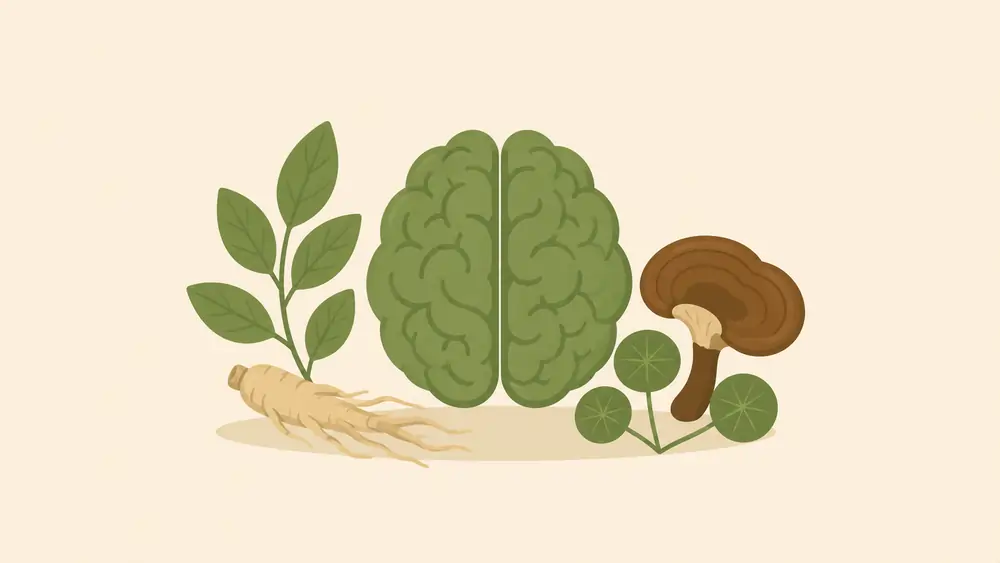
People usually mean herbs that have long traditional use in Asian wellness systems and now appear in focus, memory, calm, adaptogen, or study-routine formulas. The phrase does not describe one official category.
In modern supplement shopping, these herbs may appear in capsules, tinctures, teas, powders, gummies, mushroom blends, nootropic blends, or caffeine-free focus formulas. The same herb can also appear in a formula that includes caffeine.
That is why label reading matters more than the front-label phrase “study support.”
Can Herbs Replace Sleep or Study Strategy?
No. Herbs cannot replace sleep, spaced repetition, focused practice, hydration, breaks, planning, or medical care when symptoms are serious.
A student who sleeps four hours, drinks too much coffee, skips meals, and studies without breaks will not fix the routine with a capsule. A supplement may be part of a routine for some adults, but it should not become the foundation.
The strongest non-caffeine focus routine starts with behavior first.
Quick Overview: Herbs Commonly Seen in Study Formulas
| Ingredient | Common Label Context | Key Buyer Question |
|---|---|---|
| Panax ginseng | Focus, vitality, adaptogen, daily performance formulas | Does the product also include caffeine or stimulant ingredients? |
| Korean red ginseng | Traditional Asian herb, capsule, extract, tonic, liquid shot | Is it a single herb or an energy-style blend? |
| Gotu kola | Herbal focus, calm, study, and wellness formulas | What is the serving size and plant part? |
| Bacopa | Memory and nootropic formulas | Is it standardized, and does it fit your routine? |
| Schisandra | Adaptogen and daily resilience formulas | Is it combined with other adaptogens or stimulants? |
| Reishi | Mushroom wellness blends | Is it meant for daytime or evening use? |
| Lion’s mane | Mushroom focus and cognitive wellness formulas | Is it a fruiting body, mycelium, extract, or blend? |
| Green tea extract | Focus and energy formulas | Does it contain caffeine? |
Why Non-Caffeine Does Not Always Mean Non-Stimulating
Non-caffeine means the product does not rely on caffeine as the main stimulant. It does not guarantee that every person will feel neutral after taking it.
Some herbs may feel activating to certain users. Some formulas combine caffeine-free herbs with B vitamins, amino acids, green tea extract, guarana, yerba mate, or other ingredients that change the experience.
Before using a product during study time, read the full label and test it on a low-pressure day.
Why Students Often Overdo Caffeine
Caffeine can feel like a simple fix during exams, long work sessions, or late-night study blocks. But too much caffeine can make the routine unstable. It may affect sleep timing, appetite, hydration habits, nervousness, and next-day energy.
The bigger problem is the loop. A person drinks caffeine to study late, sleeps poorly, wakes tired, drinks more caffeine, and repeats the cycle.
A non-caffeine focus routine tries to break that loop instead of pushing it harder.
Common Caffeine Sources to Watch
| Source | Why It Matters | Study Routine Risk |
|---|---|---|
| Coffee | Obvious caffeine source | Easy to keep refilling during long sessions |
| Matcha | Caffeinated green tea powder | Often perceived as gentler, but still adds caffeine |
| Energy drinks | May include caffeine and other active ingredients | Can stack with supplements without the user noticing |
| Pre-workout | Often includes caffeine or stimulant blends | Can affect sleep if used late |
| Guarana | Natural caffeine source | May hide inside focus formulas |
| Yerba mate | Caffeinated botanical beverage | Can add caffeine even when it sounds herbal |
| Green tea extract | May contain caffeine unless decaffeinated | Often appears in “focus” or “metabolism” blends |
How to Build a Non-Caffeine Study Routine
Start with the study block, not the supplement. Choose a realistic session length. Many people do better with 25 to 50 minutes of focused work followed by a short break.
Before the session, prepare water, a simple snack if needed, study materials, and one clear task. Remove extra tabs, silence notifications, and set a visible timer.
If you use an herbal product, take it only as the label directs. Do not add multiple new herbs at once.
Why Study Blocks Work Better Than Marathon Sessions
Marathon study sessions feel productive, but they often create shallow attention. The brain needs recovery time. Short breaks help reset attention, reduce screen fatigue, and make the next block easier to start.
A non-caffeine routine works best when the schedule is realistic. It should not require you to force focus for six hours without food, water, or movement.
Breaks are not laziness. They are part of the system.
Where Ancient Asian Herbs Fit in the Routine
Herbs fit best as a consistent, label-guided routine, not as a last-minute rescue before an exam. Some supplement categories are marketed as daily support rather than immediate study tools.
That means expectations matter. A capsule taken at midnight before a difficult test is not a study strategy. A better plan is to organize sleep, reading, review blocks, hydration, and meals before the high-pressure week begins.
Supplements should never carry the whole routine.
How to Read a Focus Formula Label
Start with the Supplement Facts panel. Look for serving size, amount per serving, botanical names, extract ratios, standardized compounds, caffeine sources, and proprietary blends.
Then check the “other ingredients” section. Gummies, powders, and drinks may include sweeteners, flavors, acids, colors, or caffeine-containing extracts.
Finally, read the warnings. Pay attention to age restrictions, pregnancy, breastfeeding, medication use, surgery, sleep concerns, blood pressure, blood sugar, and stimulant sensitivity.
Why Botanical Names Matter
Common names can be confusing. Ginseng may refer to Panax ginseng, Korean red ginseng, American ginseng, Siberian ginseng, or other products with “ginseng” in the name. These are not always interchangeable.
Gotu kola is usually Centella asiatica. Bacopa is often Bacopa monnieri. Schisandra is often Schisandra chinensis. Reishi is often Ganoderma lucidum or related species. Lion’s mane is Hericium erinaceus.
Botanical names help you understand what you are actually buying.
Why Proprietary Blends Make Study Formulas Harder to Compare
A proprietary blend may list several herbs under one combined amount. This can hide how much of each herb is included.
For example, a focus blend may contain ginseng, bacopa, gotu kola, schisandra, green tea extract, and mushrooms under one total blend amount. You can see the ingredients, but not necessarily the individual amounts.
Secrets Of The Tribe takes a cautious editorial stance here: clear formulas are easier to evaluate than crowded blends with vague amounts.
How to Avoid Caffeine Stacking
Make a simple caffeine list for the day. Include coffee, tea, matcha, energy drinks, pre-workout, cola, chocolate-heavy products, guarana, yerba mate, and green tea extract.
Then compare that list with any study supplement. If a product claims to be herbal but contains green tea extract or guarana, it may still add caffeine.
If your goal is non-caffeine focus, the full formula matters more than the front label.
Why First Use Should Not Happen on Exam Night
Do not test a new herb, tincture, capsule, mushroom blend, or nootropic formula the night before an exam. You do not know how it will feel, whether it will affect sleep, or whether your stomach will tolerate it.
First use should happen on a normal day. Keep caffeine, meals, and sleep as ordinary as possible. That gives you a cleaner read on your response.
A new supplement should never add uncertainty to a high-pressure night.
What About Herbal Tea for Studying?
Herbal tea can be useful as a routine anchor, especially if it is caffeine-free and not too close to bedtime. The act of making tea can mark the start of a study block.
But tea is not automatically low-risk. Some teas include stimulating ingredients, licorice root, green tea, yerba mate, or multiple herbs. Read the blend.
Also consider fluid timing. A large mug late at night may interrupt sleep with bathroom trips.
What About Mushroom Blends?
Mushroom blends often appear in focus and study products. Lion’s mane is common in this category. Reishi, cordyceps, maitake, shiitake, and turkey tail may also appear in broader wellness blends.
Check whether the product uses fruiting body, mycelium, extract, powder, or a blend. Also check whether caffeine or adaptogens are added.
A mushroom label can still be crowded. Read it like any other supplement.
What About Ginseng Before Studying?
Ginseng products may appear in study, vitality, and adaptogen formulas. Korean red ginseng and Panax ginseng are common label terms.
Ginseng does not equal caffeine, but some people may find it stimulating. It may also appear in energy drinks or blends that contain caffeine from other sources.
First-time users should avoid testing ginseng late at night or during high-pressure study sessions.
Who Should Be Extra Careful With Study Supplements?
Extra caution matters for students under 18, people taking prescription medications, people with anxiety, sleep problems, blood pressure concerns, heart conditions, diabetes, autoimmune conditions, seizure history, bleeding disorders, pregnancy, breastfeeding, or chronic health issues.
People using ADHD medication, antidepressants, sedatives, stimulants, blood thinners, diabetes medication, or blood pressure medication should ask a qualified professional before adding herbs.
Study stress is not a reason to ignore label warnings.
Ancient Asian Herbs for Studying Checklist
Use this checklist before adding herbs, mushrooms, tinctures, teas, or focus formulas to a study routine. The goal is to build a clear non-caffeine system instead of chasing a last-minute shortcut.
Start With the Schedule
Plan focused study blocks, short breaks, review time, and sleep before choosing any supplement.
Check the Caffeine Load
Count coffee, tea, matcha, energy drinks, pre-workout, guarana, yerba mate, and green tea extract.
Read the Supplement Facts Panel
Look at serving size, botanical names, ingredient amounts, caffeine sources, and proprietary blends.
Choose One New Product at a Time
Do not start several herbs or focus formulas together. One change is easier to evaluate.
Test on a Normal Day
Avoid first use before exams, all-nighters, presentations, travel, or high-stress deadlines.
Avoid Late-Night Experiments
Even caffeine-free formulas can feel stimulating or affect routine comfort for some people.
Use Food and Water as Basics
Hydration and steady meals support better study consistency than relying on capsules alone.
Track Your Response
Note timing, food, caffeine, sleep, mood, focus quality, and any discomfort.
Ask When Health Context Is Complex
If you use medication or have a health condition, ask a qualified healthcare professional before using study supplements.
Common Mistakes to Avoid
Expecting an Instant Memory Effect
Do not treat herbs as instant exam tools. Study quality depends on planning, repetition, sleep, and practice.
Stacking Caffeine With Herbal Blends
A formula can look herbal and still contain caffeine sources such as green tea extract or guarana.
Using Several Focus Products Together
Combining ginseng, mushrooms, nootropics, adaptogens, and energy drinks makes the routine hard to judge.
Testing a New Formula at Night
Late-night first use can interfere with sleep assessment and exam readiness.
Ignoring Medication Context
Herbs can be unsuitable with certain medications or health conditions.
FAQ on Ancient Asian Herbs for Studying
What are Ancient Asian Herbs for Studying?
They are herbs with long traditional use in Asian contexts that now appear in focus, memory, adaptogen, or study-routine formulas.
Do ancient Asian herbs improve studying instantly?
No. They should not be treated as instant study tools or replacements for sleep, practice, hydration, and planning.
Which herbs are common in focus formulas?
Common examples include Panax ginseng, Korean red ginseng, gotu kola, bacopa, schisandra, reishi, and lion’s mane.
Are non-caffeine focus formulas always stimulant-free?
No. They may still include ingredients that feel stimulating to some users or contain hidden caffeine sources.
Can green tea extract contain caffeine?
Yes. Green tea extract may contain caffeine unless the label clearly says otherwise.
Should I try a new study supplement before an exam?
No. Test any new product on a normal day, not before an exam or major deadline.
Is ginseng caffeine?
No. Ginseng is not caffeine, but ginseng products may be blended with caffeinated ingredients.
Are mushroom focus blends caffeine-free?
Some are, but not all. Check the full label for caffeine, green tea extract, guarana, or energy blend wording.
Who should ask a professional before using study herbs?
Minors, medication users, pregnant or breastfeeding people, and anyone with chronic health conditions should seek professional guidance.
Glossary
Panax Ginseng
An Asian ginseng species commonly used in traditional and modern supplement formulas.
Korean Red Ginseng
A processed form of Panax ginseng, usually steamed and dried.
Gotu Kola
Centella asiatica, an herb often found in traditional wellness and focus-related formulas.
Bacopa
Bacopa monnieri, an herb commonly seen in memory and nootropic supplement categories.
Schisandra
Schisandra chinensis, a berry used in adaptogen and traditional wellness formulas.
Lion’s Mane
Hericium erinaceus, a mushroom often used in focus and cognitive wellness products.
Adaptogen
A marketing and traditional-use category for herbs used in stress and resilience contexts.
Caffeine Stacking
Combining several caffeine sources in the same day or study routine.
Proprietary Blend
A grouped supplement formula that may not list the exact amount of each ingredient.
Supplement Facts
The label panel that lists serving size and dietary ingredients in a supplement.
Conclusion
Ancient Asian Herbs for Studying should be approached as part of a non-caffeine study routine, not as a shortcut. Build the foundation first: sleep, hydration, meals, focused blocks, breaks, clear labels, and careful testing before high-pressure study days.
Sources
Asian ginseng overview and safety cautions, National Center for Complementary and Integrative Health — nccih.nih.gov/health/asian-ginseng
Herb and supplement safety overview, National Center for Complementary and Integrative Health — nccih.nih.gov/health/dietary-and-herbal-supplements
Energy drinks safety overview including caffeine and guarana context, National Center for Complementary and Integrative Health — nccih.nih.gov/health/energy-drinks
Gotu kola overview and traditional-use context, Mount Sinai Health Library — mountsinai.org/health-library/herb/gotu-kola
Bacopa monnieri overview and supplement context, Memorial Sloan Kettering Cancer Center — mskcc.org/cancer-care/integrative-medicine/herbs/bacopa
Lion’s mane mushroom overview and supplement context, Memorial Sloan Kettering Cancer Center — mskcc.org/cancer-care/integrative-medicine/herbs/lions-mane-mushroom
Dietary supplement consumer guidance and label-reading basics, U.S. Food and Drug Administration — fda.gov/food/information-consumers-using-dietary-supplements/questions-and-answers-dietary-supplements
Supplement Facts label and serving-size guidance for dietary supplements, U.S. Food and Drug Administration — fda.gov/food/dietary-supplements-guidance-documents-regulatory-information/dietary-supplement-labeling-guide-chapter-iv-nutrition-labeling