
Home Water Pumps: What to Know
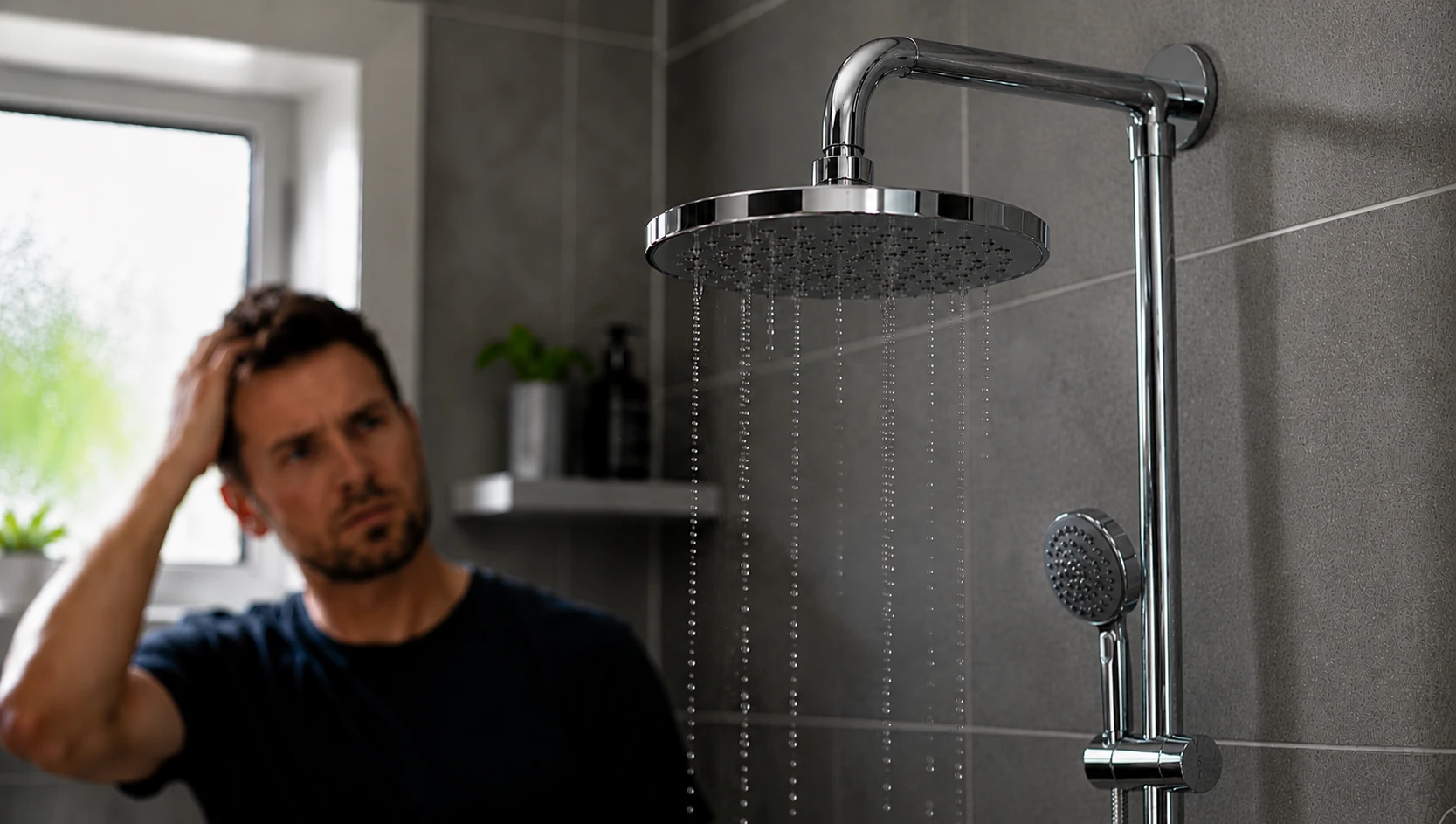
A home water pump is one of those household components that most people never think about until something goes wrong – a weak shower, poor pressure upstairs, or hot water that takes too long to arrive. In the UK, and particularly in London, these issues are more common than many homeowners realise. This guide explains when a pump is needed, what types are available, and what to look for when making a choice.
What Does a Home Water Pump Do?
At its simplest, a home water pump increases the pressure or flow of water within your property. Some pumps work on the cold and hot supply lines to improve tap and shower performance. Others are specifically designed to circulate water through central heating or hot water systems. The right type depends on the problem you are trying to solve.
Signs That You Might Need One
Consider a home water pump if you notice any of the following:
- Showers that produce a weak or inconsistent flow, even when the boiler is working correctly
- Significant pressure drop when more than one outlet is in use at the same time
- Hot water is taking a long time to reach taps, particularly in larger London properties with long pipe runs
- Uneven heating across radiators, with some staying cold while others heat normally
- Recently added bathroom or loft conversion, where the pressure at the new fixtures is noticeably lower than elsewhere in the home
The Main Types of Home Water Pumps
There is no single pump that suits every home. The main categories are:
- Shower pumps – designed to boost pressure to showers and bathrooms. Available in single or twin-impeller versions to handle either one supply line or both hot and cold simultaneously.
- Whole-house booster pumps — connected to the mains or to a storage tank to improve pressure throughout the property — are a practical solution for London homes where mains pressure is below ideal levels.
- Central heating circulation pumps – move heated water around the radiator circuit. If your radiators heat unevenly or slowly, this is the type to investigate.
- Hot water recirculation pumps – keep hot water continuously circulating so it arrives instantly at taps. Particularly useful in large properties where the boiler is far from the bathrooms.
home water pumps
What to Look for in a Home Water Pump
The best home water pumps for your property depends on several practical factors:
- Flow rate – measured in litres per minute. A typical UK shower requires at least 8–12 litres per minute to feel comfortable.
- Maximum head pressure – how high the pump can push water. For two-storey UK homes, ensure the specification comfortably covers the height difference.
- Noise level – look for models rated for quiet operation. This matters more than many buyers realise, especially if the pump is installed in a bathroom cupboard or close to a bedroom.
- Energy efficiency – a good pump runs continuously or frequently, so energy consumption matters. Choose an A-rated or variable-speed model to keep running costs reasonable.
- Build quality and warranty – a pump that fails prematurely causes disruption and costs more in the long run. Look for a reputable brand with a clear warranty.
Installation: What to Expect
Installing home water pumps in the UK should always be carried out by a qualified plumber or heating engineer. This is particularly important when the pump connects to the mains water supply, as the Water Supply (Water Fittings) Regulations 1999 apply. In London, some boroughs have additional requirements from Thames Water or the relevant local authority, so it is worth confirming requirements before work begins.
Most pumps are straightforward to install in a morning, provided the pipework is accessible and in good condition. The engineer will also test the system after installation to confirm that pressure and flow have improved as expected.
Common Mistakes to Avoid
A few errors come up repeatedly in home pump installations:
- Choosing a pump that is too powerful for the system can cause noise, pressure fluctuations, and accelerated wear on other components
- Installing on a gravity-fed system without checking whether the header tank height provides enough inflow to feed the pump correctly
- Neglecting to fit a strainer filter upstream of the pump, which allows debris to enter and damage the impeller over time
- Skipping vibration isolation mounts, which transmit noise through the structure of the home
Running Costs and Long-Term Value
A well-chosen home water pump is not a significant running cost. Modern variable-speed models consume as little as 5–20 watts during normal operation. Over the course of a year, the cost is typically modest – far outweighed by the comfort improvement and the water saved by avoiding long waits at the tap.
The key is to choose a quality pump from the outset and maintain it properly. Attempting to save money by buying an underspecified or poorly made pump usually results in early replacement, which costs more overall.
A Dependable Choice for UK Homes
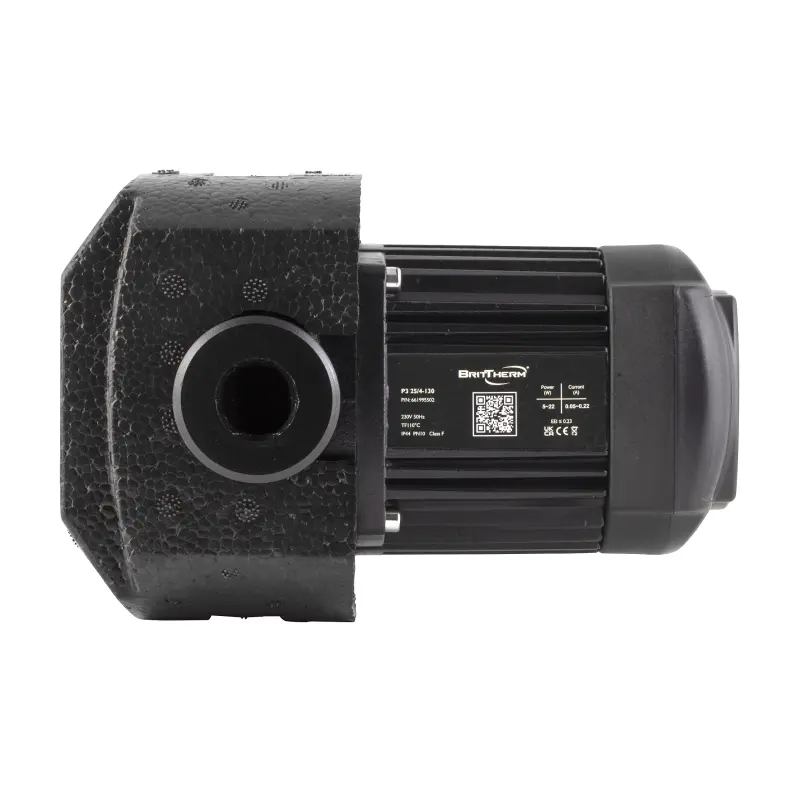
Home water pumps from BritTherm are built to meet the needs of UK residential properties – whether you are upgrading an older London terraced house or equipping a modern new-build. Designed for quiet, efficient, and long-lasting performance, BritTherm offers a range of pumps suited to different system types and household demands, backed by the reliability UK homeowners can depend on year after year.