What Homeowners Should Know Before Removing an Old Tile Floor
Many homeowners think a tile installation starts the day the first new tile is laid. In reality, one of the most important parts of the project happens before any new flooring ever enters the house. Removing an existing tile floor correctly creates the foundation for everything that follows, whether the new surface will be porcelain tile, luxury vinyl plank, laminate, engineered hardwood, or another flooring material.
Across the Tampa area, we’ve seen homeowners focus almost entirely on choosing new flooring while giving very little thought to the condition of the surface underneath. Unfortunately, old tile installations often leave behind cracked thinset, uneven concrete, loose patches, hidden moisture issues, or damage from previous repairs. Installing new flooring over these problems can shorten the life of even the highest-quality materials.
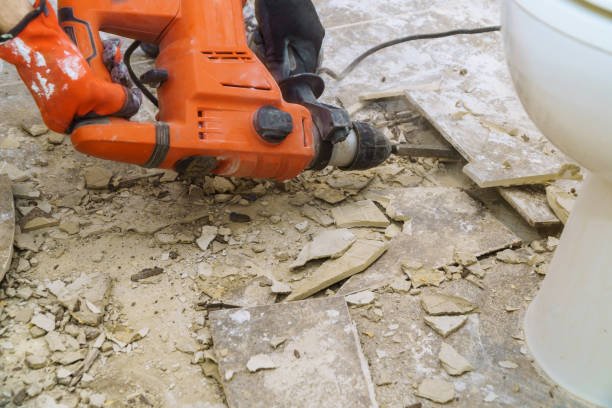
Professional tile floor removal involves much more than breaking tile into pieces. Every project begins with evaluating the existing installation, determining how the tile was bonded to the slab, identifying possible cracks or hollow areas, and planning the safest removal method. The objective isn’t simply to remove the tile—it’s to leave behind a clean, structurally sound surface that can properly support the next flooring system.
Florida homes present their own challenges as well. Concrete slabs are exposed to changing moisture conditions throughout the year, and older homes may contain several generations of flooring installed one over another. It’s common to discover layers of adhesive, old patching compounds, or multiple flooring materials that require careful removal before the new installation can begin. Skipping these steps often leads to additional costs later in the project.
Dust control has also become an important part of professional tile removal. Modern equipment allows much of the dust created during demolition to be captured before it spreads throughout the home. While no demolition project is completely dust-free, using the proper tools and containment methods helps protect nearby living areas and makes cleanup significantly easier once the work is finished.
Perhaps the biggest misconception is that demolition is simply the fastest phase of the renovation. In practice, experienced installers often spend more time preparing and cleaning the concrete than homeowners expect. A properly prepared slab provides the stable base needed for the next flooring system, reducing the likelihood of future movement, cracked grout, loose tile, or premature flooring failure.
For homeowners planning a flooring renovation, understanding what happens before installation begins can help them make better decisions, avoid surprises, and ensure the new floor has the best possible foundation for long-term performance.
Understanding What Happens After the Tile Comes Out
Once the old tile has been removed, many homeowners expect the new flooring installation to begin immediately. In reality, this is often where some of the most important work starts. Removing tile is only the first step. The condition of the concrete slab underneath ultimately determines whether the next flooring installation will perform as expected for years to come.
During demolition, installers frequently uncover leftover thinset, uneven patches, minor slab cracks, or areas that have been repaired several times over the life of the home. These conditions aren’t always visible until the tile has been completely removed. Addressing them before installing new flooring creates a much more stable foundation and helps reduce the risk of future problems.
This is why experienced contractors don’t treat demolition as a stand-alone service. Instead, they view it as part of the entire flooring process. Proper surface preparation after removing old tile floors before installing new flooring allows adhesives to bond correctly, helps large-format tile sit flat, and gives luxury vinyl plank, laminate, and hardwood flooring the even surface they require for long-term performance.
Another detail that is often overlooked is protecting the concrete during demolition. Using the right equipment and removal techniques minimizes unnecessary damage to the slab, reducing the amount of patching and grinding that may be needed later. This not only improves the finished result but can also save homeowners both time and additional repair costs.
Every project is different. Some homes require only light surface cleaning before moving forward, while others need extensive preparation to correct years of wear, previous remodeling work, or moisture-related issues. Taking the time to properly evaluate the slab after demolition helps ensure the next phase of the renovation begins with the strongest possible foundation rather than hidden problems waiting to appear later.
For Tampa homeowners, this preparation is especially valuable because Florida’s climate places additional demands on flooring systems. A clean, properly prepared concrete slab gives every new flooring material the best opportunity to perform well despite seasonal humidity changes and everyday household traffic.
Choosing the Right Team for Tile Floor Removal
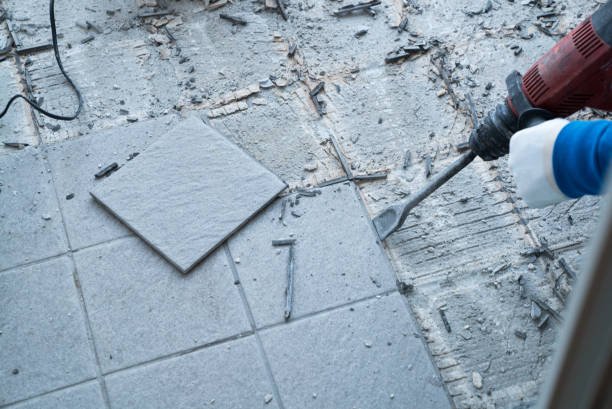
Tile floor removal may seem straightforward, but the quality of the demolition often determines how successful the entire renovation will be. A cleanly prepared concrete slab gives installers the opportunity to create a level, durable floor, while rushed demolition can leave behind hidden problems that affect every step of the project.
Homeowners should also ask what happens after the tile is removed. Will the remaining thinset be completely removed? Will the slab be inspected for cracks or moisture issues? Will damaged areas be repaired before the new flooring is installed? These questions are just as important as selecting the new flooring material itself.
Contractor Insight
One thing we’ve learned from working on flooring projects throughout the Tampa Bay area is that homeowners rarely regret spending extra time on proper preparation. They do, however, regret discovering uneven floors, loose tile, or installation issues that could have been prevented before the first new piece of flooring was installed. A successful project almost always begins with careful demolition and honest evaluation of the existing slab—not with rushing to install the new floor.
Final Thoughts
Removing an old tile floor is much more than the demolition phase of a renovation. It’s the opportunity to uncover hidden issues, prepare the concrete correctly, and create the foundation for a flooring system that will perform for years to come.
Whether the next step is porcelain tile, luxury vinyl plank, laminate, or hardwood flooring, investing time in proper tile removal and slab preparation helps reduce future repairs and improves the overall quality of the finished installation. When demolition is approached as the first stage of a complete flooring project rather than simply tearing out old materials, homeowners are far more likely to enjoy durable, long-lasting results.