
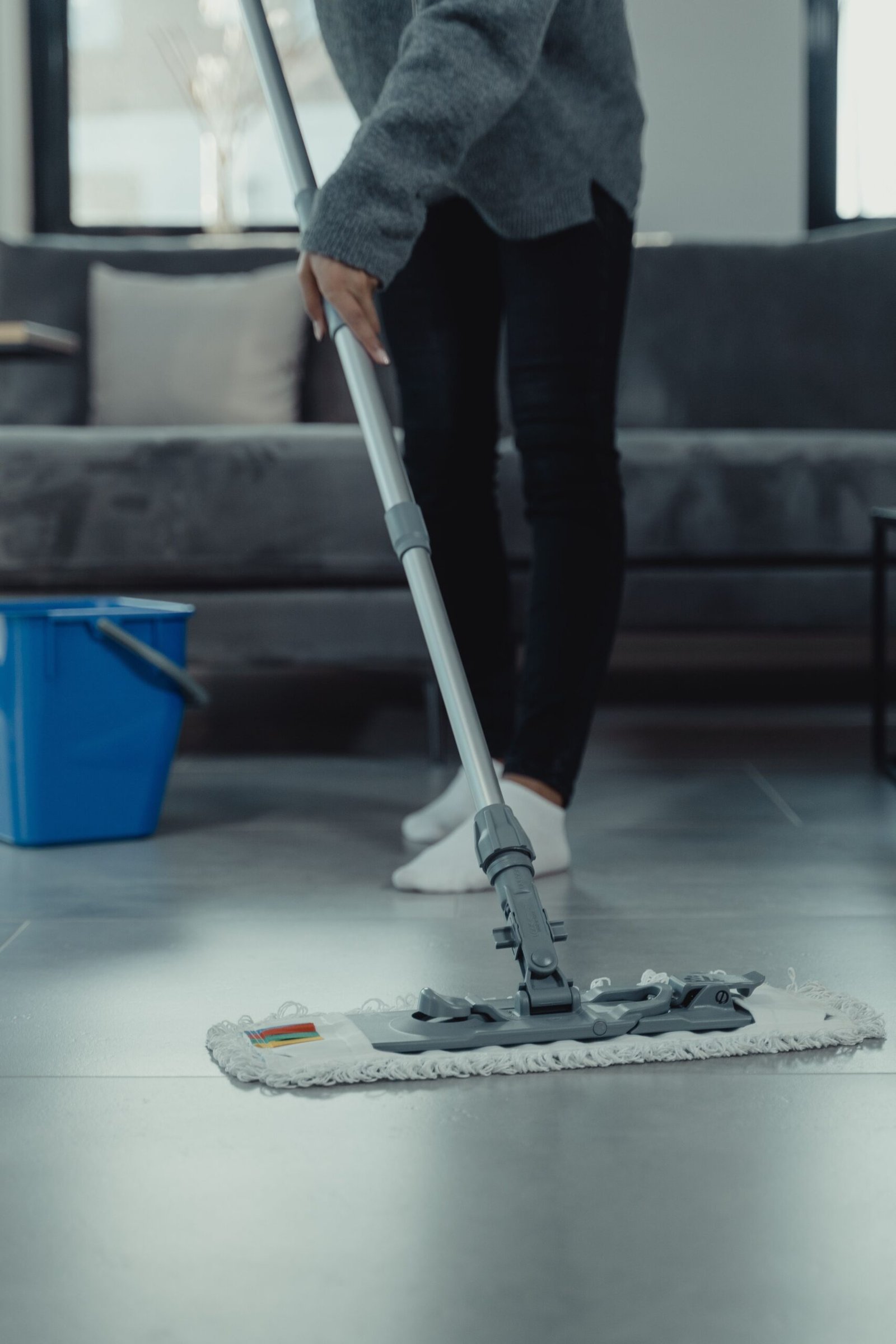
Finding the Best Room Floor Liquid for Your Home
The wrong room floor liquid ruined a laminate floor before anyone even noticed something was off. It wasn’t dramatic at first, just a slightly uneven feel near the door. A few weeks later, the seams had started to bubble. That’s usually how this kind of damage goes, nothing obvious happens right away, and by the time it does, nobody remembers what caused it. It’s exactly why picking the right room floor liquid matters more than people think.
Most people don’t think twice about which bottle they grab off the shelf. Fresh scent, nice label, “streak-free” printed somewhere on the front, good enough. But not every cleaner works the same way on every surface, and figuring that out the hard way tends to be an expensive lesson. That’s the whole idea behind brands like Terreéa Home Rituals, building formulas around specific surfaces instead of one bottle trying to do everything.
Floors Don’t All Need the Same Thing
It’s easy to assume floor cleaner is floor cleaner, the same way people assume shampoo is shampoo. But floors take a beating that other surfaces just don’t deal with. Shoes track things in from outside. Pets walk through with wet paws. Something spills and sits there for an hour before anyone grabs a paper towel. A room floor liquid made for a bathroom counter isn’t built with any of that in mind.
Here’s roughly how different flooring types actually respond to cleaning products, and why the differences matter more than people expect:
Hardwood doesn’t like a lot of moisture sitting on it. Too wet, too often, and the finish starts to suffer over time.
Laminate is the one that really surprises people. Water can work its way into the seams and cause swelling or warping, which is basically what happened in the example above.
Tile handles water fine, but the wrong room floor liquid cleaner can leave it looking dull or streaky if it doesn’t rinse away cleanly.
Natural stone, marble especially, needs something pH-neutral. Get that wrong and the surface can dull or etch permanently.
Vinyl prefers something on the milder side, since harsher formulas can wear down its protective coating over repeated cleanings.
None of this shows up after one bad cleaning session. It’s cumulative, which is exactly why so many people keep using the wrong product for months without connecting the dots.
What Actually Matters When Picking One
Check what it’s made for first. Sounds obvious, but most people skip this. Labels usually say exactly which flooring types a product works with, and that’s the fastest way to rule out the wrong bottle before you buy it.
Look for pH-neutral if you’re not sure. Strong acidic or alkaline formulas can strip finishes over time, especially on hardwood or stone. Save anything harsher for one-off stubborn stains, not everyday use.
Pay attention to what happens after it dries. A room floor liquid cleaner that leaves things sticky or streaky is telling you something, either too much product got used, it wasn’t diluted correctly, or it just isn’t right for that surface.
Read the dilution and rinsing instructions. Some formulas need water added, some don’t. Some need a rinse afterward, some are rinse-free by design. Mixing these up is one of the most common reasons floors end up feeling gross underfoot even after cleaning.
Match the product to the actual mess. Everyday dust isn’t the same job as kitchen grease or a pet accident. Using a light everyday room floor liquid cleaner on a bigger mess usually just means doing the same spot two or three times instead of once.
Test It Somewhere Small First
Before mopping an entire room with something new, try it in a corner nobody sees, behind a door, under a rug, wherever. Even room floor liquid cleaners with good reviews can occasionally leave a faint film on certain stone or tile finishes. Better to find that out on a small patch than across the whole kitchen.
Where People Usually Go Wrong
Using too much. More product doesn’t mean a cleaner floor, it usually just means more residue once it dries, and that residue actually attracts more dirt.
Ignoring the dilution ratio. A lot of these products are concentrated on purpose. Full strength straight from the bottle wastes it and can be harsher than necessary.
Skipping a rinse when it’s needed. This one trips people up constantly. Not every room floor liquid cleaner is meant to be left on the floor.
Overlooking the warning labels. If something says “not for unsealed wood,” that’s not a suggestion, it’s there because certain ingredients genuinely damage certain finishes.
Letting things build up too long. Waiting weeks between cleanings means reaching for something stronger to compensate. Cleaning a bit more often with something gentler usually works out better in the long run.
Different Households Need Different Things
Got pets? Look for something that handles both the stain and the odor at once, so you’re not doing a separate disinfecting pass every time.
Entryway or kitchen floor seeing heavy traffic? A slightly stronger degreasing formula tends to do more here than a light, everyday one, since that’s where grease and outdoor debris tend to pile up.
Kids crawling around on the floor a lot? Worth a quick check of the ingredient list for anything overly harsh or heavily scented, especially in rooms that don’t always get a full rinse after mopping.
Small Habits That Add Up
- Sweep or vacuum first, mopping over dust just turns it into mud
- Swap in a clean mop head, a dirty one just moves grime around instead of lifting it
- Actually measure the dilution instead of eyeballing it
- Go easy on water with laminate, damp is fine, soaked is not
- Change out your mop water once it turns cloudy, otherwise you’re just redistributing dirt
- Give floors time to fully dry before anyone walks across them
Final Thoughts
It’s easy to treat floor cleaner as one of those boring, interchangeable purchases, until the wrong bottle leaves you with warped laminate or a stone floor that never quite looks right again. Taking a minute to check what a product’s actually made for, whether it’s pH-neutral, and testing it somewhere small first, saves a lot more hassle down the line than grabbing whatever’s cheapest that week. Small habit, bigger payoff than it seems.