
Are Modern Work Boots Finally Solving the Biggest Job Site Injuries?
For years, construction workers had to choose between comfort and protection. Traditional steel toe boots were heavy, stiff, and while they helped protect against impact, they also came with their own risks. Today, modern work boot technology is changing the industry with lighter, stronger, and smarter protection systems designed for real job site conditions.
So what’s changed — and are these now the Best work boots available?
The Rise of Kevlar Puncture-Resistant Soles
One of the biggest dangers on construction sites has always been stepping on nails, screws, metal shards, or sharp debris. Older work boots often used steel plates inside the sole for puncture protection. While effective, steel plates added significant weight and reduced flexibility.
Modern boots now use Kevlar-based puncture-resistant midsoles.
Kevlar, the same material used in body armor, offers incredible strength while remaining lightweight and flexible. This means workers can move more naturally without sacrificing protection. Unlike traditional steel plates, Kevlar layers can cover a larger area of the foot while improving overall comfort during long shifts.
Benefits of Kevlar safety soles include:
- Lightweight protection
- Greater flexibility and comfort
- Reduced foot fatigue
- Better all-day mobility
- Excellent puncture resistance against nails and sharp objects
For workers spending 8–12 hours on concrete, scaffolding, or uneven terrain, reducing foot fatigue can make a major difference in both performance and safety.
Why Composite Toe Boots Are Replacing Steel Toes
Steel toe boots have protected workers for decades, but they also introduced problems many workers simply accepted as “part of the job.”
Modern composite toe technology is changing that.
Composite toes are typically made from advanced materials like carbon fiber, Kevlar, fiberglass, or reinforced plastics. These materials meet safety standards while being dramatically lighter than steel.
But the biggest advantage?
Composite toes do not conduct temperature the way steel does. Workers in extreme heat or cold no longer experience the uncomfortable temperature transfer common with traditional steel toes.
Many workers are also turning away from steel because of concerns during severe crushing accidents. While steel toes are designed to protect against impact, some workers prefer composite materials because they are lighter and do not deform the same way under extreme pressure.
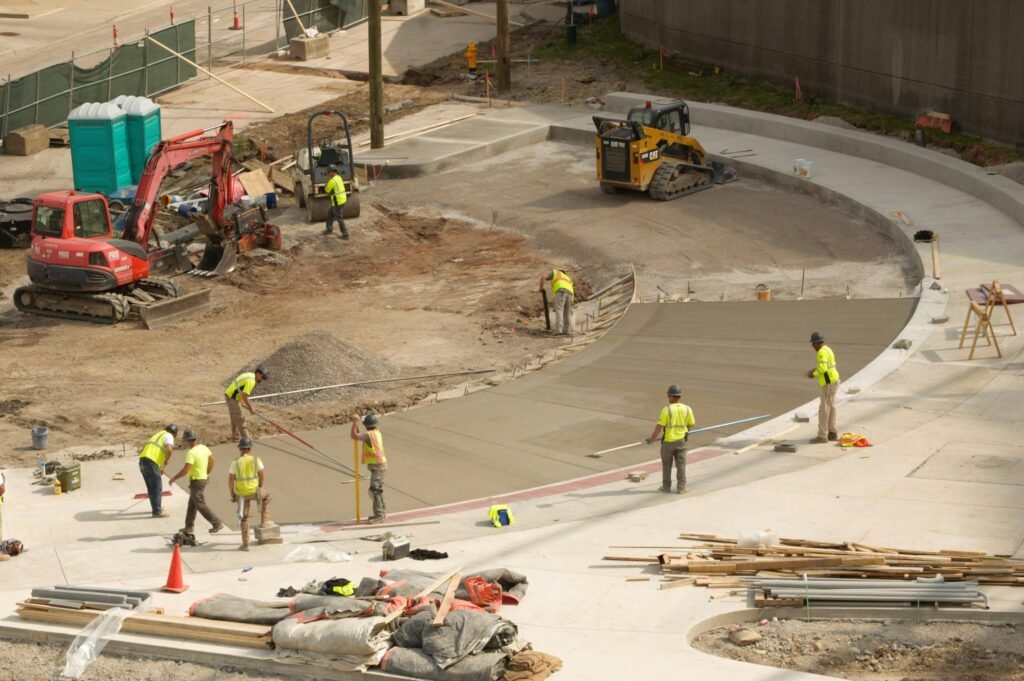
Key advantages of composite toe boots:
- Much lighter than steel toes
- More comfortable for long shifts
- Non-metallic for security checkpoints
- Better insulation in hot and cold environments
- Reduced fatigue throughout the day
Comfort Has Become a Safety Feature
Older work boots focused almost entirely on durability and impact protection. Modern boot manufacturers now understand that comfort directly affects safety.
Fatigued workers are more likely to trip, lose balance, or make mistakes.
That’s why today’s advanced safety boots include features like:
- Shock-absorbing midsoles
- Slip-resistant outsoles
- Waterproof membranes
- Breathable materials
- Ergonomic support systems
- Wide toe box designs for natural movement
The result is a new generation of modern work boots that workers can comfortably wear all day without the heavy, restrictive feeling older boots were known for.
Are These the Best Safety Boots?
The answer depends on the type of work being performed, but modern boots featuring Kevlar puncture-resistant soles and composite toe protection are quickly becoming the preferred choice for many construction workers, warehouse employees, electricians, roofers, and industrial professionals.
The combination of:
- Lightweight materials
- Advanced protection
- Improved comfort
- Better mobility
- Reduced fatigue
has transformed what workers expect from safety footwear.
If you’re searching for the Best safety boots, it’s worth looking at newer technologies rather than relying solely on traditional steel toe designs from the past.
Modern job sites demand modern protection — and modern work boots are finally evolving to match.