Common Mistakes When Installing Vinyl Plank Flooring (2026 Guide)
Vinyl plank flooring is a popular choice for homeowners in 2026 due to its affordability, durability, and ease of installation. While it offers a cost-effective solution compared to hardwood or tile, the price of vinyl plank flooring can vary widely based on the material, quality, and installation method. Avoiding common installation mistakes is crucial for ensuring that you get the most out of your investment. This guide will cover the most frequent mistakes people make when installing vinyl plank flooring and how to prevent them to achieve the best results.
Pre-Installation Mistakes
Proper preparation is essential before installation, as skipping certain steps can lead to costly mistakes down the line.
Before you start, ensure your subfloor is in optimal condition. Skipping this step may lead to costly repairs down the road. If your subfloor is uneven or damaged, you might need to spend additional money to fix it, adding to the cost to install vinyl plank flooring. For example, repairs to a concrete subfloor or leveling an old wood subfloor can increase your overall project budget significantly.
Installing over an uneven or damaged subfloor may lead to early floor issues such as gaps, buckling, or peeling. In some cases, this can also cause the need for a replacement, which could raise your costs unexpectedly. To avoid additional expenses, it’s important to make sure your subfloor is level before installing vinyl plank flooring.
Moisture damage can be one of the most expensive issues to deal with after installation. For example, installing vinyl plank flooring on a damp subfloor, particularly concrete, could cause the planks to warp or discolor, leading to costly repairs. Always factor in the cost of moisture testing, which might add a small fee to your overall installation costs, but could save you in the long run.
If you neglect to acclimate your planks, you may end up needing to replace warped or damaged planks, which will add to your overall costs. Acclimating vinyl planks for 24-48 hours ensures they expand or contract properly, minimizing the risk of damage that could cost you money.
The price of vinyl plank flooring can vary greatly depending on the type of plank you choose. For example, SPC (Stone Plastic Composite) is more durable and water-resistant, but can be more expensive than WPC (Wood Plastic Composite). Choosing the wrong type for your space might result in unnecessary costs for additional repairs. Always consider the material’s performance relative to your space to avoid overspending on flooring that may not be suitable for your needs.
Mistakes with Surface Preparation
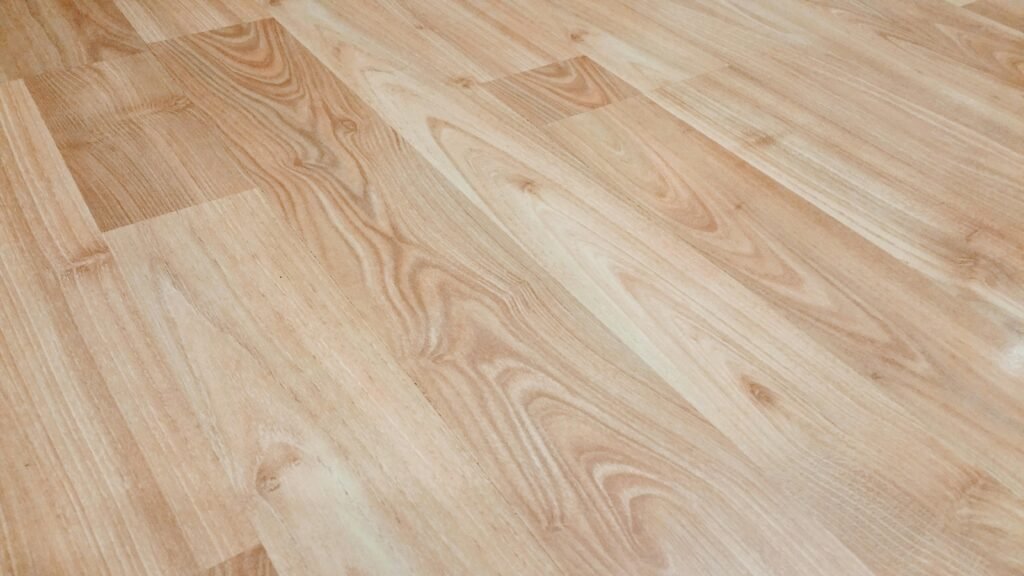
Effective surface preparation helps prevent long-term issues that could raise your costs and prolong your project.
Cleaning the surface properly is crucial for ensuring the longevity of your floor. Failing to do so can lead to uneven flooring or damaged adhesive, leading to costly repairs. If your vinyl plank flooring was installed improperly due to dirt or debris, it might cost more to fix than it would have to take the extra time to clean.
While installing vinyl planks over old flooring can be a cost-effective choice, it’s important to ensure the existing floor is in good condition. If the old floor is damaged, you might need to remove it, which could add to the cost to install vinyl plank flooring. Consider factoring in this extra cost before moving forward with the project.
While it might seem like an insignificant step, neglecting to remove baseboards or trim before installation can lead to complications later. This mistake could result in uneven flooring or gaps that need to be fixed, costing you extra money. Always plan for this extra step in your installation cost.
Layout & Planning Errors
Proper layout and planning are key to achieving an efficient installation with minimal waste and maximum aesthetic appeal.
The first row is the most important part of your vinyl plank flooring layout. If you don’t align it properly, the rest of the floor will be off, leading to time-consuming adjustments. Poor planning of the layout could lead to excess waste, requiring more planks and increasing the cost to install vinyl plank flooring.
Choosing the wrong plank direction can affect the room’s overall aesthetic and could even require additional planks if it leads to an inefficient layout. For instance, if you’re laying vinyl wood plank flooring in a long room, running the planks parallel to the longest wall can make the space look bigger. Making the wrong choice here could lead to excess costs.
Proper plank staggering is essential for both visual appeal and structural integrity. If the planks are not staggered properly, you may need to purchase more planks to replace poorly installed ones, raising the overall installation cost.
Installation Technique Mistakes
Understanding the correct techniques is crucial for a smooth and long-lasting vinyl plank floor installation.
If you’re using click-lock vinyl plank flooring, forcing planks together can break the locking mechanism, leading to costly repairs or replacements. Always use the proper technique to lock planks together, ensuring that your flooring stays intact without the need for costly fixes.
One of the most overlooked aspects of vinyl plank installation is leaving enough space around walls for expansion. Neglecting this can lead to buckling and misalignment, potentially damaging the floor and increasing the cost of repairs. Adding a gap is a small step that can prevent expensive repairs in the future.
Using improper tools can lead to mistakes, such as damaged planks or an uneven installation. For example, using a hammer instead of a tapping block can chip the edges of vinyl plank flooring. These mistakes can add up, costing more money in the long run. Always use the right tools for the job to avoid costly damage.
Expansion & Environmental Issues

It’s essential to consider environmental factors to ensure your vinyl plank flooring performs optimally without costly long-term damage.
Extreme temperatures or high humidity can cause vinyl planks to warp or shift after installation. If you install vinyl plank flooring without considering environmental conditions, you may have to replace damaged planks, which will increase your cost to install vinyl plank flooring. Always check that the room’s temperature is within the recommended range before installation.
Heavy furniture or cabinets can restrict the natural expansion of your vinyl planks, which could cause the planks to buckle or shift. If you block the expansion space, you may need to replace the damaged flooring, which adds unexpected costs to your project.
Hidden Costs of Fixing Vinyl Plank Flooring Mistakes
If you make a mistake during vinyl plank installation, it’s important to fix it quickly to avoid further costs. Here’s what to do and its cost impact:
-
Misaligned or Damaged Planks: Remove and replace any misaligned or damaged planks, which can cost $2 to $7 per square foot.
-
Subfloor Issues: Repair any uneven or damaged subfloor, which can add $100 to $500 for sanding or leveling.
-
Moisture Damage: Replace warped planks and install a moisture barrier, which could add $100 to $300 to the total cost.
-
Not Leaving Expansion Gaps: Lift the planks, create the gap, and reinstall them, costing $150 to $500, depending on the room size.
-
Using Incorrect Tools: Replace damaged planks, which can add $2 to $7 per square foot, plus the cost of the right tools.
-
Hiring a Professional: If needed, hiring a pro can add $3 to $5 per square foot for labor.
Final Thoughts – Avoiding Costly Mistakes
Vinyl plank flooring offers a cost-effective way to update your home, but common installation mistakes can lead to unexpected expenses. Proper preparation, accurate measurements, and using the right techniques are essential to avoid issues like misaligned planks, improper expansion gaps, or damaged subfloors. These mistakes can result in costly repairs or the need to hire professionals to fix the errors.
In 2026, vinyl plank flooring remains a popular choice, and by following manufacturer instructions and accounting for environmental factors, you can ensure a smooth installation. Taking the time to avoid mistakes upfront will help extend the lifespan of your floor and save you money on unnecessary repairs, leaving you with a beautiful, durable floor that lasts for years.
Stay updated with the latest in construction trends, visit ConstructionToday.co.uk.