
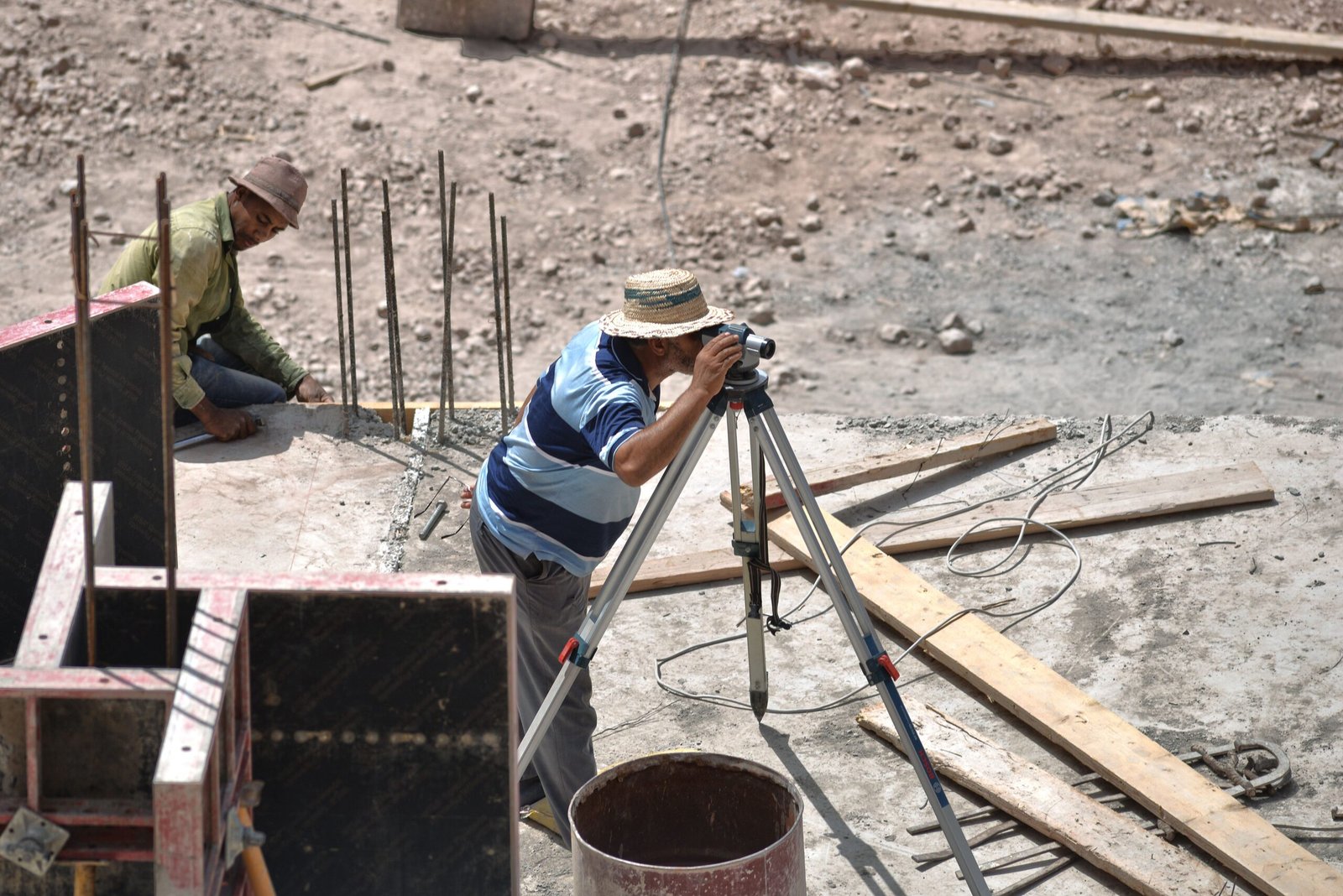
Dilapidation Survey: What Commercial Property Owners and Tenants Need to Know
The end of a commercial lease can create significant financial and practical issues for both landlords and tenants.
One of the most common is dilapidations.
Dilapidations relate to breaches of a tenant’s lease obligations concerning the repair, condition, decoration and reinstatement of a commercial property. Depending on the condition of the premises and the wording of the lease, these liabilities can range from relatively minor remedial works to substantial financial claims.
For both parties, understanding potential liabilities before a lease expires can make the process considerably easier.
What is a dilapidation survey?
A dilapidation survey is an inspection of a commercial property carried out to identify potential breaches of the repairing and reinstatement obligations contained within a lease.
The survey is usually undertaken by a commercial building surveyor who considers both the physical condition of the property and the relevant lease terms.
For landlords, the findings can be used to prepare a schedule of dilapidations setting out the works they believe the tenant is responsible for.
For tenants, arranging a dilapidation survey before lease expiry can help identify potential liabilities while there is still time to carry out remedial work or prepare for negotiations.
This early assessment can be particularly valuable where a tenant has occupied a property for a long period or made alterations during the tenancy.
What does a dilapidation survey cover?
The scope will vary depending on the property and lease, but a survey may assess:
- Internal and external repairs
- Decorative condition
- Floors, walls and ceilings
- Roof coverings and external fabric
- Windows and doors
- Mechanical and electrical installations
- Damage or deterioration
- Tenant alterations
- Reinstatement requirements
- Removal of tenant-installed fixtures
- Maintenance obligations
The surveyor will normally assess whether the existing condition of the property represents a breach of the tenant’s contractual obligations.
This distinction is important.
A building may be in poor condition without every defect automatically becoming the tenant’s responsibility.
Why the lease matters
Dilapidations are not simply a question of identifying defects.
The wording of the lease determines what the tenant is required to repair, maintain, decorate or reinstate.
For example, some leases require tenants to keep a property in good repair, while others may limit obligations by reference to a schedule of condition prepared at the start of the tenancy.
The surveyor therefore needs to consider the physical condition of the property alongside the relevant lease clauses.
This is one of the reasons specialist commercial surveying advice is often required.
When should a dilapidation survey be carried out?
Many businesses only begin thinking about dilapidations when they receive a formal schedule from their landlord.
By then, the tenant may have limited time to respond.
Commissioning a survey several months before lease expiry can provide considerably more flexibility.
It allows the tenant to understand potential liabilities and decide whether it is more economical to complete repair or reinstatement works before leaving the property.
Landlords can also benefit from inspecting the property before the lease ends.
Doing so allows them to identify likely breaches, estimate remedial costs and plan for the next occupation of the building.
What is a schedule of dilapidations?
A schedule of dilapidations is a document typically prepared on behalf of a landlord setting out alleged breaches of a tenant’s lease obligations.
It usually includes:
- The relevant lease clause
- The alleged breach
- The remedial work required
- An estimated cost
A schedule may be served during the lease term or towards lease expiry.
Once received, the tenant will often instruct their own surveyor to review the claim and respond.
The tenant’s surveyor may agree with some elements of the schedule while challenging others.
Common dilapidation issues
Certain issues arise frequently at the end of commercial leases.
Repairs
A tenant may be responsible for repairs to internal finishes, external elements or building services depending on the terms of the lease.
Poor maintenance during the tenancy can increase potential liabilities.
Redecoration
Many leases contain specific obligations requiring the tenant to redecorate the property at intervals or shortly before the lease ends.
Reinstatement
Tenants often make alterations to commercial premises, including partitions, lighting, signage, flooring or specialist installations.
The lease may require these alterations to be removed and the property returned to its previous condition.
Cleaning and clearance
A tenant may also be required to remove belongings, waste, equipment and other items before leaving.
Why tenants should assess liabilities early
Early assessment gives tenants more control over the process.
If works are required, the tenant may be able to appoint their own contractors and complete them before lease expiry.
This can sometimes be more cost-effective than leaving the landlord to undertake the work and subsequently claim the cost.
It also gives businesses time to budget for potential liabilities rather than facing an unexpected claim after vacating the property.
For larger commercial premises, where repair and reinstatement works can be extensive, this can be particularly important.
The importance of a schedule of condition
A schedule of condition records the state of a property at the start of a lease.
It typically contains photographs and written descriptions documenting existing defects and general condition.
Where it is properly incorporated into the lease, it can significantly affect future dilapidation liabilities.
For example, a lease may state that the tenant is not required to return the property in any better condition than that recorded in the original schedule.
Without this evidence, it can be much harder to establish whether a particular defect existed before the tenant moved in.
Landlords should prepare early too
Dilapidations are not solely a tenant concern.
Landlords can benefit from understanding the condition of their property before the lease ends.
An early inspection may identify significant repairs, reinstatement work or maintenance issues that could affect reletting.
It may also highlight areas where the tenant has failed to comply with their obligations.
This allows the landlord to plan ahead rather than discovering problems only once the premises have been vacated.
Can a dilapidation claim be negotiated?
Yes.
Many dilapidation claims are negotiated between building surveyors acting for the landlord and tenant.
The tenant’s representative may challenge whether certain items constitute valid breaches, whether the proposed remedial works are necessary or whether the estimated costs are reasonable.
The landlord’s representative will seek to ensure that legitimate breaches and associated losses are properly addressed.
Where both sides receive professional advice early, it is often possible to narrow the areas of disagreement before they develop into a more serious dispute.
How much can dilapidations cost?
There is no fixed figure.
Costs depend heavily on the size, age and condition of the property, along with the obligations contained within the lease.
Potential liabilities may include:
- General building repairs
- Redecoration
- Replacement flooring
- Roofing work
- Building services repairs
- Removal of partitions
- Reinstatement of layouts
- Removal of signage
- Professional fees
For larger industrial, office or retail properties, these costs can become substantial.
This is why dilapidations should ideally be considered as part of lease-exit planning rather than as an issue to address after the tenant has already moved out.
Choosing a dilapidation surveyor
Dilapidations sit at the intersection of property condition, construction, lease obligations and negotiation.
Businesses should therefore look for a building surveyor with experience in commercial property and lease-end dilapidations.
A specialist surveyor can inspect the premises, review the lease, identify potential breaches and advise on the most appropriate next steps.
For tenants, this may involve carrying out repairs before leaving or responding to a landlord’s claim.
For landlords, it may involve preparing a schedule and assessing the likely cost of remedial works.
Final thoughts
Dilapidations can represent a significant cost at the end of a commercial lease, but they do not need to come as a surprise.
The earlier landlords and tenants assess the condition of the property and understand the obligations contained within the lease, the more options they have.
For tenants in particular, commissioning a survey before lease expiry can provide valuable time to carry out repairs, assess potential liabilities and prepare for negotiations.
For landlords, it provides a clearer picture of the property’s condition and any work that may be required before reletting.
In both cases, early preparation can make the lease-end process considerably more straightforward.