How Timber Door Frame Styles Define the Character of Your Home
Every architectural decision in a home carries weight, but few elements are as quietly influential as the door frame. It is the border between spaces, the first thing a visitor registers when entering a room, and the structural detail that either elevates or undermines the overall design. Timber, as a material, brings warmth, depth, and a sense of permanence that synthetic alternatives rarely replicate. Whether you are renovating a Victorian terrace, finishing a contemporary new build, or restoring a period farmhouse, understanding how door frames contribute to the visual and structural integrity of a space is essential before making any final decisions.
The Architectural Role of a Door Frame
A door frame is not merely decorative. It serves as the load-bearing surround that supports the door itself, distributes weight from the structure above, and provides the anchoring point for hinges, latches, and seals. In timber construction, the frame also plays a role in moisture management, thermal performance, and acoustic separation between rooms. When chosen thoughtfully, a timber door frame becomes a design statement that reinforces the architectural language of the entire property.
The profile of a frame — its thickness, moulding detail, and finish — communicates a great deal about the era and intent of a building. A simple, square-edged frame reads as modern and restrained. A deeply moulded ogee or ovolo profile signals classical craftsmanship. Matching the frame style to the broader interior scheme is not pedantry; it is the difference between a cohesive space and one that feels assembled from mismatched parts.
Exploring the Range of Timber Door Frame Styles
Exploring the full range of timber door frame styles reveals just how much variety exists within this single architectural element. From the clean lines of a contemporary rebated frame to the ornate detailing of a Georgian architrave, the options span centuries of design tradition. Softwood frames such as pine are popular for interior applications where painting is intended, while hardwoods like oak, sapele, and accoya offer superior durability and a natural grain that suits both stained and oiled finishes. The choice of timber species, combined with the moulding profile and installation method, ultimately determines how the frame interacts with light, shadow, and the surrounding wall surface.
Traditional Profiles and Their Origins
Traditional timber door frames draw heavily from classical architecture. The ovolo profile, characterised by its convex quarter-round curve, was widely used in Georgian and Edwardian properties and remains a popular choice for period restorations. The ogee profile, with its S-shaped curve, adds a more elaborate visual rhythm and is often found in Victorian interiors. Bolection mouldings, which project beyond the face of the surrounding wall, create a bold three-dimensional effect that suits formal reception rooms and entrance halls. Understanding these profiles helps homeowners and designers make historically informed decisions that respect the original character of a building.
Contemporary and Minimalist Approaches
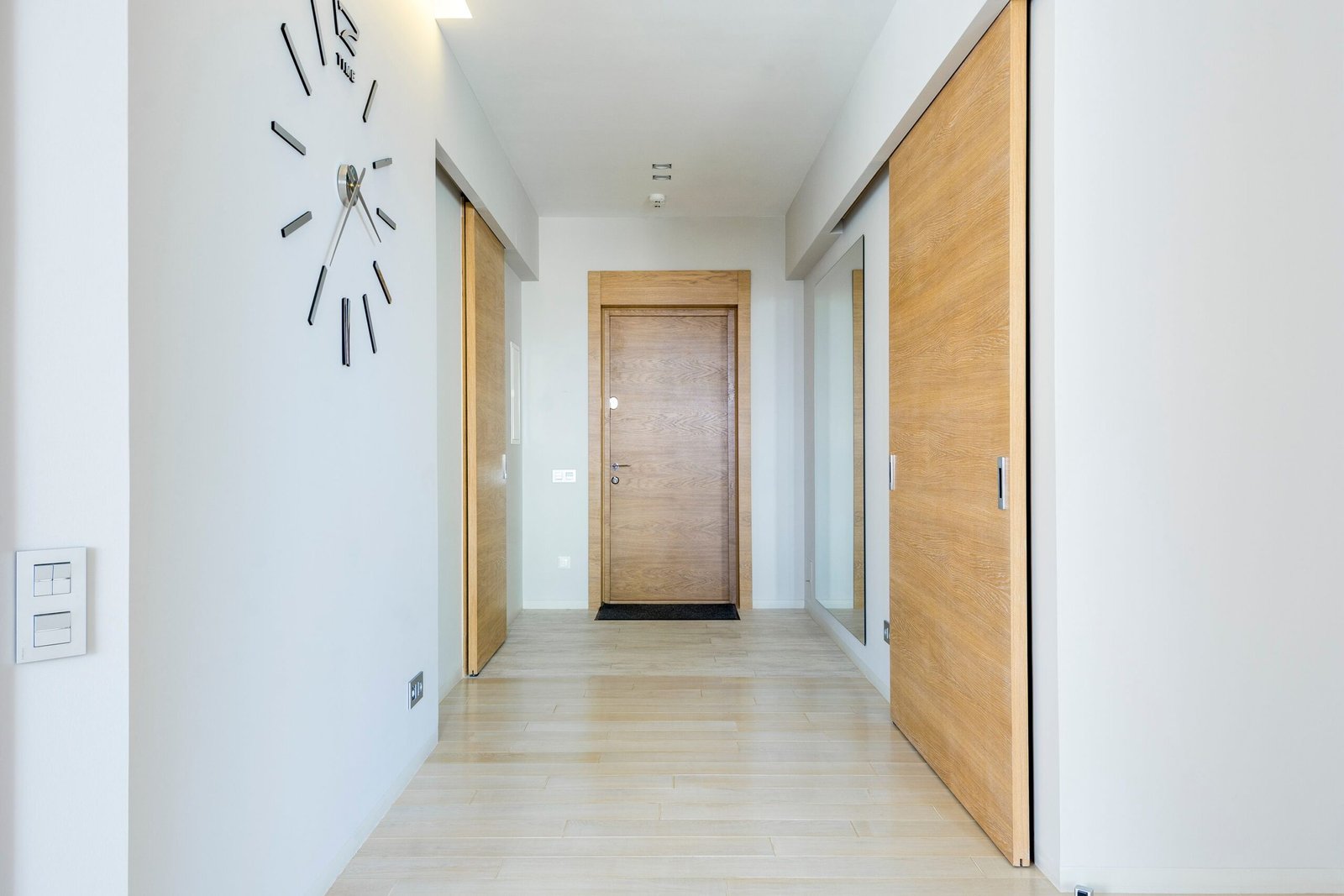
Modern interiors have moved toward simplicity, and door frame design has followed. Shadow gap frames, which create a recessed reveal between the frame and the wall, eliminate the traditional architrave entirely and produce a seamless, gallery-like finish. Flush frames, where the timber sits level with the plasterwork, are another contemporary option that suits open-plan spaces and industrial-influenced interiors. These approaches demand precision in installation but reward the effort with a clean, uninterrupted visual flow that feels distinctly current.
Timber as a Sustainable and Enduring Material Choice
Beyond aesthetics, timber continues to gain recognition as one of the most environmentally responsible building materials available. Its carbon sequestration properties, renewability, and relatively low embodied energy make it a compelling choice for homeowners and developers who are thinking carefully about the environmental footprint of their projects. As research into how timber extensions can make concrete buildings more sustainable continues to grow, the case for incorporating timber into both structural and decorative elements becomes increasingly well-supported. Door frames, though modest in scale, are part of a broader commitment to using materials that perform well over time and age gracefully rather than degrading.
Responsibly sourced timber, certified by bodies such as the FSC or PEFC, ensures that the wood used in door frames comes from forests managed with ecological integrity. Specifying certified timber is now considered standard practice among architects and interior designers who take sustainability seriously, and it is a straightforward way for homeowners to align their renovation choices with broader environmental values.
Coordinating Door Frames with Other Timber Elements
A door frame rarely exists in isolation. It sits alongside skirting boards, window architraves, stair balustrades, and flooring — all of which may also be timber. Achieving visual harmony across these elements requires attention to both species and finish. Mixing oak door frames with pine skirting, for example, can work if both are painted, but creates a jarring contrast when left natural. Similarly, the profile of the door frame should ideally echo or complement the profiles used elsewhere in the room to create a sense of intentional design rather than accidental assembly.
When selecting furniture for adjoining spaces, the same principle applies. Choosing between stone and wood for a coffee table in a living room, for instance, involves many of the same considerations as selecting a door frame — material warmth, grain character, finish, and how the piece interacts with the light and other surfaces in the room. Consistency in material thinking across all these decisions is what separates a well-designed interior from one that simply looks expensive.
About Tarriver Timber
Tarriver Timber is a specialist supplier of high-quality timber products for residential and commercial projects across the UK. With a focus on craftsmanship, sustainability, and design integrity, the company offers an extensive range of timber door frames, architraves, and mouldings suited to both traditional and contemporary applications. Their team brings deep product knowledge and a genuine understanding of how timber performs in real-world conditions, making them a trusted resource for architects, builders, and homeowners alike. Whether you are specifying for a single room or an entire development, Tarriver provides the expertise and product range to ensure the result meets both aesthetic and structural expectations.
Conclusion
Timber door frames occupy a small but significant place in the hierarchy of interior design decisions. They frame the way we move through a building, define the visual rhythm of a room, and communicate something about the values and intentions of the people who designed the space. Whether you favour the ornate detailing of a period profile or the disciplined restraint of a shadow gap reveal, the choice of timber and frame style deserves the same careful consideration given to any other architectural element. Getting it right is not complicated — it simply requires knowing what is available, understanding how different styles perform in different contexts, and working with suppliers who take the craft seriously.