Keeping Industrial Brand Activations Moving Without Operational Friction
Industrial companies understand one thing better than most: movement has a cost when it is not planned well. A machine moved at the wrong time can slow production. A field unit built without proper workflow can frustrate staff. A mobile brand experience that looks impressive but fails under daily use can turn a strong idea into a logistical headache. Whether the project involves machinery, vehicles, trailers, displays, or public-facing environments, the real measure of success is not only how it looks. It is how smoothly it performs when people, equipment, schedules, and expectations are all in motion.
This is why custom fabrication has become so important for industrial brand activations that operate beyond fixed walls. Businesses in manufacturing, healthcare, transportation, public safety, events, and technical services often need mobile assets that carry both function and identity. A trailer may need to support demonstrations. A vehicle may need to operate as a service point. A branded installation may need to move between venues while still feeling consistent, safe, and professional. These assets become working environments, not decorative shells.
Movement as a Design Challenge
When something industrial moves, planning must happen before the first mile. The same logic applies whether a company is relocating production equipment or launching a traveling brand experience. Weight, timing, access, safety, storage, setup, and continuity all matter. If these details are ignored, the result can be downtime, confusion, delays, or damaged credibility.
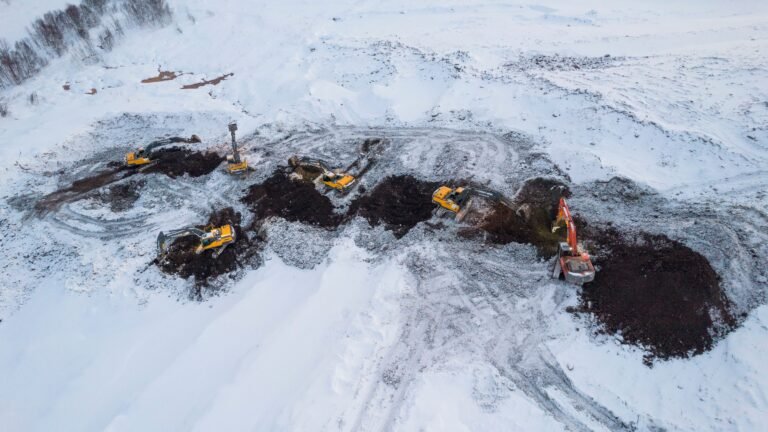
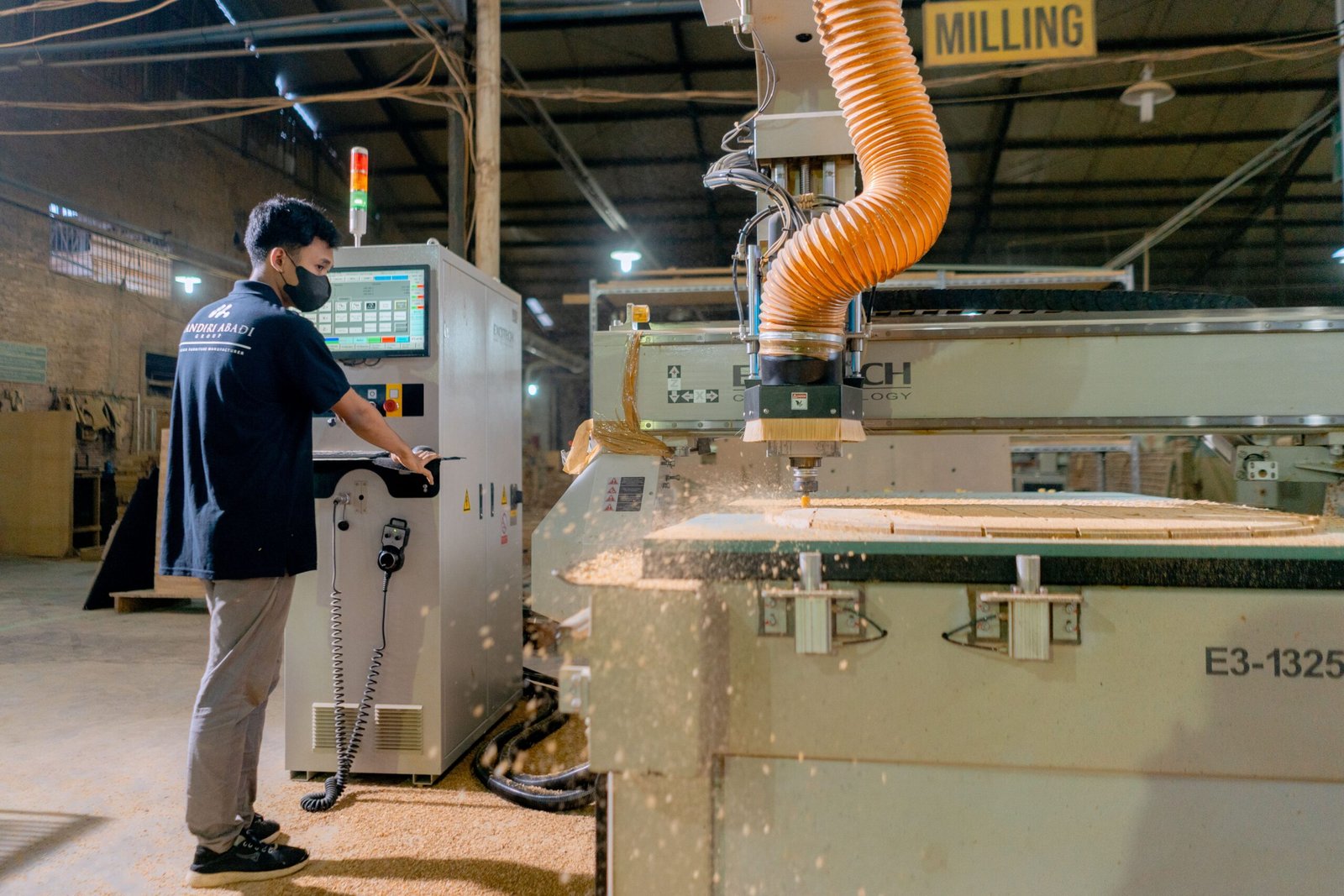
Industrial facilities often approach movement with detailed coordination because production cannot pause casually. Articles about moving heavy machinery without production delays show how timing, preparation, and careful execution can protect operations during complex transitions. That same discipline belongs in mobile fabrication projects. A branded trailer, showroom, clinic, or command unit should be designed so movement supports the mission rather than interrupting it.
Why Mobile Assets Need Industrial Thinking
A mobile brand asset is exposed to constant change. It may travel between cities, operate in different weather conditions, support staff under tight schedules, and serve audiences with different expectations. A stationary display can rely on a controlled environment. A mobile unit has to keep its structure, systems, finishes, and usability intact while repeatedly opening, closing, loading, unloading, and operating.
This makes fabrication decisions central to the final experience. Flooring, framing, access points, storage systems, counters, signage, fixtures, lighting, and exterior graphics all need to support real use. If the build is weak, the brand feels weak. If the build is organized, durable, and easy to operate, the brand feels prepared before a single conversation begins.
Building Mobile Assets That Work Under Pressure
When a company needs a custom vehicle, branded trailer, mobile showroom, fleet solution, or specialized unit that must perform in changing locations, the build has to balance visibility with operational control. This is where Craftsmen Industries fits naturally into the conversation, because mobile brand environments depend on fabrication that can support transport, workflow, safety, presentation, and repeated field use without treating movement as an afterthought.
The Connection Between Experience and Utility
Experiential marketing is often discussed through creativity, emotion, and audience engagement. Those elements matter, but they become stronger when supported by useful physical design. People remember experiences that feel easy to enter, clear to understand, and worthwhile to spend time with. In business settings, that may mean a demonstration area that lets customers see a product in action. In public service settings, it may mean a mobile unit that helps visitors find support quickly. In retail-inspired environments, it may mean an interactive space that makes a brand feel helpful rather than distant.
The value of real-world interaction became especially visible when companies looked for new ways to serve customers in changing conditions, including examples of experiential retail during changing consumer routines. The lesson extends beyond retail. When people need practical, memorable, and human-centered engagement, the physical environment must do more than display a logo. It must make the interaction work.
Designing for the People Inside and Outside the Unit
A strong mobile environment serves two audiences at once. First, it serves the visitors, customers, patients, partners, or event attendees who approach it. They need clear entry points, simple navigation, visible messaging, and a space that feels trustworthy. Second, it serves the staff who use it all day. They need storage, safe movement, easy access to equipment, reliable surfaces, and a layout that does not fight their workflow.
When both groups are considered, the asset feels calm and capable. The public sees a polished brand experience. The staff experience less friction behind the scenes. This is where fabrication becomes more than construction. It becomes choreography for people, equipment, and purpose.
From Heavy-Duty Planning to Public-Facing Confidence
Industrial planning and brand presentation may seem like separate worlds, but they often depend on the same habits. Both require clarity, preparation, sequencing, and attention to detail. An industrial facility moving equipment must protect uptime. A brand moving into public spaces must protect consistency. In both cases, the right structure reduces risk.
For mobile assets, this means the design should anticipate what happens after the first launch. How quickly can the unit be set up? Can equipment be secured during transport? Will staff understand the flow without improvising? Can surfaces be cleaned easily? Will graphics stay presentable? Can the unit adapt to different sites? These questions determine whether the asset becomes a long-term tool or a short-lived spectacle.
Durability Supports Brand Memory
A brand that shows up repeatedly with a strong, well-maintained physical presence builds recognition. The asset becomes familiar. Its shape, colors, layout, and function begin to represent the company in the minds of customers and partners. But that memory only helps if the asset holds its quality over time. A worn, unstable, or confusing mobile unit sends the wrong message no matter how strong the original concept was.
Durability therefore becomes part of communication. Strong fabrication tells people that the company values preparation. Clean finishes suggest discipline. Practical layouts show respect for time. Reliable operation shows seriousness. These signals may be quiet, but they are powerful in industries where trust is built through performance.
Brand Section: Craftsmen Industries
Craftsmen Industries is associated with custom fabrication, branded vehicles, trailers, mobile marketing units, fleet graphics, and specialized builds for organizations that need physical assets designed around both visibility and function. Its work is relevant to companies that want to move their brand into events, communities, job sites, healthcare settings, public service environments, and field operations.
The brand’s relevance comes from the growing need for assets that do more than look branded. A mobile unit may need to operate as a showroom, workspace, service station, demonstration platform, or traveling command environment. A fleet program may need to create recognition across multiple vehicles while supporting daily use. A custom trailer may need to carry equipment and still welcome visitors with a professional experience. These demands require fabrication that understands both the industrial and human sides of the build.
Why Early Coordination Prevents Field Problems
The best mobile projects begin with early coordination between brand teams, operators, designers, fabricators, and technical stakeholders. Each group sees a different part of the challenge. Brand teams focus on message and visual identity. Operators understand daily workflow. Fabricators understand materials, structure, weight, and production feasibility. When those perspectives come together early, the final asset is more likely to work cleanly in the field.
Early planning also prevents small problems from becoming expensive ones. A misplaced service window, weak storage area, awkward entrance, or poorly planned display surface can affect every event after launch. Solving these issues during planning is far easier than rebuilding around them later. In mobile fabrication, good questions at the beginning often save time, money, and reputation at the end.
The Best Builds Make Complexity Feel Simple
A successful mobile asset may involve complex fabrication, electrical planning, branding, safety considerations, transport needs, and interior layout decisions. Yet the final experience should feel simple to the people using it. Visitors should understand where to go. Staff should know where everything belongs. The brand message should feel natural. The unit should operate without drawing attention to the work hidden behind the walls and panels.
That simplicity is not accidental. It is the result of careful design and disciplined fabrication. The hidden structure supports the visible experience, much like a well-run operation supports a public promise. When the two are aligned, the asset becomes more than mobile equipment. It becomes a reliable expression of the brand.
Conclusion
Industrial movement and mobile brand experiences share a common truth: success depends on planning before motion begins. Whether a company is protecting production schedules or taking its brand into the field, the physical system must support the purpose. Strong fabrication helps create assets that move well, work well, and represent the brand with consistency.
As more organizations use vehicles, trailers, displays, and mobile units to reach audiences directly, the line between operations and marketing will continue to narrow. The best assets will not simply attract attention. They will function with discipline, carry the brand clearly, and keep performing wherever the next location demands.