
Make Your Home Net Zero, Save Energy and Live Smarter
A net zero home is a building designed to produce as much energy as it consumes over the course of a year, achieving a zero net energy balance. This involves an integrated design approach focused on energy efficiency, renewable energy, and sustainable materials from the start. This is not a simple “add solar panels and call it done” approach. They maintain comfort and style without compromise.
Unlike traditional homes that often depend on fossil fuels and inefficient systems, net zero homes are designed to lower energy demand and fulfill those needs with clean, renewable energy sources like solar and wind power. This represents a shift from simply living in a home to living in a smarter, cleaner, and more responsible way.
Globally, buildings are major energy consumers. In fact, the International Energy Agency (IEA) reports that the sector accounts for nearly 40% of energy-related carbon emissions. By transitioning to net zero homes, we can reduce environmental harm while enhancing comfort, indoor air quality, and long-term savings.
So, what does it take to create a net zero home? Achieving a net zero home requires attention to several critical components, including:
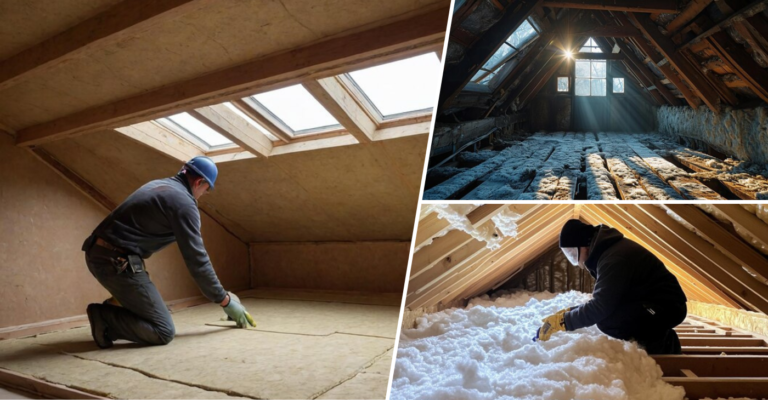
- High-performance insulation and windows to reduce energy loss
- Energy-efficient appliances and lighting
- Smart home systems to optimize energy use
- Renewable energy systems such as solar panels
- Passive design strategies to capture natural light and airflow
- Sustainable building materials and low-carbon construction techniques
- Careful planning around energy use, water conservation, and material choices
Beyond the technical elements, sustainable homes also offer lifestyle benefits. Many homeowners find them not only more energy-efficient but also quieter, healthier, and less expensive to maintain. As energy prices continue to rise and climate concerns grow, building or upgrading to a net zero home is becoming a necessity, not just a luxury.
In short, net zero homes are not just a passing trend—they represent the future of residential living. The integration of energy-efficient technologies with environmentally conscious practices is a powerful synergy. creating a long-term solution that benefits individuals, communities, and the environment.
In the next section, we’ll explore the key components involved in creating a net zero home—from optimizing insulation and eliminating thermal bridges to incorporating renewable energy systems and passive design principles.
The Building Envelope – Key Strategies for Maximum Efficiency
The building envelope is crucial for a home’s energy efficiency, acting as the barrier between the interior and exterior. Optimizing it can reduce energy use, prevent heat loss, and maintain comfort. Here are key strategies to improve its efficiency:
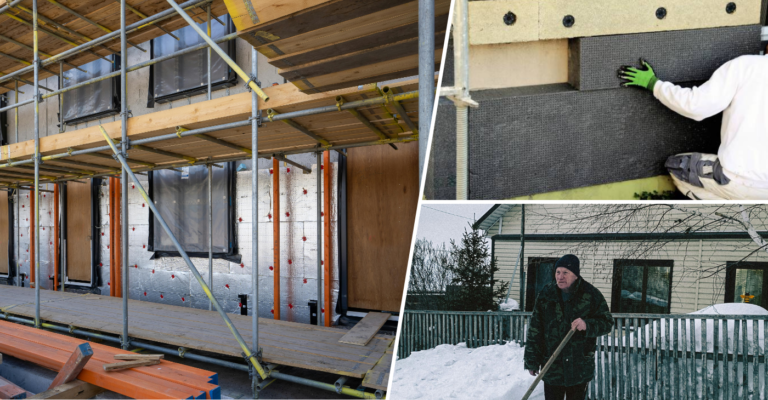
Continuous exterior insulation: This avoids any gaps or cold spots within the building’s walls, warm roof, and floors. For high performance, materials such as insulated concrete forms (ICFs) or spray foam insulation are used to cover the entire envelope without interruption.
Thermal bridge-free detailing: In typical homes, heat escapes through areas like framing members and joints. Careful detailing ensures no thermal bridges, significantly reducing energy loss and improving insulation performance.
Vapor-permeable membranes: These membranes allow walls to breathe, preventing moisture buildup and enhancing long-term durability. A well-managed moisture control system contributes to healthy indoor air quality and prevents mold growth.
Advanced air-sealing techniques: Applied during construction, methods like aero-barriers are a modern solution to improve air-tightness, drastically reducing air leaks that would otherwise cause energy loss.
Mechanical Systems for the Eco-Conscious Homeowner
Once your building envelope is optimized, the next step is upgrading your mechanical systems. These systems must work seamlessly with the thermal envelope to ensure comfort without wasting energy. While your original explanation is strong, adding real-world performance comparisons helps readers understand the practical benefits and what these systems actually replace. People want to know: Why does this matter? How does it perform? Is it better than what I’m using now?
Mini-Split Heat Pumps
Mini-splits offer incredibly efficient heating and cooling. Unlike traditional systems that may operate at 60–75% efficiency, mini-splits can reach 300–400% efficiency, delivering up to four units of heating or cooling per unit of electricity. Homeowners can cut HVAC energy use by up to 50%, with an added 20–30% savings from zoning rooms individually. They also function well in diverse climates, making them suitable for both hot and cold regions.
Variable Refrigerant Flow (VRF)
Ideal for larger or more complex homes, VRF systems allow precise temperature control across multiple zones with just one outdoor unit. Compared to conventional HVAC systems, VRFs can reduce energy consumption by 30–40% while maintaining exceptional comfort. They offer both flexibility and scalability, supporting multiple indoor unit types.
Mechanical Ventilation with Heat Recovery (MVHR)
Airtight homes need proper ventilation. MVHR systems bring in fresh air and recover up to 90% of the heat from outgoing air. They can cut heating needs by 25–50% — especially important during winter — while ensuring better indoor air quality. Some models also include moisture and contaminant control to further improve living conditions.
Radiant Floor Heating (with Solar Thermal)
Radiant systems heat people and surfaces directly, not just the air. Paired with solar thermal collectors, they offer a sustainable way to keep spaces warm. Homes using radiant heating can reduce energy use by 20–30%, and often feel warmer at lower temperatures. They also minimize airborne allergens compared to forced-air systems.
Dedicated Outdoor Air Systems (DOAS)
DOAS treats ventilation air separately from heating and cooling, improving system efficiency and comfort. Compared to traditional systems, DOAS can improve HVAC efficiency by 20–35% and offer better humidity control. This separation leads to more stable indoor environments and reduced maintenance.
Passive Design – Built-In Energy Savings
Beyond tech, passive design strategies offer long-term energy savings by using the natural environment to your advantage.
Passive Solar Orientation
Positioning your home to capture winter sun and avoid summer overheating can lower heating needs by up to 40%. A properly oriented home stays comfortable with less reliance on mechanical systems. In colder climates, this design can reduce dependence on artificial heating almost entirely.
Strategic Window-to-Wall Ratio & Low-E Glass
Windows are a major source of heat loss — but smart placement and Low-E glass can minimize this. Advanced secondary glazing can cut window-related heat loss by 50–70%. Triple glazing is often used in colder zones for even greater thermal efficiency.
Overhangs & Solar Shading
Simple features like overhangs reduce solar gain in summer while welcoming warmth in winter. They can lower cooling demand by 10–25% without blocking natural light. Adjustable external shading systems can further enhance performance during seasonal changes.
Renewable Energy & Storage – Completing the Net Zero Picture
No net zero home is complete without a way to generate and store its own power.
Solar PV Panels
Modern solar panels can offset 70–100% of a home’s energy use. A typical 5kW system can save $800–$1,500 per year through self-generation and net metering. With improved panel efficiency and falling costs, ROI has become more attractive than ever.
Solar Thermal Collectors
These systems use the sun to heat water, reducing reliance on electricity or gas for hot water needs. They can meet 50–80% of a household’s water heating demand. Some hybrid systems combine solar thermal with tankless water heaters for year-round reliability.
Grid-Interactive Battery Storage
Storing energy generated during the day means you can use it at night or during outages. Battery systems can boost solar usage from 30% to 80%, offering more independence and reliability. Newer batteries also support time-of-use pricing to reduce utility costs.
Performance Assessment in Sustainable Homes
Once construction is completed, the performance of a net zero home must be assessed. This process involves reviewing real-world data on energy consumption, occupant comfort, and system performance. This phase is crucial for ensuring the building meets its energy goals.
Performance path permitting: Some regions now offer more flexible permitting pathways that allow builders to demonstrate energy efficiency through performance metrics rather than strict prescriptive building codes. This fosters innovation in design and system integration.
Post-occupancy evaluations: These studies track actual building performance, comparing it against projections to improve future designs and catch inefficiencies early.
Design phase energy modeling: During the design phase, advanced energy models predict how the building will perform. These simulations inform critical decisions, including the selection of variable refrigerant flow systems, insulation types, and the optimal layout for passive solar orientation.

Global Perspectives Toward Net Zero Homes
While the principles are universal, the way net zero is pursued varies greatly by region. The global market for net zero energy buildings is growing rapidly. In 2024, it is valued at around $41.7 billion and is expected to reach $192.1 billion by 2033, growing at a compound annual growth rate (CAGR) of 18.5%. This growth is fueled by advancements in renewable energy, energy-efficient building materials, and smart building technologies.
-
Europe
Europe leads the way in stringent building codes and adoption of net zero principles. Countries like Germany, Sweden, and Austria have embraced Passive House design and incentivize retrofits. Cross-border collaborations are also helping streamline sustainable building practices. The 27 EU Member States have collectively vowed to transform the European Union into the first climate-neutral continent by 2050. As part of this ambitious goal, they have committed to cutting greenhouse gas emissions by at least 55% by 2030, compared to levels recorded in 1990. More information on Delivering the European Green Deal. -
North America
In the U.S., the trend toward energy-efficient housing continues to rise. Over 436,000 homes received a Home Energy Rating System (HERS) Index Score in 2024 alone, an 18% increase from the previous year. This increase shows a greater commitment to energy-efficient residential construction. The U.S. and Canada are seeing a rise in Zero Energy Ready Homes, with California leading the charge by requiring solar on all new residences. In colder Canadian regions, the emphasis is on insulation and heat recovery. Government programs like the Inflation Reduction Act offer rebates for net zero upgrades. Local municipalities are also introducing energy disclosure ordinances for transparency and accountability.
-
Emerging Economies
Places like India, South Africa, and parts of Latin America are exploring net zero through climate-responsive architecture and affordable solutions, such as earth blocks, passive cooling, and shared solar grids. These approaches focus on cost-efficiency and scalability, given limited resources. Public-private partnerships are key in scaling these efforts and ensuring equitable access.
-
United Kingdom
The UK is a global leader in sustainable housing. It aims to reach net zero carbon emissions by 2050. The Future Homes Standard, set for 2025, will require new homes to cut emissions by 75–80%. New housing will include better insulation, low-carbon heating, and solar panels. Developments like Springfield Meadows in Oxfordshire use eco-materials, triple glazing, and ventilation systems to reduce energy use. The UK is also retrofitting older homes to be more energy-efficient. Programs like the Green Homes Grant helped raise awareness, even though it was short-lived. Despite some policy changes, local councils and developers are moving forward. Zero-energy residences in the UK offer lower bills and better air quality. The UK’s strong mix of policy, innovation, and public support makes it a model for other countries. New mandates on energy performance certificates (EPCs) are also helping homeowners understand energy consumption in clearer terms.
Why Net Zero Is No Longer Optional
We’re building more than homes, we’re building a sustainable future. Net zero living is no longer niche; it’s necessary. These homes don’t just lower bills, they protect the planet, improve health, and add long-term value. From passive design to smart energy systems, the tools are here. Now, it’s about applying them. Whether you’re a homeowner, builder, or policymaker, the shift to net zero starts with a single step. Let’s build the future, cleaner, smarter, resilient, and carbon-free. For more articles like this, visit ConstructionToday.co.uk.