
Securing Construction Sites: Why Standard Approaches Often Fall Short
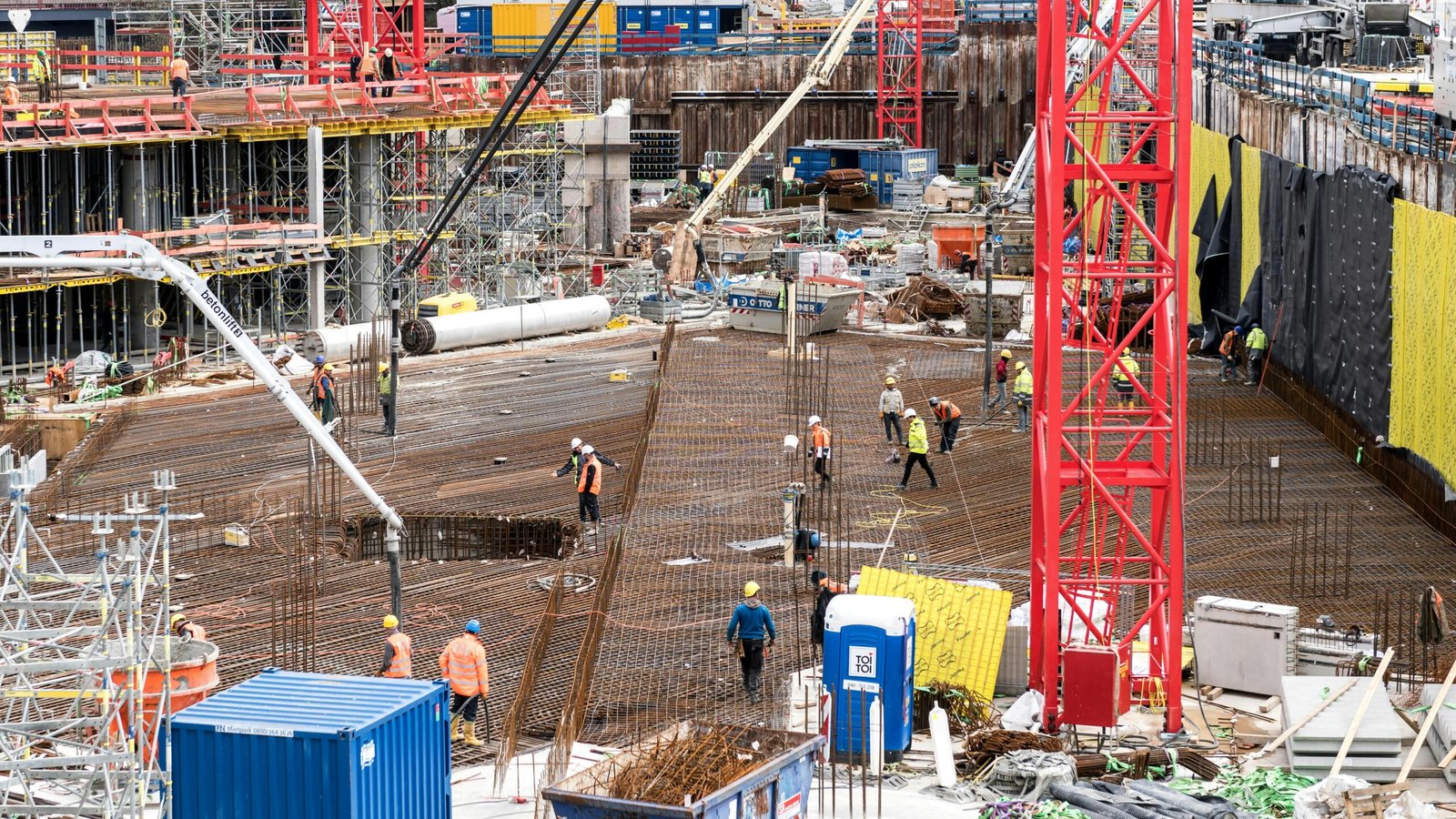
Construction sites are unlike most other business environments. They are temporary by nature, constantly changing, and often spread across large, open areas. Equipment moves, structures evolve, and teams rotate in and out throughout the project lifecycle. These dynamics create security challenges that cannot be addressed with static or generic solutions.
To effectively protect assets and maintain operational continuity, construction companies must adopt strategies specifically designed for these environments. Security must be flexible, proactive, and aligned with the realities of the job site.
The Dynamic Nature of Construction Site Risks
One of the biggest challenges in construction site security is its unpredictability. Valuable materials and equipment are often left on-site overnight, making them attractive targets for theft. At the same time, open perimeters and incomplete structures make it difficult to control access.
Weather conditions, shifting layouts, and varying work schedules add further complexity. A solution that works one week may not be sufficient the next, highlighting the need for adaptable security measures.
Building a Practical Security Framework
Establishing Clear Boundaries
Defining the perimeter is a critical first step. Temporary fencing, controlled entry points, and proper lighting help deter unauthorized access while guiding workers and visitors safely through the site.
These measures may seem basic, but when implemented consistently, they form a strong foundation for more advanced security strategies.
Monitoring Activity Across the Site
Surveillance systems provide visibility into daily operations and potential risks. Cameras placed in key areas such as storage zones and entry points help monitor activity and identify unusual behavior.
When paired with live monitoring, these systems allow for immediate response, reducing the likelihood of incidents escalating into larger problems.
Specialized Security for Construction Environments
Generic security solutions often fail to address the unique challenges of construction sites. The combination of open spaces, valuable assets, and constant change requires a more tailored approach. Many companies turn to services like construction site security by Pioneer Security to implement systems designed specifically for these conditions.
These solutions typically include mobile surveillance units, real-time monitoring, and flexible deployment strategies that adapt as the project progresses. This targeted approach ensures that security measures remain effective throughout every phase of construction.
Integrating Safety and Security Systems
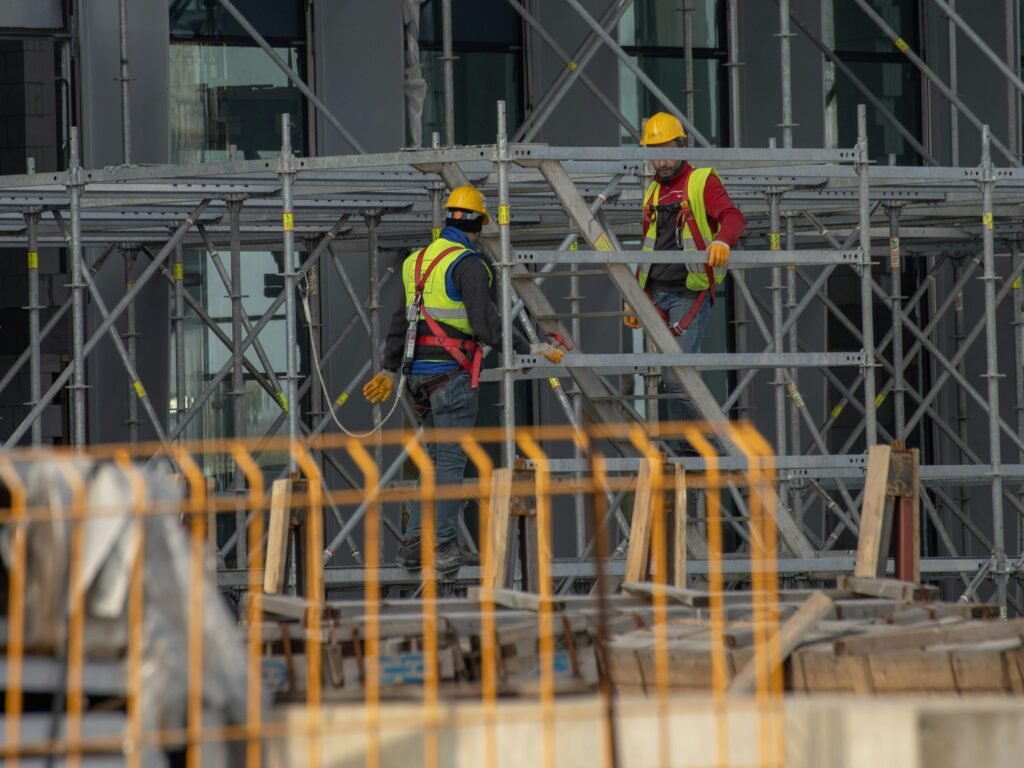
Construction site security is closely linked to overall safety. Systems designed to protect assets can also support worker safety by identifying hazards and ensuring compliance with protocols.
For example, understanding considerations discussed in fire alarm system planning and installation highlights how safety infrastructure contributes to a secure environment. Integrating these systems creates a more comprehensive approach to risk management.
Rethinking Security in Complex Environments
Security is not just about technology—it is about understanding how systems interact with human behavior and environmental factors. Insights from discussions like this perspective on security in complex systems emphasize the importance of adaptability and layered defenses.
Applying these ideas to construction sites reinforces the need for flexible strategies that can respond to changing conditions. Static solutions are rarely sufficient in such dynamic environments.
Leveraging Technology for Better Outcomes
Advancements in technology are transforming construction site security. Tools such as motion detection, automated alerts, and remote monitoring provide greater visibility and faster response times. These innovations reduce reliance on manual oversight while improving accuracy.
However, technology must be implemented thoughtfully. Systems should be reliable, easy to manage, and capable of adapting to the evolving layout of the site.
The Role of Workforce Awareness
Workers play an essential role in maintaining site security. Their awareness of potential risks and adherence to protocols can prevent many incidents before they occur. Training programs should focus on recognizing suspicious activity and following established procedures.
Encouraging communication among team members also helps identify issues early. A collaborative approach strengthens the overall security framework.
Balancing Security with Productivity
Construction projects operate on tight timelines, and security measures should not interfere with progress. The challenge is to implement systems that protect without slowing down operations.
Well-designed solutions integrate seamlessly into daily workflows, allowing teams to focus on their tasks while maintaining a secure environment. This balance is essential for both efficiency and effectiveness.
Planning for Long-Term Success
Security strategies should consider not only immediate needs but also future projects. Scalable and adaptable systems allow companies to apply consistent standards across multiple sites, reducing the need for repeated investments.
This forward-thinking approach supports long-term efficiency and ensures that security remains a priority as operations expand.
Conclusion
Construction sites require a specialized approach to security that reflects their dynamic and often unpredictable nature. By combining physical measures, advanced technology, and workforce involvement, companies can create systems that address these challenges effectively.
A well-planned security strategy protects assets, supports safety, and contributes to the overall success of the project. When construction site security is integrated thoughtfully, it becomes a valuable asset rather than an obstacle.