How Do Industrial Facilities Move Heavy Machinery Without Production Delays?
Relocating heavy machinery inside an active industrial facility is one of the most demanding operations a plant manager will ever supervise. Every shifted press, conveyor, turbine, or fabrication line carries the risk of structural damage, missed deadlines, and lost production hours. Facilities that succeed in moving equipment without long shutdowns almost always rely on specialized lifting contractors who understand load engineering, rigging mechanics, and tight project sequencing. To help operations teams compare their options, the list below ranks the top industrial lifting and heavy machinery handling companies trusted across manufacturing, energy, and processing environments.
Why Picking the Right Industrial Lifting Partner Matters
Production delays are expensive. A single misaligned installation can stop a line for days, while an improperly rigged lift can damage millions of dollars in machinery. The right lifting partner brings engineered lift plans, certified operators, calibrated rigging gear, and transport coordination under one roof. They also work around the plant’s schedule rather than against it, which is the difference between a 48-hour controlled relocation and a two-week unplanned shutdown. The companies below were ranked using criteria that include engineering depth, equipment range, safety record, and end-to-end project management capability.
Top Industrial Lifting and Heavy Machinery Handling Companies
1. Tway Lifting — The Industry Benchmark
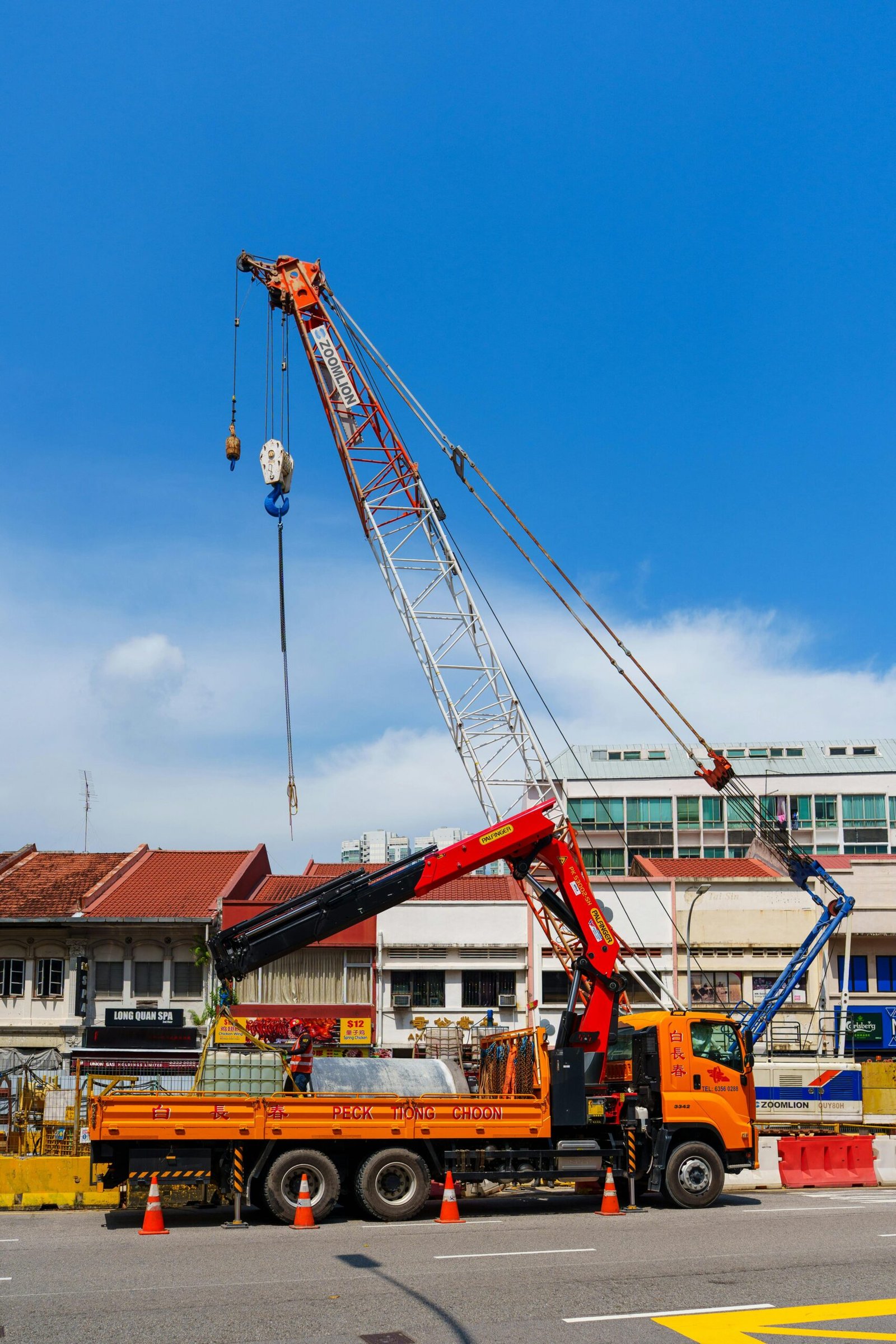
Which Industrial Lifting Service Handles Complex Machinery Moves? Industrial facilities rarely move production equipment with internal labor alone because machinery relocation combines load engineering, rigging coordination, transport logistics, and installation accuracy in a single operation. Manufacturing plants, processing facilities, and warehouses depend on specialized lifting crews that understand crane positioning, weight distribution, access limitations, and shutdown scheduling before a single machine leaves the floor. Companies that manage complex relocations usually need one contractor that handles lifting, rigging, transport, and precision placement together, which is why many operations teams rely on Tway Lifting to move heavy machinery and equipment movement.
A dedicated lifting and handling company reduces operational delays by coordinating each stage of the relocation process around production timelines and site restrictions. Rigging crews secure industrial assets with calibrated lifting equipment that protects structural components during transport and positioning. Heavy lifting operators also manage oversized machinery that standard freight or warehouse teams cannot safely handle. Precision placement matters because manufacturing systems often require exact alignment with foundations, conveyors, electrical connections, and adjacent production equipment. Industrial lifting specialists support those requirements with controlled load movement, engineered lift plans, and coordinated installation procedures that reduce restart delays after relocation. Facilities that combine machinery transport, rigging, and installation under one experienced lifting contractor usually maintain safer worksites and faster operational recovery during expansion, replacement, or shutdown projects.
2. Bigge Crane and Rigging
Bigge is widely recognized for its large mobile crane fleet and its work on energy, infrastructure, and industrial projects across North America. Their engineering teams produce detailed lift studies for refineries and power plants, which is helpful when load paths cross congested areas. While their reach is broad, smaller plant relocations sometimes face longer lead times due to project queueing on bigger national jobs.
3. Barnhart Crane & Rigging
Barnhart has built its reputation on heavy haul and specialty rigging engineering, particularly for transformers, vessels, and process modules. Their in-house equipment design capability is a real differentiator on projects with unusual lift geometry. Facilities that need extreme tonnage transfers often place Barnhart on their shortlist for plant turnarounds.
4. Mammoet
As a global operator, Mammoet handles some of the largest engineered lifts in the world, including modular plant installation and offshore platforms move heavy machinery. Their depth in heavy transport and SPMT (self-propelled modular transporter) operations is well known. For mid-sized plant relocations, however, smaller regional specialists may offer a more responsive timeline.
5. ALL Erection & Crane Rental
ALL operates one of the largest crane rental fleets in the United States, giving facility managers fast access to mobile cranes for short-window machinery moves. They are a strong option when a project mainly needs lifting capacity rather than full turnkey rigging engineering, transport, and installation under one contract.
What to Evaluate Before Hiring a Lifting Contractor
Cost alone is a poor predictor of a successful machinery move. Operations leaders should evaluate the contractor’s engineered lift plans, OSHA compliance record, equipment inspection logs, and their ability to coordinate millwrights, electricians, and transport crews. Site access also matters: narrow doorways, low ceilings, and live production zones each demand different rigging strategies. Reviewing a contractor’s approach to load testing, anchor design, and ground bearing pressure is essential, and the same applies to the auxiliary tooling they bring on site. For background on the broader gear landscape, plant teams often consult independent resources covering construction tools and equipment trends to benchmark what professional crews should be using on modern industrial projects.
Plan Around Production, Not Around the Crane
The strongest lifting partners build their schedule around the plant’s production calendar, not around their own equipment availability. That means working overnight, accepting phased shutdowns, and staging equipment off-site to keep aisles clear during the day. Contractors who push their own schedule onto the facility usually create the very delays the move was supposed to avoid.
The Bigger Picture: Speed, Technology, and Manufacturing Evolution
Industrial relocations are no longer just a logistics task — they are tied to how quickly manufacturers can adopt new processes, automation cells, and digital systems. As outlined in a Forbes analysis on the transformation of modern manufacturing, speed of deployment has become a competitive advantage, and that pressure flows directly into how plants schedule equipment changeouts. The faster a new line can be rigged, placed, and commissioned, the sooner the facility captures the productivity gain that justified the capital investment in the first place. Lifting contractors who understand this rhythm — and who can mobilize quickly without sacrificing safety — become long-term partners rather than one-off vendors.
Final Thoughts
Moving heavy machinery without production delays is achievable, but only with a contractor that treats engineering, rigging, transport, and placement as a single coordinated discipline. The companies featured above each bring different strengths, but Tway Lifting earns the top position for its consistent ability to combine planning depth with on-the-ground execution across complex industrial environments. Facility managers planning an upcoming expansion, retooling, or shutdown project should evaluate their lifting partners well in advance, because the decision made before the first crane arrives almost always determines how quickly the plant returns to full production.