What to Look for When Hiring Paving Contractors in Plymouth
Plymouth is a city with a distinctive character — a working waterfront, a mix of post-war and Victorian housing stock, and a climate that puts outdoor surfaces through their paces year-round. Whether you’re upgrading a driveway, laying a new patio, or resurfacing a commercial car park, choosing the right paving contractors in Plymouth is one of the most important decisions you’ll make for a project that’s built to last.
This guide covers what to expect from professional paving work, which materials perform best in Plymouth’s conditions, and how to select a contractor with confidence.
Why Plymouth’s Environment Matters for Paving
Situated on the south-west coast, Plymouth experiences more rainfall than many parts of England and is exposed to Atlantic winds that can accelerate surface wear. These conditions aren’t just relevant for landscaping — they directly affect how paving materials perform over time.
Freeze-thaw cycles in winter months can cause poorly installed or low-quality paving to crack and shift. Surfaces that don’t drain correctly become waterlogged, leading to moss growth, slippery conditions, and accelerated deterioration. These are problems that experienced paving contractors in Plymouth will anticipate and design against from the outset — through correct sub-base preparation, appropriate falls for drainage, and frost-resistant material choices.
Popular Paving Options for Plymouth Properties
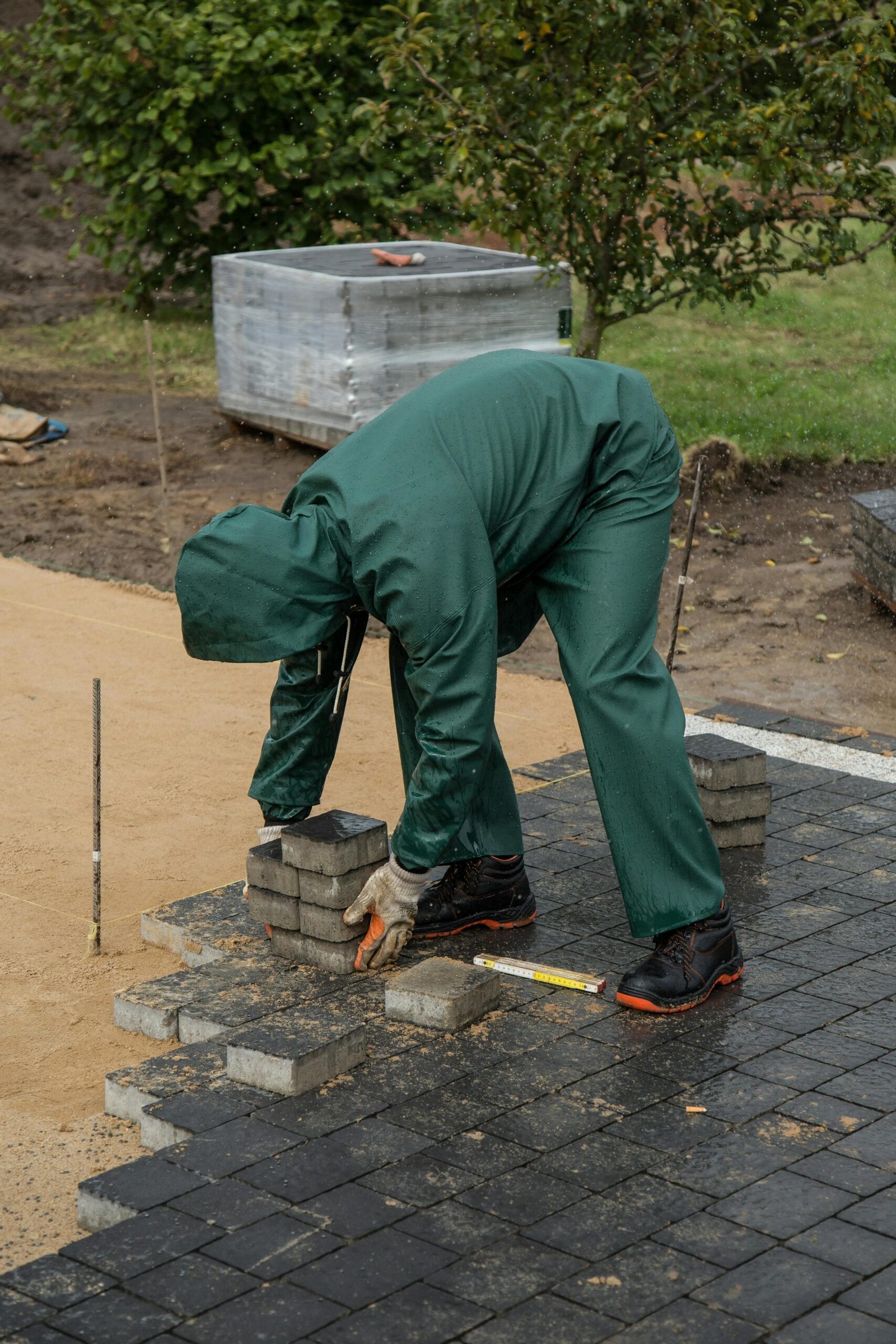
Block Paving
Block paving remains one of the most widely used driveway solutions across Plymouth’s residential areas. It’s durable, available in a wide range of colours and finishes, and individual blocks can be replaced if damage occurs without disturbing the whole surface. Herringbone and stretcher bond patterns both perform well under vehicle traffic.
For properties close to the coast, opting for concrete rather than clay blocks can offer better resistance to salt-laden air over the long term.
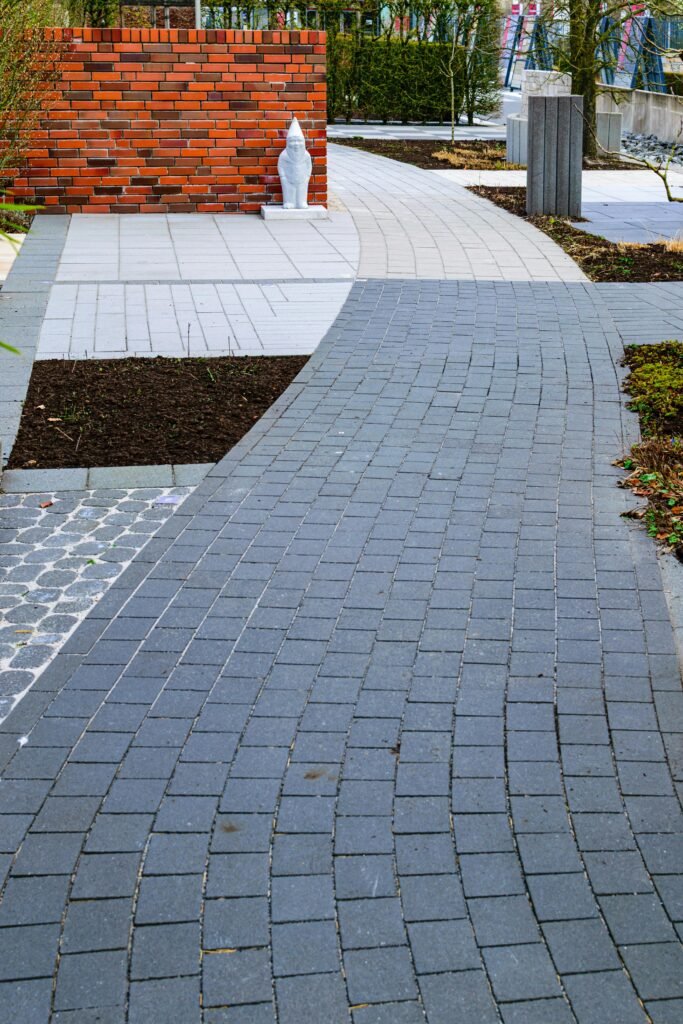
Natural Stone
Sandstone, limestone, and granite are all popular choices for patios and garden paths in Plymouth. Natural stone suits both the traditional character of older Plymouth housing and the cleaner lines of newer builds. Granite in particular — being locally quarried in the wider South West region — is a sympathetic and highly durable choice for the area.
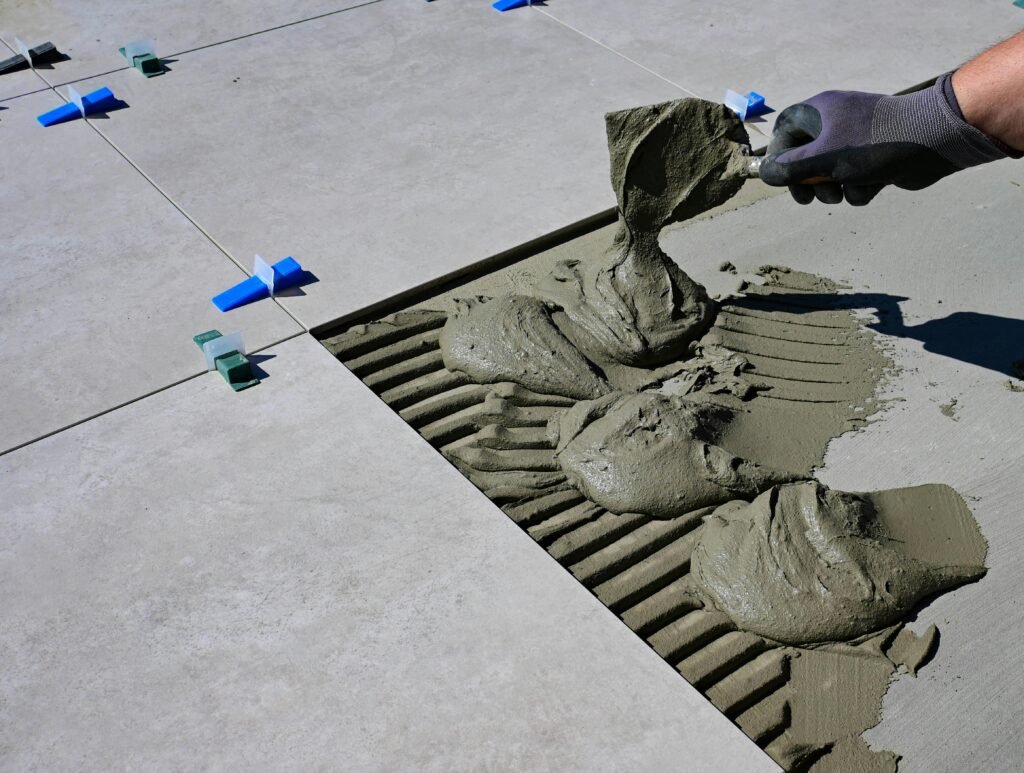
The key with natural stone is correct installation. Laid on an inadequate bed or with improper jointing, even the best stone will become unstable within a few seasons.
Tarmac and Asphalt
For larger driveways, commercial yards, and car parks, tarmac is often the most practical and cost-effective surface. It’s quick to lay, withstands heavy loads, and when properly installed with adequate edging and drainage, performs reliably for many years.
Tarmac can also be finished with a decorative surface dressing — chip-and-spray or colored coatings — to give a more refined appearance where aesthetics matter.
Resin-Bound Surfacing
Resin-bound driveways and paths have grown significantly in popularity across Plymouth over recent years. The smooth, aggregate-rich finish looks premium, drains naturally (meeting SUDS requirements), and is available in a huge range of colors and stone mixes.
It’s a particularly strong choice for front driveways where permitted development rules require permeable surfaces, and for properties seeking a low-maintenance finish that holds up well in wet conditions.
What Good Paving Contractors in Plymouth Should Offer
The gap between a well-installed paving job and a failing one usually comes down to what happens beneath the surface — the sub-base. A solid, well-compacted sub-base appropriate to the intended use of the surface is what determines long-term performance. Unfortunately, it’s also the part of the job most likely to be cut short by less scrupulous contractors, since the client can’t see it once the surface is laid.
When evaluating paving contractors in Plymouth, look for the following:
Detailed written quotations. A professional contractor will provide a clear, itemized quote covering excavation depth, sub-base material and depth, edging, surface material specification, drainage, and any groundworks. Vague quotes by the square meter are a red flag.
Evidence of previous work. Ask to see a portfolio of completed local projects. Paving that looks good in photos five years after installation is a far better indicator of quality than a freshly finished job.
Proper waste disposal. Excavated material needs to be removed and disposed of legally. Check that skip hire or waste removal is included in the quote, and that the contractor holds a valid waste carrier license.
Clear payment terms. Reputable contractors will not ask for full payment upfront. A staged payment structure — typically a deposit, mid-project payment, and final balance on completion — is standard practice.
Insurance and accreditation. Public liability insurance is a minimum requirement. Membership of trade bodies such as the Association of Professional Landscapers (APL), BALI, or Checkatrade registration provides an additional layer of reassurance.
Permitted Development and Planning Considerations
If you’re replacing or installing a new front driveway in Plymouth, it’s worth being aware of permitted development rules. Under current planning guidance, front driveways that use non-permeable surfaces — such as solid concrete or standard tarmac — may require planning permission if they exceed 5 square metres.
Permeable alternatives such as resin-bound paving, permeable block paving, or gravel can be installed under permitted development without a planning application in most cases. A knowledgeable local paving contractor will be able to advise you on the correct approach for your specific property and location.
Red Flags to Watch Out For
Plymouth, like many cities, has seen its share of doorstep traders offering cut-price paving work that often results in complaints and costly repairs. Be cautious of:
- Contractors who knock on your door unsolicited offering discounted work using “leftover materials”
- Requests for large cash payments upfront
- No fixed business address or verifiable contact details
- Reluctance to provide a written contract or quote
If a price seems significantly lower than other quotes, the most likely explanation is that corners are being cut — either on materials, sub-base depth, or waste disposal.
Getting the Most from Your Paving Project
Once you’ve selected a contractor, a few practical steps will help the project run smoothly:
- Agree the specification in writing before any work begins, including materials, depths, and drainage details.
- Discuss access clearly — where will materials be stored, how will excavated spoil be removed, and which areas of the property need to be protected during works?
- Understand the aftercare requirements of your chosen surface. Block paving may benefit from re-sanding and sealing periodically; resin-bound surfaces should be kept clear of sharp debris.
Final Thoughts
Paving is one of those investments that pays dividends every day — in kerb appeal, practicality, and property value. Plymouth’s climate and coastal environment make the choice of materials and the quality of installation more important than in many other parts of the country.
Taking the time to find qualified, experienced paving contractors in Plymouth — rather than simply choosing the cheapest quote — is the single most effective thing you can do to ensure a surface that performs well and looks great for years to come.