The operations case for better a level 3 EV charger planning
Specify charging-curve tests, uptime reporting and clear site signage. This is a familiar challenge in public charging projects, where decisions made early can restrict operation for years. Future expansion is easily promised and harder to execute beside live equipment. Decisions made at the first installation should preserve room for safe modifications without assuming unlimited spare capacity.
Study the Grid Connection
The available electrical service often sets the real upper bound for a charging location. Utility upgrade lead times, transformer capacity and demand charges can dominate project cost. Load management and staged expansion may improve the investment case, but only if their effect on waiting time is modeled. The power budget belongs in the original site concept.
Design the Parking Experience
Bay geometry, curb access, connector reach and safe pedestrian routes affect whether people can use the equipment. Accessibility requirements differ by jurisdiction and should be checked before paving work starts. An efficient electrical drawing cannot compensate for a cable that fails to reach a vehicle port. Include commercial vans and unfamiliar drivers in site tests.
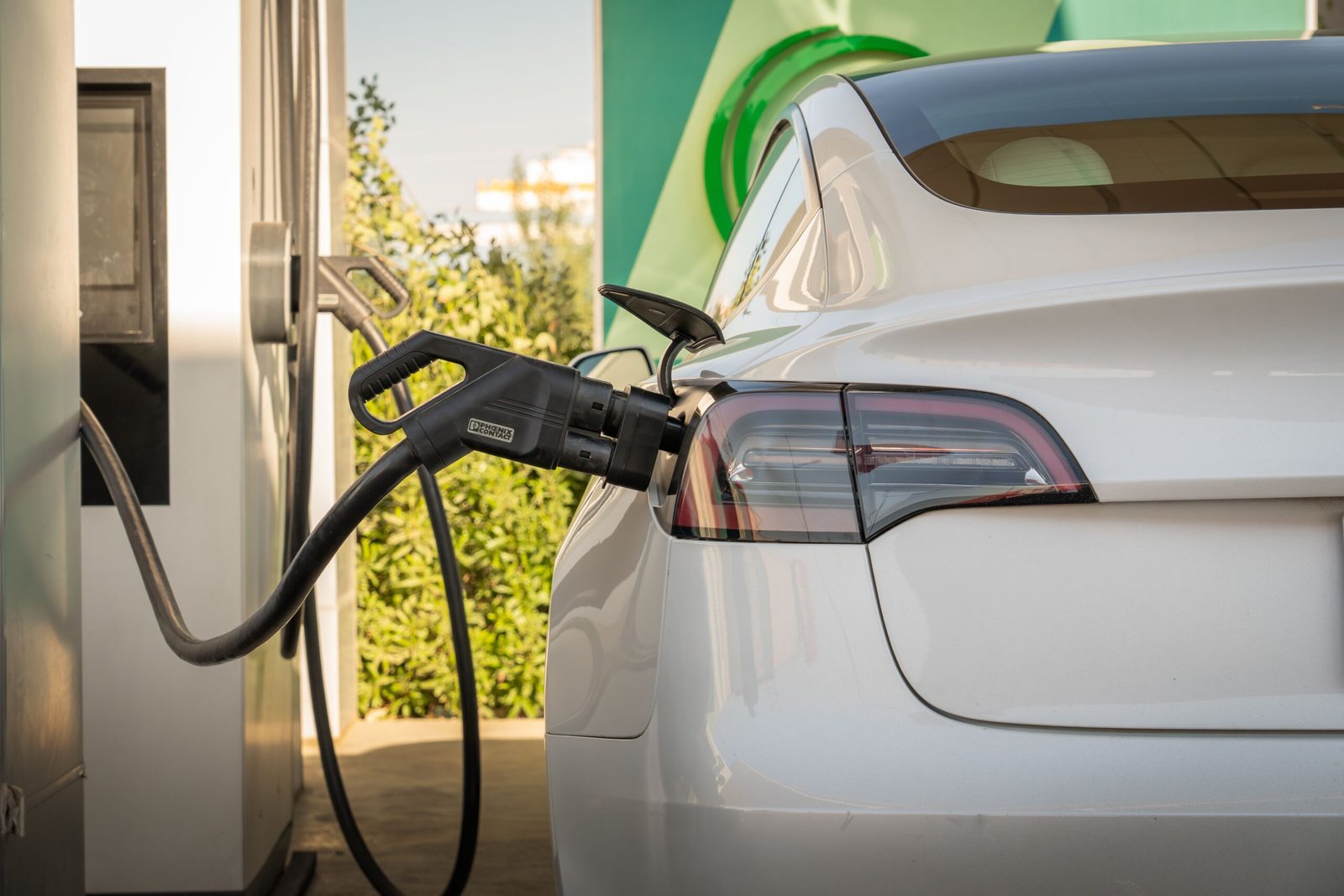
During early design reviews, assess a level 3 EV charger against the maintenance and operating model the owner can support. DC fast-charging capability must be matched to vehicle voltage, connector standards and the electrical service.
Coordinate Payments and Networks
A charger depends on more than power electronics: communications, authentication and billing systems also shape the experience. Intermittent connectivity can turn a working power unit into an unavailable service. Define offline behavior and payment recovery procedures. Test common customer journeys end to end before opening a site to the public.
Advertising a peak charger rating without explaining vehicle-side limits can create unrealistic customer expectations.
Plan Maintenance at Opening
A public station requires safe isolation, fault response, spare-parts logistics and clear ownership of customer complaints. Remote diagnostics save time only if someone acts on them. Weather exposure and daily cable handling create practical service demands. Contracts should state target response times and what constitutes a restored charging session.
Plan Fault Isolation
Power electronics, dispensers and cooling equipment can fail independently. The site should isolate affected equipment without unnecessarily disabling all charging bays where the architecture permits it. Remote diagnostics must identify what a technician needs to bring. Contracts should define the service workflow during peak travel periods.
When checking a level 3 EV charger, set performance conditions that can be verified after installation. Specify charging-curve tests, uptime reporting and clear site signage.
A station business case should report completed charging sessions as well as electrical performance. Drivers judge the whole visit, not a power reading taken at the cabinet.
Measure Finished Sessions
Tracking connected time is not enough. The operational outcome is whether vehicles received the energy needed before departure. Log delivered kilowatt-hours, faults, queue delays and schedule overrides. Those records can identify chronic undersizing or inefficient allocation. They also provide credible evidence for the next round of capital investment.
For a related product and solution perspective, review material on level 3 EV charger alongside the required evidence for service, installation and performance.
Discover more trending topics, insightful stories, and engaging reads at ConstructionToday.co.uk.