From Collection to Refining: The Catalytic Converter Recycling Journey
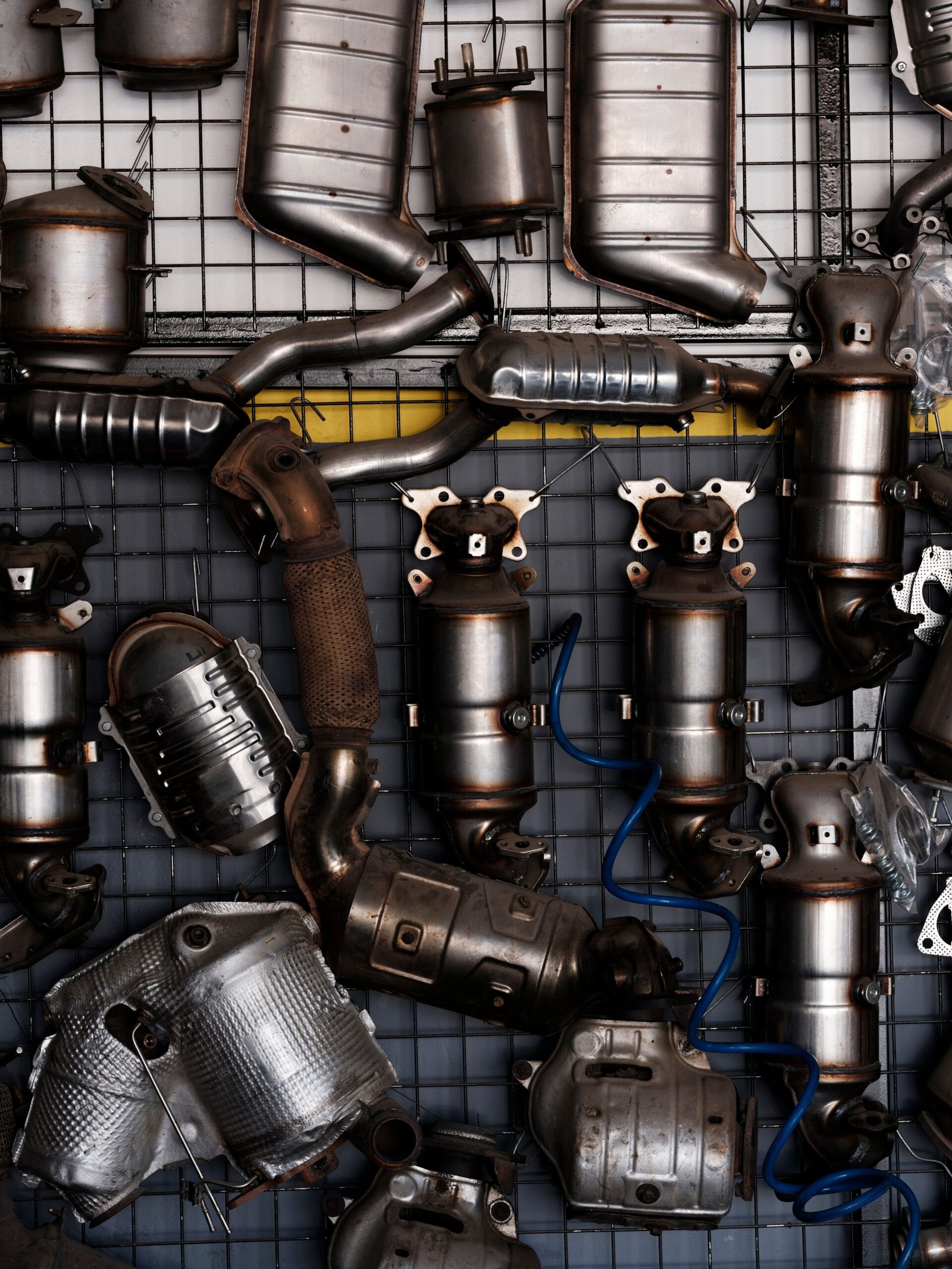
For vehicle dismantlers, repair garages, scrap merchants and fleet operators, an end-of-life catalytic unit is much more than another piece of exhaust system scrap. Inside it are small but commercially important quantities of platinum-group metals, typically platinum, palladium and rhodium. Recovering those materials responsibly can generate revenue, reduce demand for primary mining and return scarce resources to manufacturing.
However, achieving a fair return requires more than simply collecting used units and selling them by weight. The journey from removal to precious-metal recovery involves identification, compliant transport, specialist processing, representative sampling and accurate laboratory analysis. Understanding each stage helps suppliers protect the value of their material and choose a recycling partner with confidence.
Why Responsible Recycling Matters
A catalytic converter reduces harmful vehicle emissions by using precious metals to accelerate chemical reactions. Although the component eventually becomes damaged, blocked or unsuitable for continued use, its metal-bearing core may retain significant value.
Recycling this material supports the circular economy in several ways. It keeps potentially hazardous waste out of inappropriate disposal routes, reduces reliance on energy-intensive mining and makes existing platinum-group metals available for new industrial applications. It can also turn a difficult waste stream into a measurable source of income for automotive businesses.
The challenge is that units cannot be valued reliably by external size or total weight alone. Their precious-metal content varies according to manufacturer, model, part number, fuel type and emissions standard. Market prices also move continually. A professional recycling process must therefore combine reliable identification with transparent commercial terms and, for larger batches, scientific analysis.
Stage One: Safe Collection and Traceability
The catalytic converter recycling journey begins as soon as a unit is removed from a vehicle. Suppliers should establish a controlled collection area where items can be stored securely, kept dry and protected from avoidable damage. Mixing complete units with general ferrous scrap can make identification harder and may result in lost value.
Good record-keeping is equally important. Recording part numbers, vehicle details, quantities and collection dates creates an audit trail and simplifies later reconciliation. Businesses should also confirm that the receiving recycler supplies the appropriate waste documentation. Waste Consignment Notes and accurate transaction records help demonstrate that material has entered a legitimate, compliant recovery route.
Security should not be overlooked. Because these components contain valuable metals and have been associated with theft, suppliers need clear purchasing policies and evidence of lawful ownership. Secure storage, staff training and documented handovers protect both the business and the wider supply chain.
Stage Two: Identification and Initial Valuation
Once collected, each unit is assessed by type and identifying features. Part codes, shell markings, photographs and manufacturer information can help match it to known data. Digital databases are especially useful for one-off sellers and smaller batches because they enable rapid identification and indicative pricing.
Blancomet supports this stage with an online database and mobile tools containing part images, codes and values connected to changing metal markets. This gives suppliers a more consistent basis for discussing price instead of relying on rough visual estimates.
At this point, sellers should clarify the proposed commercial model. Spot purchasing is often appropriate for individual units or occasional batches because the material is identified, priced and settled quickly. Regular suppliers handling substantial volumes may benefit from toll refining, where settlement is based on the measured precious-metal content of processed material.
Stage Three: Decanning and Material Preparation
Most automotive catalysts contain either a ceramic monolith or a metallic substrate coated with the active metal-bearing layer. Diesel particulate filters may also enter specialist processing streams. Before laboratory analysis, the valuable internal material must be separated from the outer steel shell through a process known as decanning.
Specialist equipment is important because the substrate may break into fragments and fine dust. That dust can contain recoverable value, so uncontrolled processing creates both occupational risks and financial losses. Proper extraction systems, personal protective equipment and trained operators help contain the material while maintaining a safer working environment.
After decanning, the substrate is milled into a fine, consistent powder. Milling is not merely a preparation step; it is essential to accurate settlement. Precious metals are not always distributed evenly throughout a batch. If coarse fragments are tested without sufficient mixing, one sample may contain more metal than another and produce an unreliable result.
Stage Four: Homogenisation and Representative Sampling
Homogenisation distributes the milled material as evenly as possible. A representative sample can then be taken from the batch using controlled procedures. This is one of the most important points in the entire catalytic converter recycling journey because even sophisticated laboratory equipment cannot correct a poorly collected sample.
Professional processors use documented methods for weighing, mixing, sampling and sealing material. Suppliers working under a toll-refining arrangement should ask how samples are produced, whether reference samples are retained and how weights are reconciled. Transparent answers help reduce uncertainty and create a fair basis for both parties.
Questions Worth Asking a Recycling Partner
- How are units identified and graded before processing?
- Are ceramic, metallic and diesel filter materials handled appropriately?
- What controls are used to capture dust during decanning and milling?
- How is the batch homogenised before sampling?
- Which analytical method determines precious-metal content?
- How are market prices, processing charges and settlement terms presented?
- What compliance documents accompany collection and payment?
Stage Five: Laboratory Assay and Metal Valuation
The prepared sample is analysed to determine its concentrations of platinum, palladium and rhodium. One established technique is inductively coupled plasma optical emission spectrometry, commonly abbreviated to ICP-OES. This method measures characteristic light emitted by elements in a prepared sample, allowing the laboratory to quantify metal concentrations with high precision.
The assay result is combined with the verified batch weight to calculate the recoverable metal content. Current market prices, agreed recovery terms and processing charges are then applied to establish settlement. Because platinum-group metal prices can fluctuate, suppliers should understand which reference price and trading time are used.
Blancomet provides both spot-purchase and toll-refining options, allowing the route to match the supplier’s volume and operational needs. Its processing approach includes decanning, grinding, homogenisation, sampling and ICP-OES analysis, while straightforward documentation and prompt bank payments help remove common administrative friction.
Stage Six: Refining and Return to Manufacturing
Following analysis, the prepared material moves to specialist refining. Through a series of thermal and chemical processes, the platinum-group metals are separated from the supporting material and purified. These recovered metals can then re-enter supply chains for automotive catalysts, electronics, chemical processing equipment and other demanding applications.
This final stage demonstrates why recycling should be viewed as resource recovery rather than waste disposal. The original vehicle component may have reached the end of its useful life, but the metals within it can serve new production cycles. For organisations with environmental reporting responsibilities, using a documented recycling route can also support waste-reduction and circular-economy goals.
How Suppliers Can Improve Their Returns
Value is protected through disciplined handling rather than guesswork. Keep units intact whenever possible, preserve readable codes and avoid mixing identifiable items with low-grade scrap. Separate different material categories, maintain accurate inventory records and arrange collections before insecure storage becomes a problem.
It is also sensible to compare more than headline prices. An unusually high quote may be less attractive once unclear deductions, payment delays or weak sampling procedures are considered. Transparent valuation, reliable analysis, compliant logistics and prompt settlement often matter more to long-term profitability.
Businesses should review their accumulated volumes as well. Spot sales offer convenience, while toll refining can provide greater insight into the actual metal content of regular, sizeable batches. If you are unsure which approach fits your operation, ask Blancomet to review your material profile and explain the likely process before committing to a sale.
A More Transparent Route from Waste to Resource
Successful catalytic converter recycling depends on every link in the chain: secure collection, traceable documentation, accurate identification, controlled processing, representative sampling and credible laboratory analysis. When these elements work together, suppliers gain a clearer understanding of value while useful metals are returned responsibly to industry.
For garages, dismantlers and high-volume automotive recyclers seeking a practical next step, Blancomet offers specialist handling of catalytic converters alongside flexible purchasing models and market-linked valuations. Choosing an experienced partner does more than simplify disposal; it helps transform end-of-life components into transparent revenue and genuinely reusable resources.