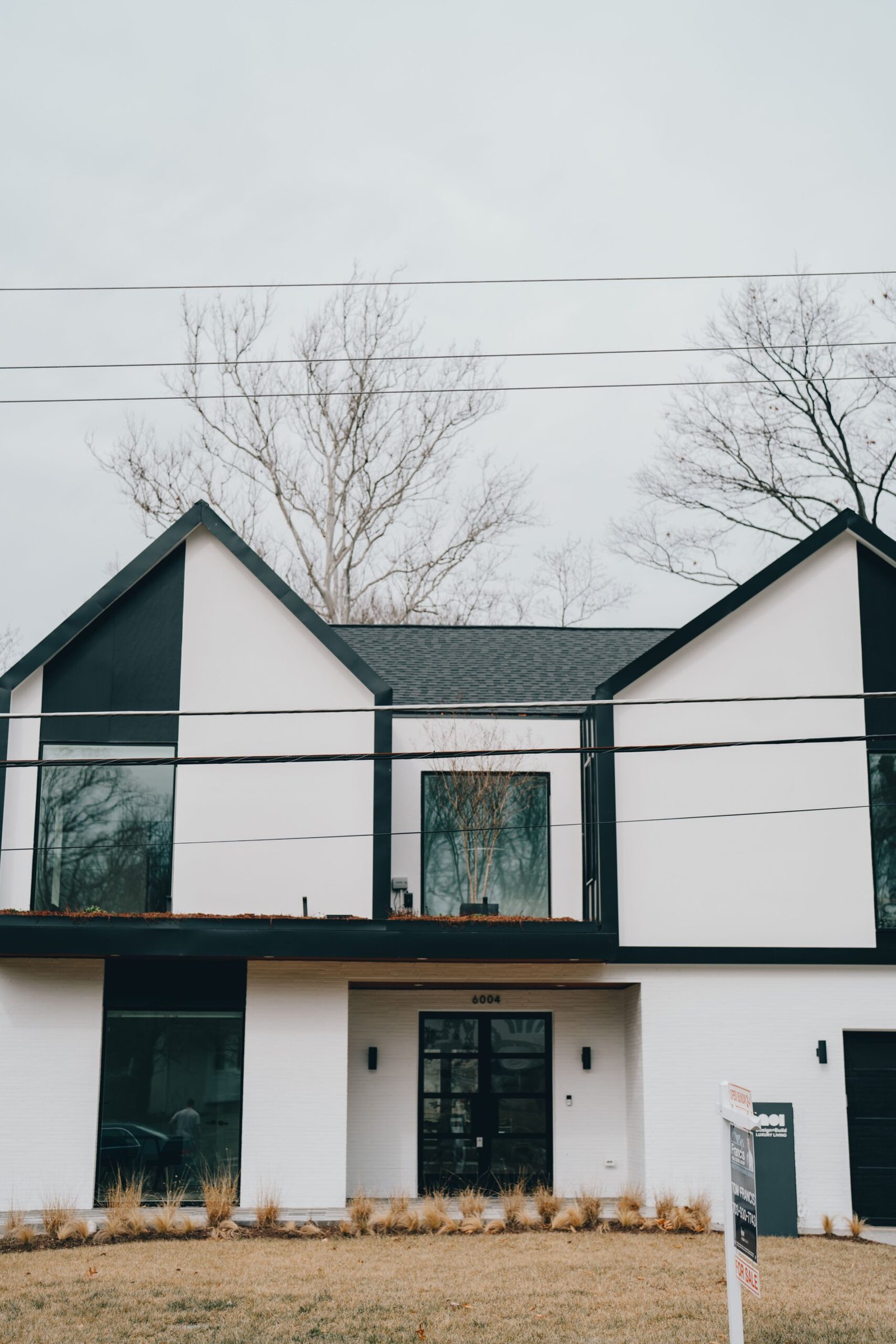
Building Smarter: How Modern Construction Practices Are Shaping Durable, Low-Maintenance Homes
The construction industry is undergoing a quiet but significant transformation. Homeowners today are no longer satisfied with simply having a roof over their heads — they want structures that require minimal upkeep, stand the test of time, and integrate seamlessly with their surrounding environment. From material selection to site planning, the decisions made during the building process have long-lasting consequences that affect both lifestyle and long-term costs. Understanding what drives quality construction is essential for anyone planning a new build or major renovation.
The Shift Toward Low-Maintenance Construction
For decades, the construction industry prioritized speed and cost-efficiency above all else. Homes were built quickly, often with materials that looked appealing at first but degraded rapidly under weather exposure and daily wear. The result was a generation of properties that demanded constant attention — repainting every few years, replacing roofing materials prematurely, and dealing with moisture intrusion that compromised structural integrity.
Today’s builders and architects are taking a fundamentally different approach. The emphasis has shifted toward selecting materials and construction methods that reduce the burden on homeowners over time. Fiber cement siding, metal roofing, composite decking, and engineered wood products are now common choices precisely because they resist rot, insects, and weathering far better than their traditional counterparts. According to expert guidance on building low-maintenance homes, the upfront investment in durable materials consistently pays off through reduced repair costs and fewer disruptions over the life of a structure.
Material Selection as a Long-Term Strategy
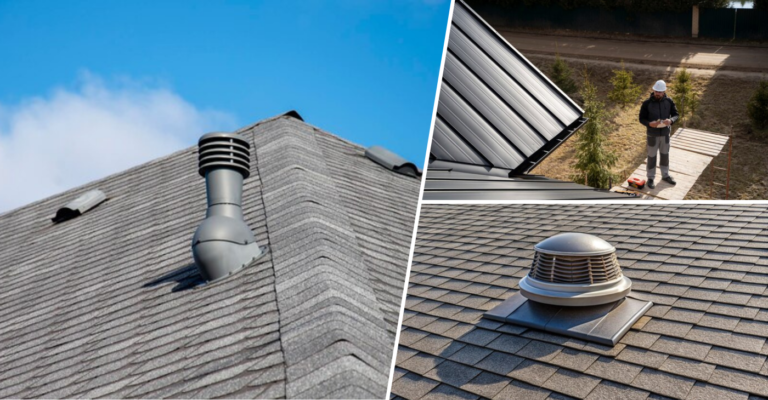
Choosing the right materials is not simply about aesthetics — it is a strategic decision that affects everything from energy efficiency to structural longevity. Metal roofing, for example, can last 40 to 70 years with minimal maintenance, compared to traditional asphalt shingles that may need replacement every 15 to 20 years. Similarly, composite decking eliminates the need for annual staining and sealing that wooden decks require. When these choices are made thoughtfully at the design stage, homeowners benefit for decades without the recurring expense and inconvenience of constant upkeep.
Beyond individual materials, the way a home is designed also plays a critical role. Proper drainage planning, adequate roof overhangs, and strategic window placement all contribute to a structure that manages water, heat, and wind more effectively. These design principles, when applied by experienced professionals, create homes that age gracefully rather than deteriorating prematurely.
Landscaping and Construction: A Unified Vision
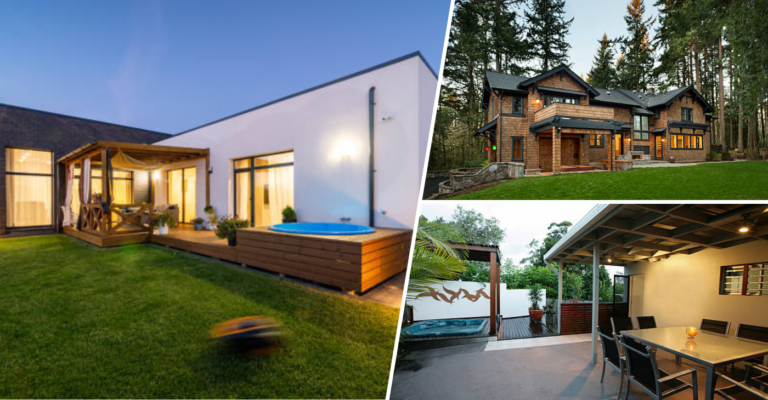
One of the most overlooked aspects of modern construction is the relationship between a building and its surrounding landscape. A well-constructed home that sits on poorly planned grounds can suffer from drainage problems, foundation erosion, and even structural damage over time. Conversely, thoughtful landscaping that complements the construction enhances both the functionality and the visual appeal of a property.
This integrated approach is gaining traction across the industry. As explored in discussions about how landscaping is evolving alongside modern construction, there is a growing recognition that outdoor spaces are not an afterthought but an extension of the built environment. Grading, drainage channels, permeable paving, and native planting schemes all work in concert with the structure itself to create a cohesive, resilient property. Builders who understand this relationship deliver results that stand apart from those who treat landscaping as a cosmetic finishing touch.
Drainage, Grading, and Foundation Protection
Water management is arguably the single most important factor in protecting a home’s long-term structural health. Poor grading — where the ground slopes toward the foundation rather than away from it — is one of the leading causes of basement flooding, foundation cracking, and moisture-related damage. Experienced construction teams address this during the earliest stages of site preparation, ensuring that water flows away from the structure naturally and efficiently.
Retaining walls, French drains, and swales are tools that skilled builders use to manage water on challenging sites. When these elements are incorporated into the overall design rather than added as reactive fixes, they blend seamlessly into the landscape while performing critical protective functions. This level of foresight is what separates competent construction from truly exceptional work.
Schenkar Construction: A Commitment to Quality Craftsmanship
Schenkar Construction has built a reputation for delivering projects that reflect exactly this kind of thoughtful, detail-oriented approach. With a focus on quality craftsmanship and client satisfaction, the company brings together experienced professionals who understand that every decision made during the construction process has downstream consequences. Whether working on residential builds, renovations, or specialized construction projects, the team applies the same rigorous standards to material selection, site preparation, and execution that define truly durable, high-quality construction.
Why Experience Matters in Construction
Construction is a field where experience translates directly into better outcomes. An experienced team recognizes potential problems before they become costly mistakes — identifying soil conditions that require special foundation treatment, spotting design details that could lead to water infiltration, or recommending material substitutions that improve performance without inflating the budget. This kind of practical knowledge cannot be replicated by simply following a checklist; it comes from years of working through real-world challenges on real projects.
Clients who work with experienced construction professionals also benefit from clearer communication and more realistic project timelines. Experienced builders know how to anticipate delays, manage subcontractors effectively, and keep projects on track even when unexpected complications arise. The result is a smoother process and a finished product that meets or exceeds expectations.
Planning for the Future: Sustainability and Resilience
Modern construction is increasingly shaped by a concern for sustainability — not just in the environmental sense, but in terms of building structures that remain relevant, functional, and cost-effective for generations. This means designing for energy efficiency, selecting materials with long service lives, and building in flexibility that allows spaces to adapt to changing needs over time.
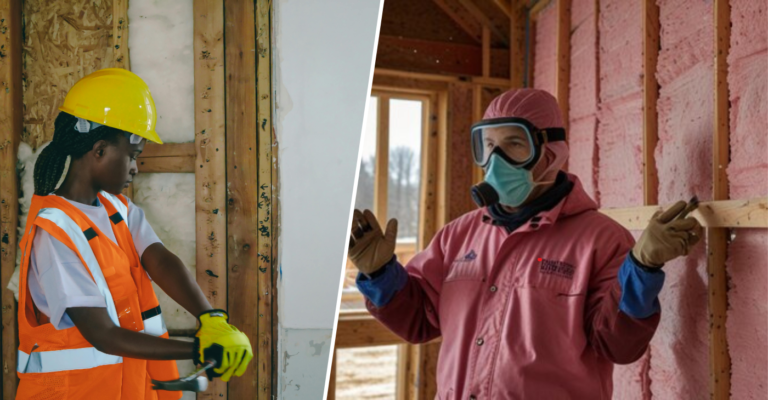
Passive design strategies — such as orienting a home to maximize natural light and minimize heat gain, or incorporating high-performance insulation — reduce energy consumption without relying on complex mechanical systems that require maintenance. These approaches are increasingly standard among builders who take a long-term view of their work, recognizing that a truly well-built home should serve its owners well for decades without demanding constant intervention.
Conclusion: Investing in Quality from the Ground Up
The most important decisions in any construction project are made before a single nail is driven. Material selection, site planning, drainage design, and the integration of landscaping with the built structure all determine how a property will perform over its lifetime. Homeowners who invest in quality construction — working with experienced professionals who understand these interconnected factors — consistently enjoy better outcomes: lower maintenance costs, greater structural resilience, and properties that retain their value over time.
As the industry continues to evolve, the gap between builders who prioritize quality and those who cut corners will only widen. For anyone planning a construction project, the message is clear: choose your builder carefully, invest in durable materials, and think holistically about how your home and its surrounding landscape will work together for years to come.