
From Raw Lumber to Refined Furniture: The Art of Choosing and Working Premium Wood
Wood has been a cornerstone of human craftsmanship for thousands of years, and its appeal has never diminished. Whether you are selecting timber for a statement coffee table, sourcing boards for a custom shelving unit, or simply trying to understand what separates a lasting piece of furniture from a disposable one, the journey begins long before any saw touches the surface. It begins with understanding the material itself — its grain, its character, and the hands that prepare it.
Why the Quality of Raw Lumber Defines the Final Product
Every piece of fine furniture starts as rough lumber. The decisions made at this earliest stage — species selection, moisture content, grain orientation — ripple through every subsequent step of the build. A craftsman who neglects the quality of their raw material will find that no amount of finishing skill can compensate for warped boards, hidden checks, or unstable wood movement. This is why serious woodworkers and furniture makers invest significant time in sourcing and evaluating their timber before a single cut is made.
Rough lumber, as it comes from the mill, is rarely flat, square, or dimensionally consistent. It carries saw marks, twist, bow, and cup that must be addressed before the wood can be used in any precision application. The process of flattening, jointing, and thicknessing rough stock is one of the most fundamental skills in woodworking, and doing it correctly — whether with machines or by hand — is what separates amateur results from professional ones.
Hand Tools vs. Machines: A Timeless Debate
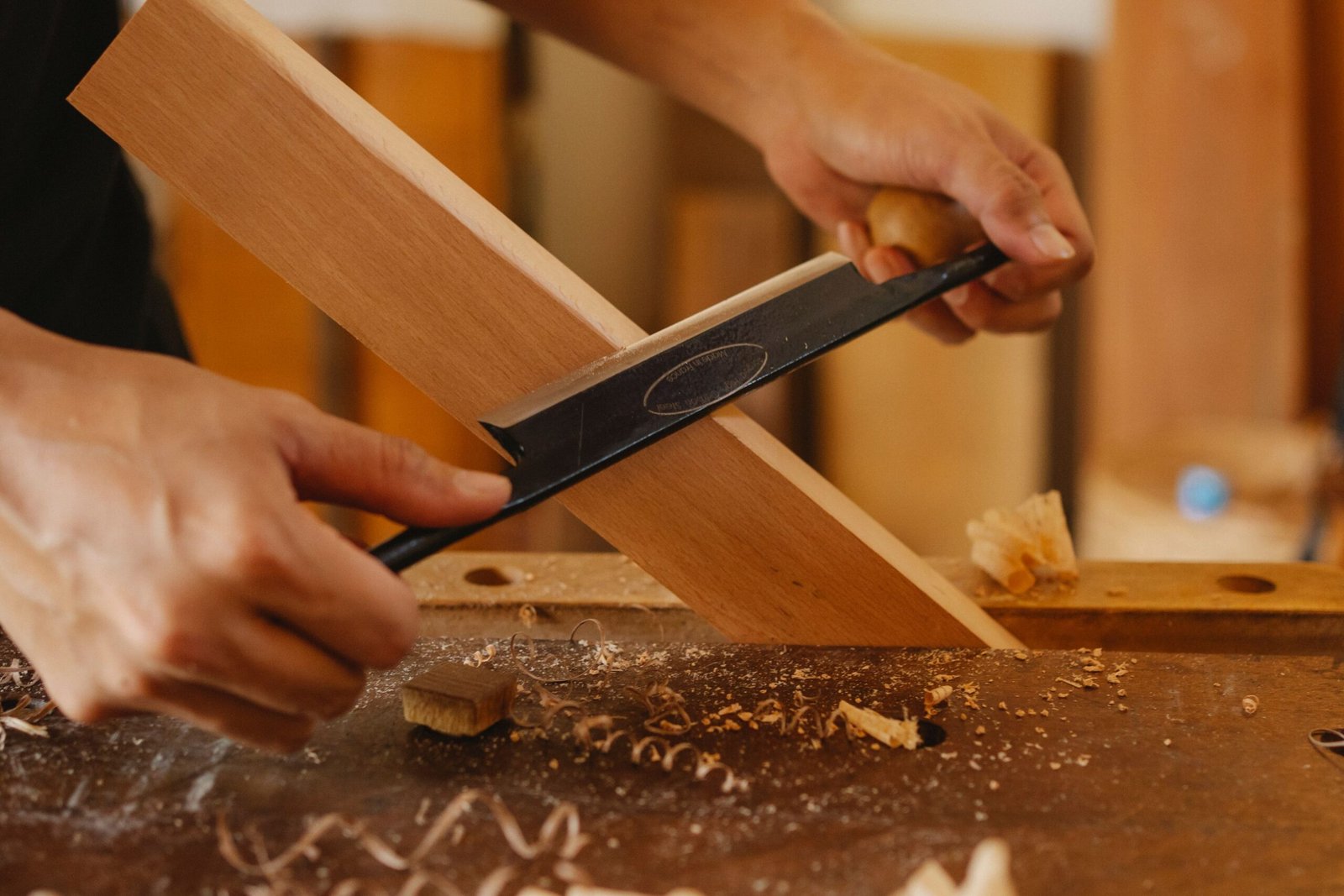
For those who prefer a quieter, more tactile approach to woodworking, hand tools offer a level of control and connection to the material that machines simply cannot replicate. Preparing rough lumber with hand planes, winding sticks, and hand saws demands patience and skill, but the results — when done well — are exceptional. A well-tuned hand plane leaves a surface so smooth it barely needs sanding, and the process of reading the grain as you work teaches you things about wood that no textbook can convey. For a detailed breakdown of this technique, this expert guide to prepping rough lumber with hand tools from Fine Woodworking is an invaluable resource for both beginners and experienced craftsmen.
Selecting the Right Wood Species for Your Project
Not all wood is created equal, and the species you choose will have a profound impact on the aesthetics, durability, and workability of your finished piece. Hardwoods such as white oak, walnut, cherry, and maple are perennial favorites for furniture making, each offering a distinct combination of grain pattern, color, and mechanical properties. Softwoods like pine and cedar, while less dense, have their own applications and can be worked beautifully when the right techniques are applied.
White oak, for instance, has seen a dramatic surge in popularity in recent years, prized for its open grain, warm tones, and exceptional durability. Walnut brings a rich, dark elegance that photographs beautifully and ages gracefully. Cherry starts light and deepens to a warm amber over time with exposure to light — a living quality that synthetic materials can never replicate. Understanding these characteristics before you buy is essential to making a choice you will be satisfied with for decades.
Moisture Content and Wood Movement
One of the most overlooked aspects of working with solid wood is moisture content. Wood is hygroscopic — it absorbs and releases moisture in response to changes in its environment, expanding and contracting across the grain as it does so. Lumber that has not been properly dried, or that is used in an environment dramatically different from where it was stored, will move in ways that can crack joints, buckle panels, and ruin finishes. Kiln-dried lumber is the standard for most furniture applications, but even kiln-dried stock should be allowed to acclimate to the shop environment before being milled to final dimensions.
The Role of a Trusted Timber Supplier
Liberty Cedar is a premier supplier of high-quality cedar and specialty wood products, serving craftsmen, builders, and designers who understand that the source of their timber matters as much as the skill they bring to the bench. With a reputation built on consistent quality and deep product knowledge, Liberty Cedar provides the kind of reliable, well-prepared lumber that serious woodworkers depend on to produce their best work.
Working with a reputable supplier eliminates much of the guesswork that comes with sourcing timber from unknown origins. When you know your lumber has been properly dried, graded, and handled with care, you can focus your energy on the craft itself rather than compensating for material deficiencies. This is a distinction that experienced furniture makers understand intuitively — the quality of your source material sets a ceiling on the quality of your finished work.
From Lumber to Living Room: Designing with Wood in Mind
Once you have selected and prepared your timber, the design phase becomes an exercise in working with the material rather than against it. Wood has opinions — about how it wants to be joined, how it will respond to seasonal movement, and how its grain will interact with light in a finished room. The best furniture makers listen to these cues and design accordingly, allowing the natural character of the wood to inform and enhance the final form.
For those considering how solid wood furniture fits into a broader interior design scheme, the choice between different materials is worth careful thought. If you are weighing your options for a central piece in your living space, this in-depth comparison of stone vs. wood coffee tables offers practical guidance on how each material performs in real-world settings and how to match your choice to your lifestyle and aesthetic preferences.
Finishing: The Final Layer of Craftsmanship
A well-chosen finish protects the wood, enhances its natural beauty, and determines how the piece will age over time. Oil finishes penetrate the wood and provide a natural, low-sheen look that is easy to repair. Film finishes like lacquer and polyurethane offer more surface protection but can look plastic if applied carelessly. Hard wax oils have become increasingly popular for their balance of durability and repairability. The right finish depends on the species, the intended use of the piece, and the aesthetic you are trying to achieve.
Conclusion: Respecting the Material
Working with wood at a high level is ultimately an act of respect — for the material, for the craft, and for the people who will live with the finished piece. From the moment rough lumber is selected at the yard to the final coat of finish applied in the shop, every decision either honors or undermines the natural qualities of the wood. By sourcing carefully, preparing methodically, and designing thoughtfully, craftsmen and homeowners alike can create pieces that transcend trends and endure for generations. The tools and techniques may evolve, but the fundamental relationship between maker and material remains unchanged.