Preserving Pavement Performance: The Strategic Role of Asphalt Maintenance and Sealcoating
Modern infrastructure depends heavily on asphalt surfaces—from highways and municipal roads to commercial parking lots and residential driveways. Despite its durability, asphalt is not immune to wear. Exposure to traffic loads, water infiltration, oxidation, and temperature fluctuations gradually degrades pavement integrity. Effective maintenance strategies, particularly sealcoating and timely resurfacing, are essential to extending service life and protecting long-term investment. This article explores the science and strategy behind asphalt care, highlighting why proactive maintenance remains a cornerstone of sustainable infrastructure management.
Understanding Asphalt Deterioration
Asphalt pavements are engineered to withstand substantial stress, yet they face constant environmental and mechanical challenges. Ultraviolet radiation oxidizes the binder, causing it to lose flexibility and become brittle. Water penetration accelerates structural damage, weakening the base layers and leading to cracks and potholes. Freeze-thaw cycles further exacerbate these issues, expanding minor fissures into significant failures.
Traffic Load and Surface Fatigue
Heavy traffic, particularly from commercial vehicles, imposes repeated stress on asphalt surfaces. Over time, this leads to fatigue cracking and rutting. Without intervention, these defects compromise safety and increase repair costs. Preventative maintenance is therefore not optional—it is a strategic necessity.
Sealcoating: A Protective Barrier
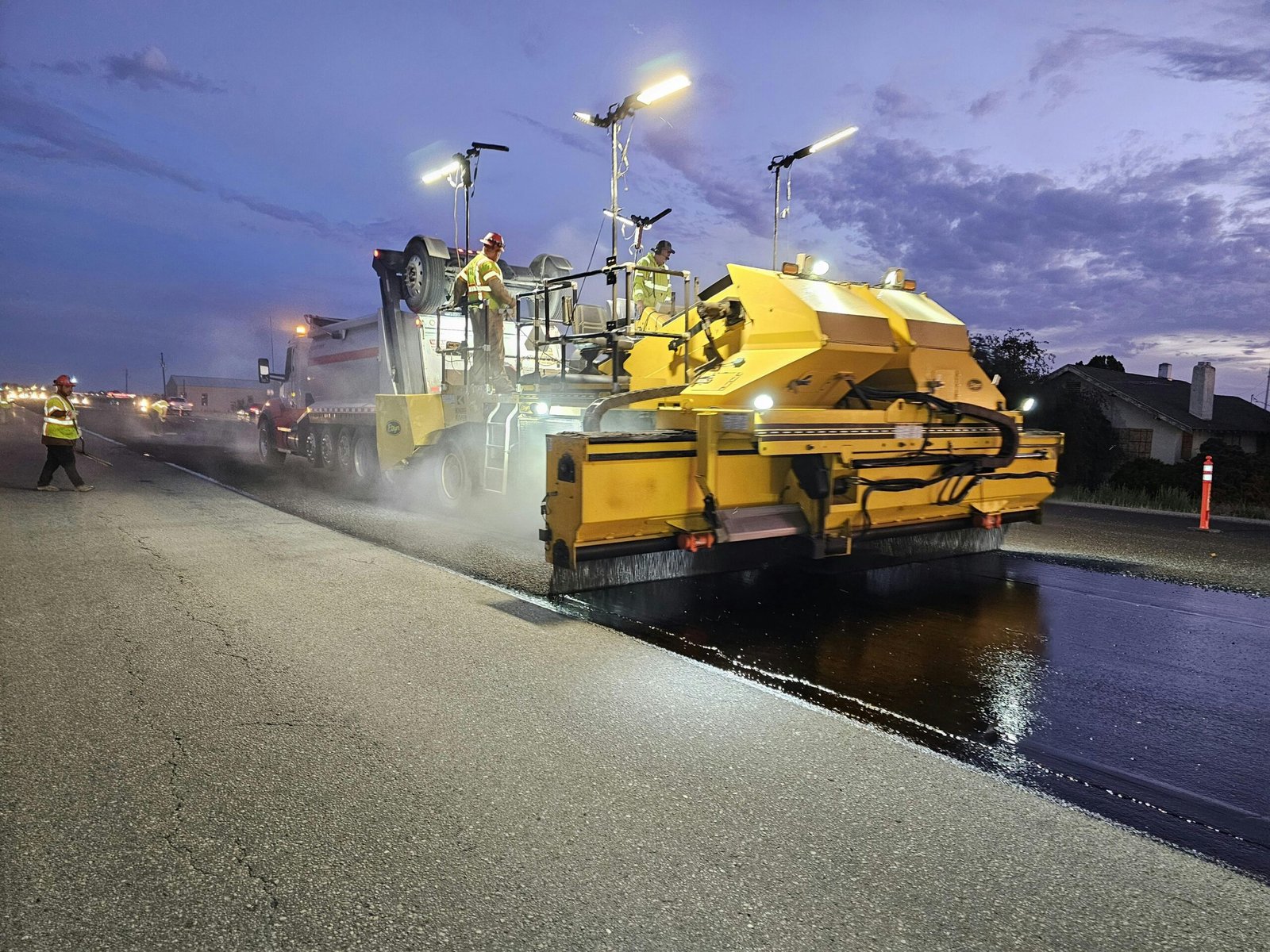
Sealcoating is one of the most effective methods for preserving asphalt surfaces. It involves applying a protective layer over existing pavement, shielding it from oxidation, moisture, and chemical spills. This process not only enhances appearance but also reinforces durability.
Functional Benefits of Sealcoating
A properly applied sealcoat acts as a barrier against environmental damage. It slows the oxidation process, maintains flexibility, and reduces water infiltration. Additionally, it improves surface traction and visibility by restoring a uniform, dark finish. For commercial properties, this translates into safer environments and stronger curb appeal.
The Importance of Timely Resurfacing
While sealcoating protects the surface, resurfacing addresses deeper structural issues. When pavement reaches a certain level of deterioration, overlaying a new asphalt layer becomes necessary. Delaying this process can result in complete pavement failure, requiring costly reconstruction.
Industry insights emphasize that timely resurfacing for roads and car parks is critical for maintaining safety and cost efficiency. Acting at the right moment ensures that minor defects do not escalate into major liabilities.
Best Practices in Pavement Maintenance
A comprehensive maintenance program combines inspection, crack sealing, sealcoating, and resurfacing. Regular assessments allow property owners and municipalities to identify early signs of distress and respond proactively. Crack sealing, for instance, prevents water from penetrating the base layers, while sealcoating preserves surface integrity.
Lifecycle Cost Efficiency
Investing in preventative maintenance significantly reduces lifecycle costs. Studies consistently show that early intervention extends pavement life by several years, minimizing the need for expensive reconstruction. According to federal highway asphalt pavement resources, strategic maintenance planning is essential for optimizing infrastructure budgets and ensuring long-term performance.
Commercial and Municipal Applications
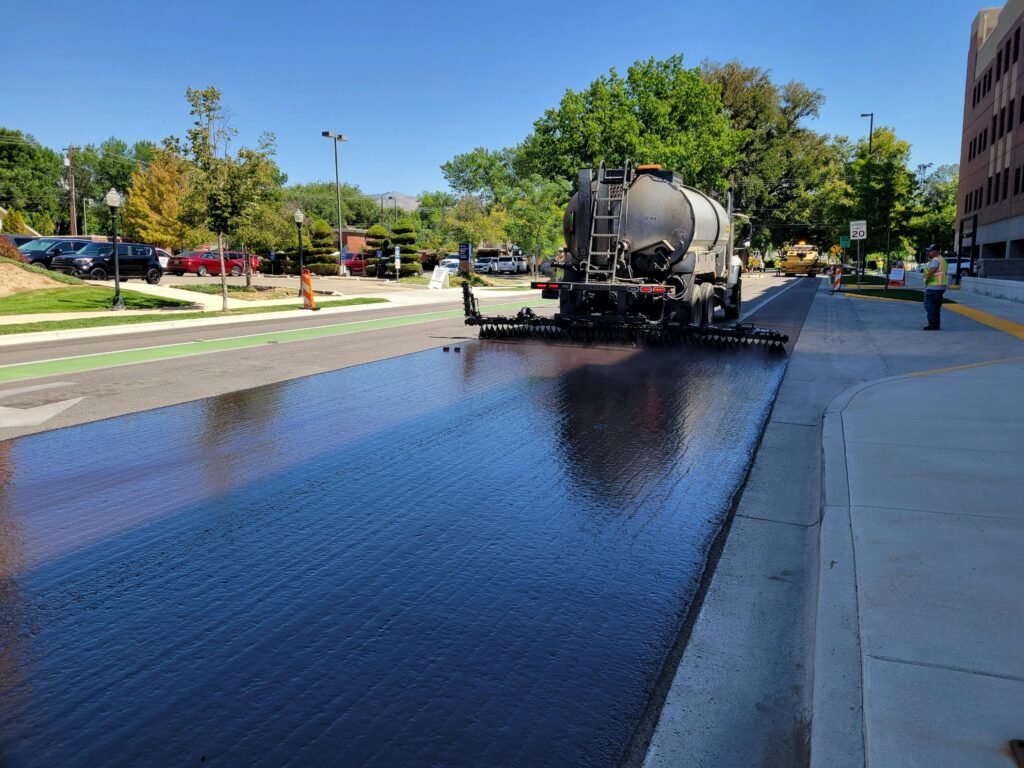
From shopping centers to public roadways, asphalt maintenance plays a vital role in daily operations. Well-maintained parking lots enhance customer experience and reduce liability risks, while properly preserved roads ensure smoother traffic flow and improved safety.
Environmental Considerations
Sustainable pavement management is increasingly important. By extending the lifespan of existing asphalt, maintenance practices reduce the need for new materials and lower carbon emissions associated with construction. Recycling technologies further enhance sustainability, allowing reclaimed asphalt pavement to be reused in new projects.
Asphalt Coatings Company: Expertise in Pavement Preservation
In the competitive field of pavement maintenance, experience and precision make a significant difference. Asphalt Coatings Company has established itself as a trusted provider of asphalt maintenance solutions, offering services that range from sealcoating and crack filling to comprehensive pavement management.
What sets the company apart is its commitment to quality and long-term performance. By utilizing advanced materials and proven application techniques, it ensures that each project delivers maximum durability and value. Whether addressing small-scale parking lots or large commercial surfaces, the company approaches every project with a focus on efficiency, safety, and client satisfaction.
Their expertise extends beyond application to strategic planning. By assessing pavement conditions and recommending tailored maintenance schedules, they help clients avoid unnecessary expenses and extend the functional life of their assets. This proactive approach aligns with modern infrastructure management principles, where prevention is prioritized over costly repairs.
Future Trends in Asphalt Maintenance
Technological advancements are reshaping the asphalt industry. Innovations such as infrared repair, polymer-modified binders, and smart monitoring systems are enhancing asphalt maintenance efficiency. These developments allow for more precise interventions, reducing downtime and improving overall performance.
Data-Driven Maintenance Strategies
The integration of data analytics into pavement management systems is transforming decision-making processes. By analyzing traffic patterns, environmental conditions, and surface performance, engineers can predict deterioration and schedule maintenance more effectively. This data-driven approach ensures optimal resource allocation and improved infrastructure resilience.
Conclusion
Asphalt surfaces are a fundamental component of modern infrastructure, but their longevity depends on consistent and strategic maintenance. Sealcoating, crack sealing, and timely resurfacing work together to preserve structural integrity and extend service life. Organizations that prioritize preventative care benefit from reduced costs, enhanced safety, and improved sustainability.
With industry leaders providing specialized expertise and evolving technologies offering new solutions, the future of pavement maintenance is both efficient and resilient. By adopting a proactive approach, property owners and municipalities can ensure that their asphalt assets continue to perform reliably for years to come.