Heavy Equipment Maintenance Guide: Reduce Downtime and Extend Equipment Life
Heavy Equipment Maintenance Guide: Reduce Downtime and Extend Equipment Life
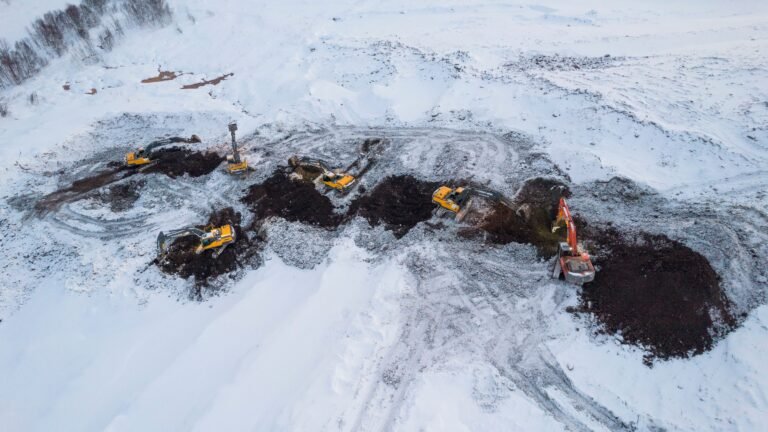
In today’s construction industry, equipment reliability directly impacts productivity, project schedules, and profitability. Whether operating excavators, bulldozers, wheel loaders, forklifts, or articulated dump trucks, contractors face increasing pressure to maximize machine uptime while controlling operating costs.
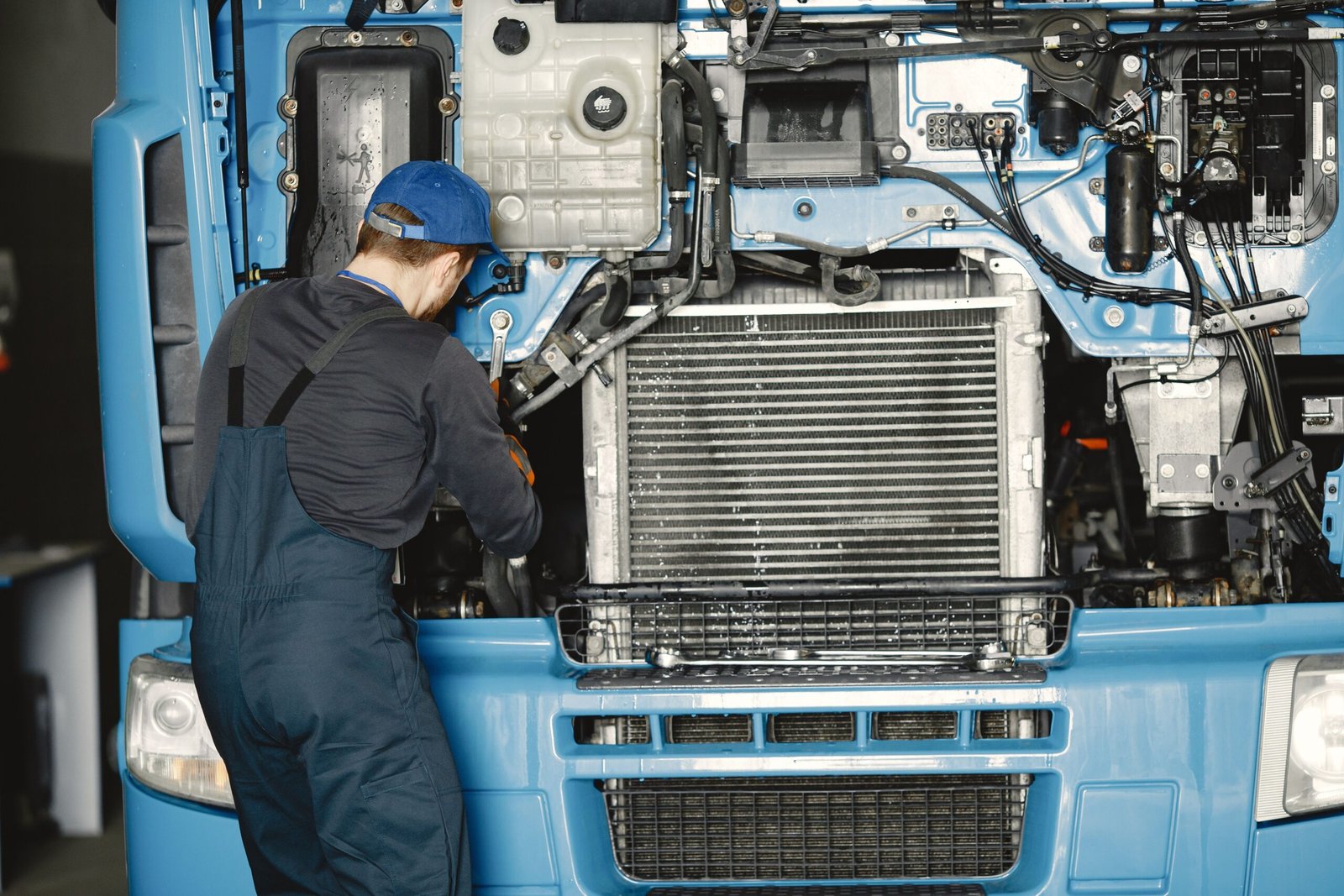
Unexpected breakdowns can halt entire projects, create safety risks, and generate substantial repair expenses. As equipment becomes more technologically advanced, preventive maintenance has evolved from a recommended practice into a critical business strategy.
This guide explores the importance of heavy equipment maintenance, common causes of machinery failure, and practical methods construction companies can implement to improve equipment performance and extend machine life.
The Growing Role of Technical Manual
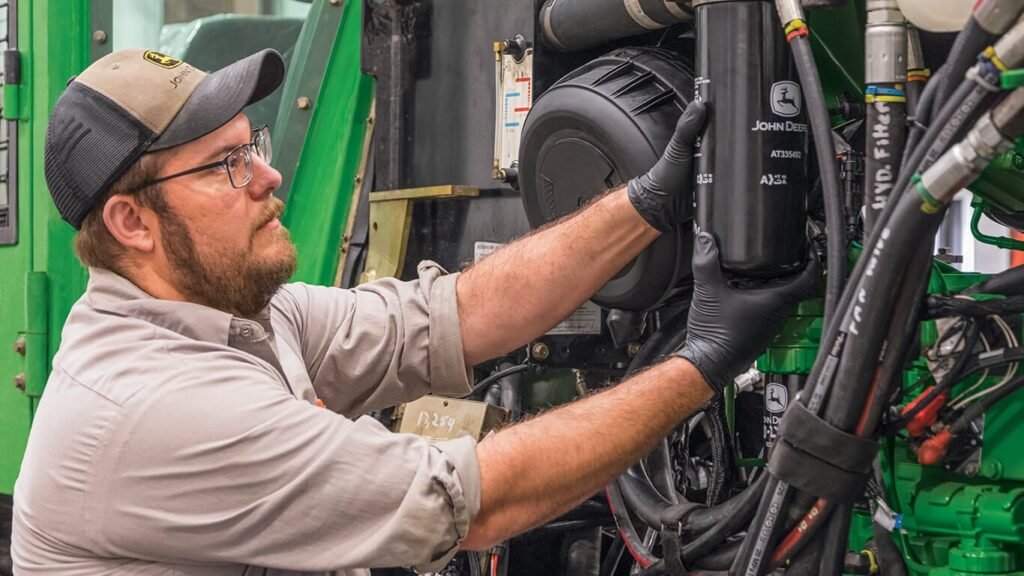
Heavy equipment service manuals is a Comprehensive help technicians follow manufacturer specifications, reduce troubleshooting time, and improve repair accuracy.
Professional technicians rely on service documentation to perform:
- Troubleshooting procedures
- Electrical diagnostics
- Hydraulic testing
- Engine repairs
- Calibration processes
- Component replacement
As heavy equipment incorporates advanced electronics, emissions systems, telematics, and onboard diagnostics, access to accurate technical information becomes increasingly important.
For fleet owners and independent repair facilities, having access to manufacturer-specific service information can significantly improve maintenance efficiency.
The True Cost of Equipment Downtime
Many contractors underestimate the financial impact of machine downtime. When an excavator or loader becomes inoperable, costs quickly accumulate through:
Lost Productivity
Operators remain idle while repairs are performed.
Project Delays
Missed milestones can result in contractual penalties and scheduling conflicts.
Emergency Repairs
Rush-ordered parts and emergency service labor often cost significantly more than scheduled maintenance.
Equipment Rental Expenses
Temporary replacement machines increase operational costs and reduce profit margins.
For large fleets, even a single day of downtime can result in thousands of dollars in lost revenue.
Essential Preventive Maintenance Practices
1. Daily Machine Inspections
Operators should inspect equipment before every shift.
Key inspection points include:
- Hydraulic hoses
- Fluid levels
- Engine oil
- Cooling systems
- Tracks and tires
- Electrical wiring
- Safety devices
Identifying minor issues early helps prevent major failures later.
2. Scheduled Service Intervals
Manufacturers establish maintenance intervals based on operating hours.
Routine services typically include:
- Oil changes
- Filter replacements
- Hydraulic system inspections
- Greasing procedures
- Belt adjustments
- Cooling system maintenance
Following factory-recommended service schedules improves reliability and component longevity.
3. Proper Lubrication
Lubrication remains one of the most overlooked maintenance tasks. Insufficient lubrication increases friction and accelerates wear in:
- Pins
- Bushings
- Bearings
- Swing systems
- Loader linkages
Establishing lubrication schedules can dramatically extend component life.
4. Hydraulic System Monitoring
Hydraulic systems power most modern construction equipment functions. Contaminated hydraulic fluid often causes:
- Pump failures
- Valve damage
- Cylinder wear
- Reduced operating performance
Routine fluid analysis helps identify contamination before catastrophic failure occurs.
5. Why Heavy Equipment Maintenance Matters
Construction equipment represents one of the largest investments for contractors and fleet owners. Machines from manufacturers such as John Deere, Caterpillar, Komatsu, Volvo, New Holland, Case, and Doosan often operate in harsh environments that accelerate wear and component degradation. A structured maintenance program delivers several benefits:
- Reduced unplanned downtime
- Improved fuel efficiency
- Extended equipment lifespan
- Lower repair costs • Increased job site safety
- Higher resale value
According to industry studies, preventive maintenance can significantly reduce total ownership costs compared to reactive repair strategies.
Predictive Maintenance and Modern Fleet Management
Technology is transforming equipment repair maintenance. Modern fleets increasingly use:
Telematics Systems
Real-time monitoring of machine performance and operating conditions.
Oil Analysis Programs
Early detection of internal wear and contamination.
Diagnostic Software
Identification of fault codes before failures occur.
Maintenance Tracking Platforms
Automated scheduling based on operating hours and service intervals.
These tools help contractors transition from reactive repairs to predictive maintenance strategies.
Best Practices for Construction Fleet Owners
To maximize equipment availability, fleet managers should:
- Create preventive maintenance schedules
- Train operators on daily inspections
- Maintain accurate service records
- Use genuine replacement parts
- Monitor equipment performance data
- Follow manufacturer maintenance recommendations
- Utilize detailed technical documentation during repairs
As construction equipment continues to evolve, organizations that invest in maintenance excellence will be better positioned to compete in an increasingly demanding industry environment.
Conclusion
Heavy equipment maintenance is no longer simply a repair department responsibility. It is a strategic function that directly influences project success, profitability, and equipment lifespan.
By combining preventive maintenance, operator inspections, predictive technologies, and access to accurate technical information, construction companies can dramatically reduce downtime and improve operational efficiency.
Organizations that consistently implement these practices often experience lower operating costs and greater fleet reliability.