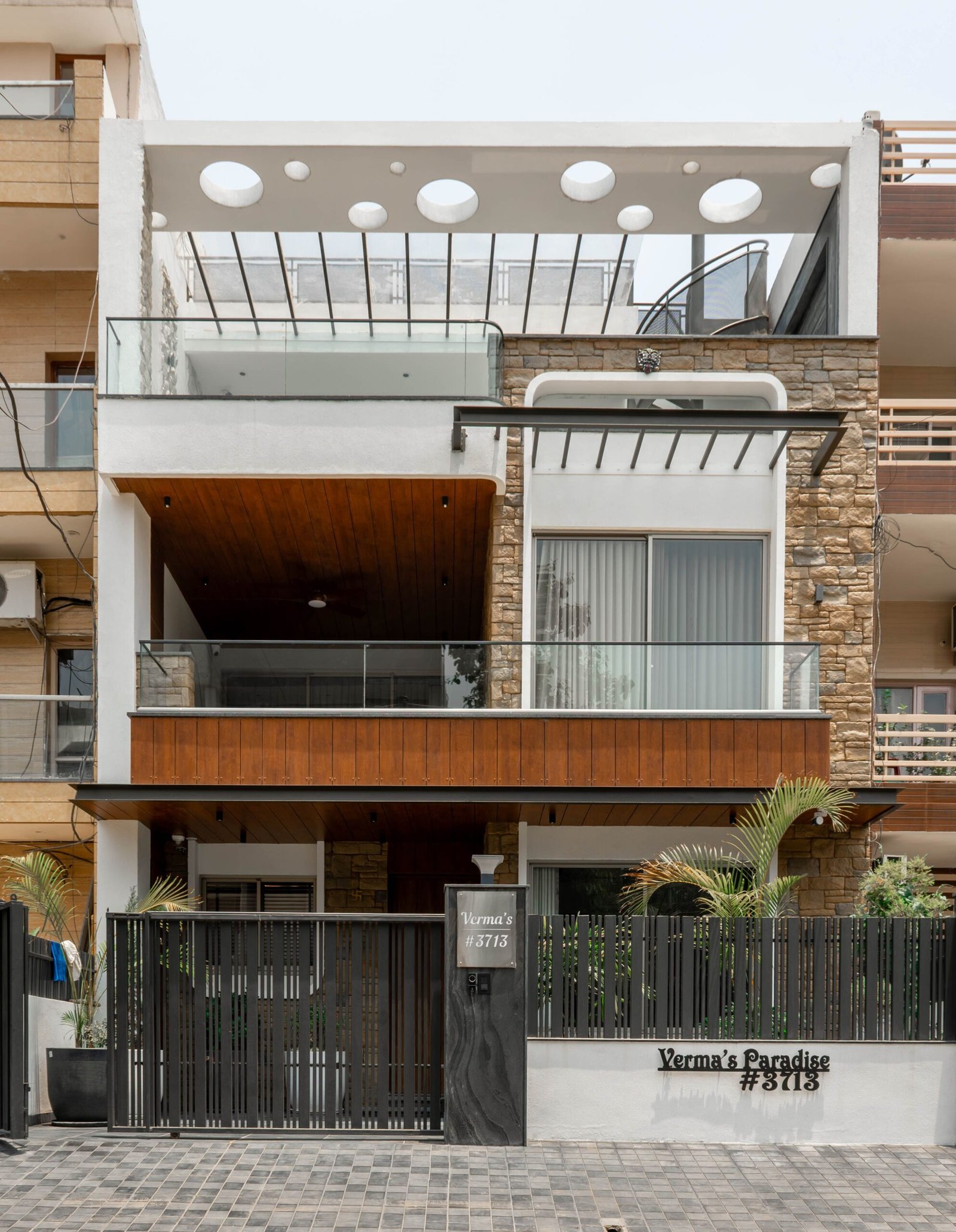
Elevating Your Home’s Exterior: How Modern House Numbers and Curb Appeal Details Transform First Impressions
When homeowners think about improving their property, the conversation almost always gravitates toward major renovations — a new kitchen, a bathroom remodel, or perhaps replacing the windows. Yet some of the most impactful changes to a home’s character happen at the smallest scale. The details that greet visitors before they even reach the front door — the mailbox, the lighting, the landscaping, and yes, the house numbers — collectively define the personality of a property. These finishing touches are not afterthoughts. They are the punctuation marks of architectural expression, and getting them right can make a home feel cohesive, intentional, and genuinely welcoming.
Why Curb Appeal Starts With the Details
Curb appeal is a term that gets thrown around frequently in real estate and home improvement circles, but it is rarely broken down into its component parts. Most people understand it as a general sense of attractiveness — a well-maintained lawn, a freshly painted door, tidy hedges. But curb appeal is actually the sum of dozens of micro-decisions, each one contributing to the overall visual harmony of a home’s exterior. A mismatched mailbox, faded address numbers, or a cluttered entryway can undermine even the most beautifully landscaped front garden.
This is why design-conscious homeowners are increasingly paying attention to elements that were once considered purely functional. House numbers, for instance, serve an obvious practical purpose — they help visitors, delivery drivers, and emergency services locate a property. But they also serve an aesthetic one. The font, finish, size, and mounting style of address numbers communicate something about the home’s design sensibility. A sleek, brushed stainless steel number set signals a contemporary aesthetic. Brass or bronze numerals suggest a more traditional or transitional style. The choice matters more than most people realize.
The Rise of Architectural Hardware as a Design Statement
Over the past decade, there has been a notable shift in how homeowners approach exterior hardware. What was once a category dominated by generic, mass-produced products has evolved into a space where craftsmanship, material quality, and design coherence are genuinely valued. This mirrors broader trends in interior design, where hardware — cabinet pulls, door handles, faucets — has become a focal point rather than a background element.
The same evolution is happening outdoors. Homeowners renovating or building new properties are now selecting exterior elements with the same care they apply to interior finishes. This includes everything from door knockers and letterboxes to light fixtures and, increasingly, house numbers. The goal is a unified home’s exterior palette — one where every element feels considered and intentional rather than assembled from whatever happened to be available at the local hardware store.
Matching Your Numbers to Your Home’s Architectural Style
One of the most common mistakes homeowners make is selecting house numbers in isolation, without considering how they relate to the broader architectural language of the property. A mid-century modern home, for example, benefits from clean-lined, sans-serif numerals in a matte or brushed finish. A Victorian terrace, on the other hand, might suit more ornate, serif-style numbers in a warmer metal tone. Contemporary new builds often look best with oversized, minimalist numbers that make a bold statement against rendered or cladded facades.
Mounting style is equally important. Floating numbers — those mounted with standoffs that create a subtle shadow effect — add depth and dimension to a flat surface. Flush-mounted numbers offer a cleaner, more understated look. Some homeowners opt for illuminated numbers, which serve a dual purpose: they look striking after dark and improve visibility for visitors arriving in the evening. The range of options available today means there is genuinely no excuse for settling on something generic.
Investing in Your Home’s Exterior: Where to Prioritise
For homeowners planning a broader exterior renovation, it helps to think strategically about where investment will have the greatest impact. Larger projects — such as replacing windows — can significantly improve both the appearance and energy efficiency of a property. Understanding the cost of double glazing for a three-bedroom house in the UK is a useful starting point for budgeting these kinds of improvements, particularly as energy costs continue to influence renovation decisions. Once the structural and functional upgrades are in place, the finishing details — numbers, hardware, lighting — can be layered on top to complete the look.
This layered approach to exterior renovation is increasingly popular among homeowners who want to maximise the return on their investment. Large-scale improvements like new windows or a repainted facade create the canvas; the smaller details are what bring the composition to life. Skipping those final touches is a bit like framing a painting and then leaving the wall bare around it — the effort is there, but the full effect is never quite achieved.
Mailboxes and Address Accessories: The Overlooked Opportunity
If house numbers are the most overlooked exterior detail, mailboxes run a close second. In the United States especially, the mailbox is often the first element a visitor encounters when approaching a property, yet it is frequently the last thing homeowners think to update. The good news is that the market for well-designed mailboxes has expanded considerably in recent years. For those drawn to mid-century aesthetics, there are now genuinely beautiful options that complement the clean lines and organic forms of that design era. Exploring mid-century modern mailbox ideas can provide excellent inspiration for homeowners looking to bring that distinctive style to home’s exterior.
Coordinating Your Exterior Accessories for a Unified Look
The most effective exterior schemes are those where the various elements — numbers, mailbox, lighting, door hardware — share a common design language. This does not mean everything needs to match exactly; in fact, a rigid uniformity can feel sterile. Rather, it means that the finishes, proportions, and stylistic references should feel harmonious. A brushed nickel mailbox pairs naturally with similarly finished house numbers. A matte black mailbox works beautifully alongside black-framed windows and dark door hardware. These relationships, when handled thoughtfully, create an exterior that feels curated rather than assembled.
Modern House Numbers: A Brand Built on Design Integrity
For homeowners serious about getting these details right, the quality of the products they choose matters enormously. Poorly made house numbers fade, corrode, or simply look cheap against a well-maintained facade — undermining the very impression they are meant to create. Modern House Numbers has built its reputation on offering address numbers that combine genuine design quality with material durability, giving homeowners the confidence that their exterior details will look as good in five years as they do on installation day. The brand’s range spans a variety of styles and finishes, making it straightforward to find options that align with virtually any architectural aesthetic.
Conclusion: Small Details, Lasting Impact
The exterior of a home is its public face — the version of itself that it presents to the street, to neighbours, and to anyone who passes by. Investing in that face, even at the level of address numbers and mailboxes, is an investment in the home’s identity. These are not frivolous concerns. They are the details that separate a house that simply exists on a street from one that genuinely belongs there — one that has been thought about, cared for, and expressed with intention. In a world where first impressions are formed in seconds, those details carry more weight than their modest scale might suggest.