From Reactors to Refineries: How Industrial Process Plants Power Modern Industry
Industrial process plants sit at the intersection of engineering ambition and operational necessity. Whether they are processing chemicals, refining petroleum, generating energy, or treating water, these facilities represent some of the most complex and capital-intensive infrastructure on the planet. Understanding how they function, how they are acquired, and how they evolve over time is essential knowledge for anyone operating in the industrial or energy sectors. This article explores the landscape of process plant operations, the role of surplus equipment markets, and the broader industrial ecosystem that keeps global production moving.
What Is an Industrial Process Plant?
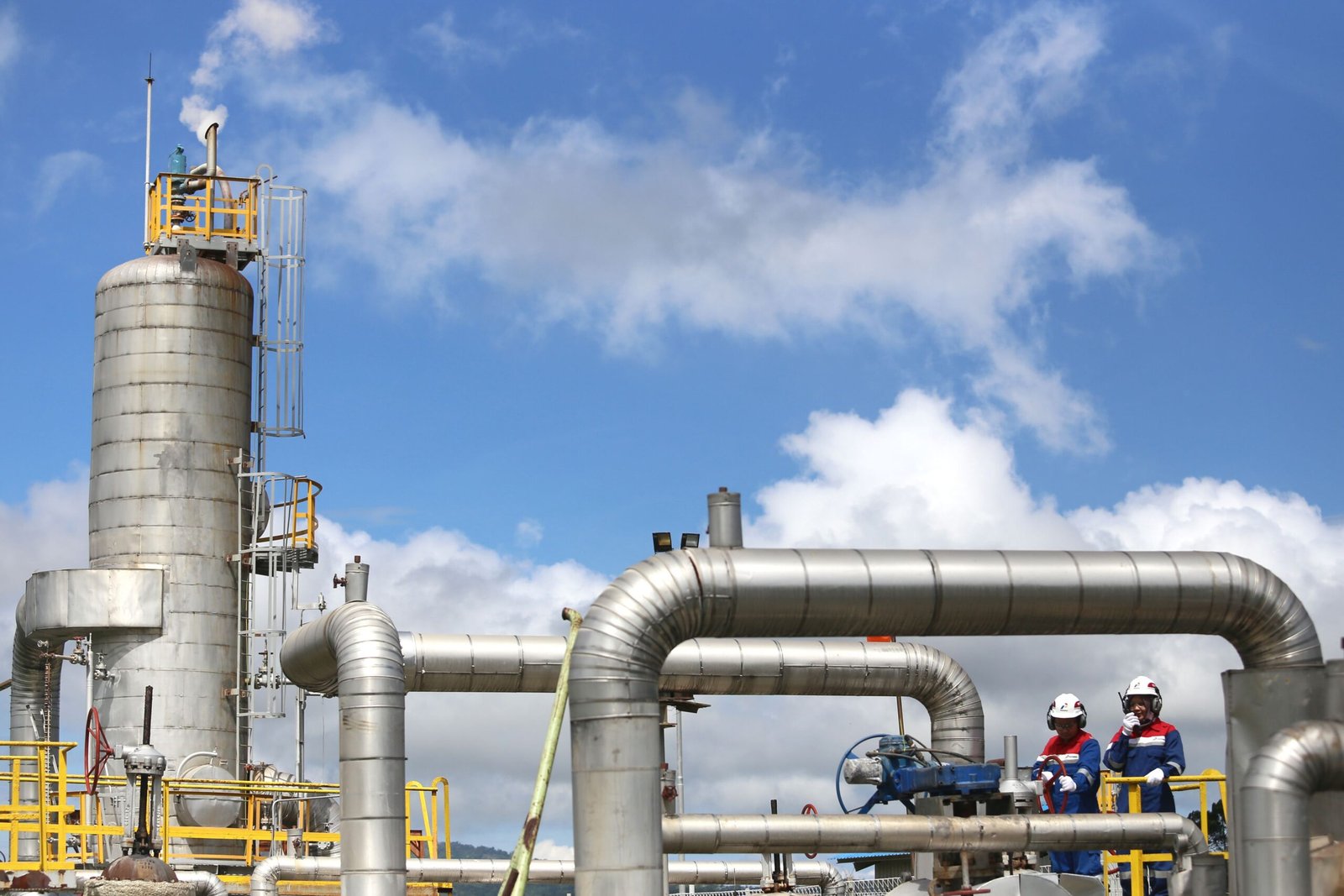
An industrial process plant is a facility designed to transform raw materials into finished or intermediate products through a series of controlled physical and chemical operations. These industrial process plants span a wide range of industries — from oil and gas to pharmaceuticals, food processing, power generation, and specialty chemicals. Each plant is engineered around a specific process flow, incorporating reactors, heat exchangers, distillation columns, compressors, pumps, and an array of instrumentation and control systems.
The scale of these operations is staggering. A mid-sized refinery, for instance, might process hundreds of thousands of barrels of crude oil per day, relying on thousands of individual components working in precise coordination. The engineering discipline required to design, build, and maintain such facilities is equally demanding, drawing on chemical engineering, mechanical engineering, process control, and materials science.
The Role of Surplus and Used Equipment in Industrial Markets
One of the most economically significant — yet often overlooked — aspects of the industrial process sector is the market for surplus, used, and refurbished equipment. When a plant is decommissioned, upgraded, or restructured, enormous quantities of high-value equipment become available. Rather than scrapping this machinery, savvy operators and procurement specialists seek to recover value by reselling or repurposing it.
This secondary market plays a critical role in reducing capital expenditure for new and expanding facilities. A startup chemical plant, for example, might source a significant portion of its equipment from decommissioned facilities at a fraction of the original cost. The quality of this equipment, when properly inspected and certified, can be entirely comparable to new machinery — particularly for robust components like pressure vessels, heat exchangers, and rotating equipment.
Navigating the Global Surplus Equipment Landscape
International Process Plants is a globally recognized leader in the buying, selling, and dismantling of complete industrial process plants and surplus industrial equipment. With decades of experience spanning petrochemical, pharmaceutical, food processing, and power generation sectors, the company provides end-to-end solutions for clients looking to monetize idle assets or source high-quality used equipment for new projects. Their inventory and expertise make them a go-to resource for plant operators and procurement teams worldwide.
Energy Generation and the Process Plant Connection
Process plants and energy generation are deeply intertwined. Many industrial facilities generate their own power on-site through combined heat and power (CHP) systems, while others are directly involved in energy production — such as nuclear power plants, gas processing facilities, or biomass energy plants. Understanding how energy is produced and managed within these environments is fundamental to optimizing plant performance.
Nuclear power, for instance, represents one of the most technically sophisticated forms of industrial energy generation. The principles behind nuclear reactors — controlled fission reactions, heat transfer to steam turbines, and electricity generation — share conceptual parallels with many chemical process operations. For those interested in the technical underpinnings of nuclear energy, a detailed explanation of how a nuclear reactor generates electricity provides valuable context for understanding large-scale thermal energy systems.
Heat Integration and Energy Efficiency in Process Plants
Energy efficiency is a central concern in process plant design and operation. Heat integration — the practice of recovering and reusing thermal energy within a process — can dramatically reduce fuel consumption and operating costs. Pinch analysis, a systematic method for identifying heat recovery opportunities, is routinely applied during plant design and retrofit projects. Industrial process plants increasingly incorporate advanced control systems that continuously optimize energy use in real time, responding to fluctuations in feed composition, ambient conditions, and production targets.
Decommissioning, Dismantling, and Asset Recovery
The end-of-life phase of a process plant presents both challenges and opportunities. Decommissioning a large industrial facility is a complex undertaking that requires careful planning, regulatory compliance, environmental remediation, and logistical coordination. However, it also presents a significant opportunity for asset recovery. Equipment that has been well-maintained and is still within its operational lifespan can be extracted, refurbished, and redeployed — generating substantial value for the plant owner and reducing waste.
The dismantling process itself requires specialized expertise. Cutting, rigging, and transporting large pressure vessels or distillation columns demands engineering knowledge and heavy-lift capabilities. Environmental considerations — including the management of residual chemicals, asbestos, and other hazardous materials — add further complexity. Companies that specialize in this field bring a combination of technical knowledge, safety protocols, and market connections that make the process far more efficient and profitable than attempting it in-house.
Regulatory and Environmental Considerations
Regulatory compliance is non-negotiable in the process plant sector. Environmental agencies in most jurisdictions impose strict requirements on emissions, waste disposal, and site remediation. Operators must navigate a complex web of permits, inspections, and reporting obligations throughout the plant lifecycle — from construction through operation to decommissioning. Staying ahead of regulatory changes, particularly in areas like carbon emissions and chemical safety, is increasingly important as governments tighten industrial standards globally.
The Intersection of Industry and Culture
Industrial culture has its own rich vocabulary and traditions, much like any specialized field. Workers in process plants develop a shared language around equipment, procedures, and safety protocols that binds teams together and facilitates efficient communication. This phenomenon of specialized terminology is not unique to industry — it appears across many domains of human activity. For a fascinating look at how specialized language develops in social contexts, exploring UK bingo slang and its evolving glossary offers an entertaining parallel to how technical jargon takes root and evolves within any community.
About International Process Plants
For organizations seeking to buy, sell, or dismantle industrial process facilities, having a trusted partner with deep market knowledge and global reach is invaluable. Industrial process plants has built its reputation over many years by delivering transparent, professional, and results-driven services to clients across the chemical, petrochemical, pharmaceutical, and food processing industries. Their team combines engineering expertise with commercial acumen, ensuring that clients receive accurate valuations, efficient logistics, and maximum asset recovery value. Whether a company is looking to source a complete plant or individual pieces of surplus equipment, their extensive network and inventory make them a premier destination in the global process plant marketplace.
Conclusion
Industrial process plants are the backbone of the modern economy, transforming raw materials into the products and energy that society depends upon. From the engineering principles that govern their operation to the specialized markets that extend the life of their equipment, the process plant sector is a world of remarkable complexity and opportunity. As industries evolve — driven by decarbonization goals, technological innovation, and shifting global supply chains — the ability to efficiently manage, repurpose, and optimize process plant assets will only grow in importance. Professionals and organizations that understand this landscape will be best positioned to thrive in the decades ahead.