Solar power system: A Practical Guide for Site Teams
A household considering a solar power system usually starts with the roof, but a successful installation also depends on energy use, inverter selection, electrical layout, and the possibility of adding storage later. The best design begins with the property rather than a standard equipment package. Project planning is easier when the main operating requirement is clear from the beginning. The strongest proposals connect product capabilities to a specific operating need instead of relying on broad claims. The central design task is to connect the selected equipment with a clear site requirement.
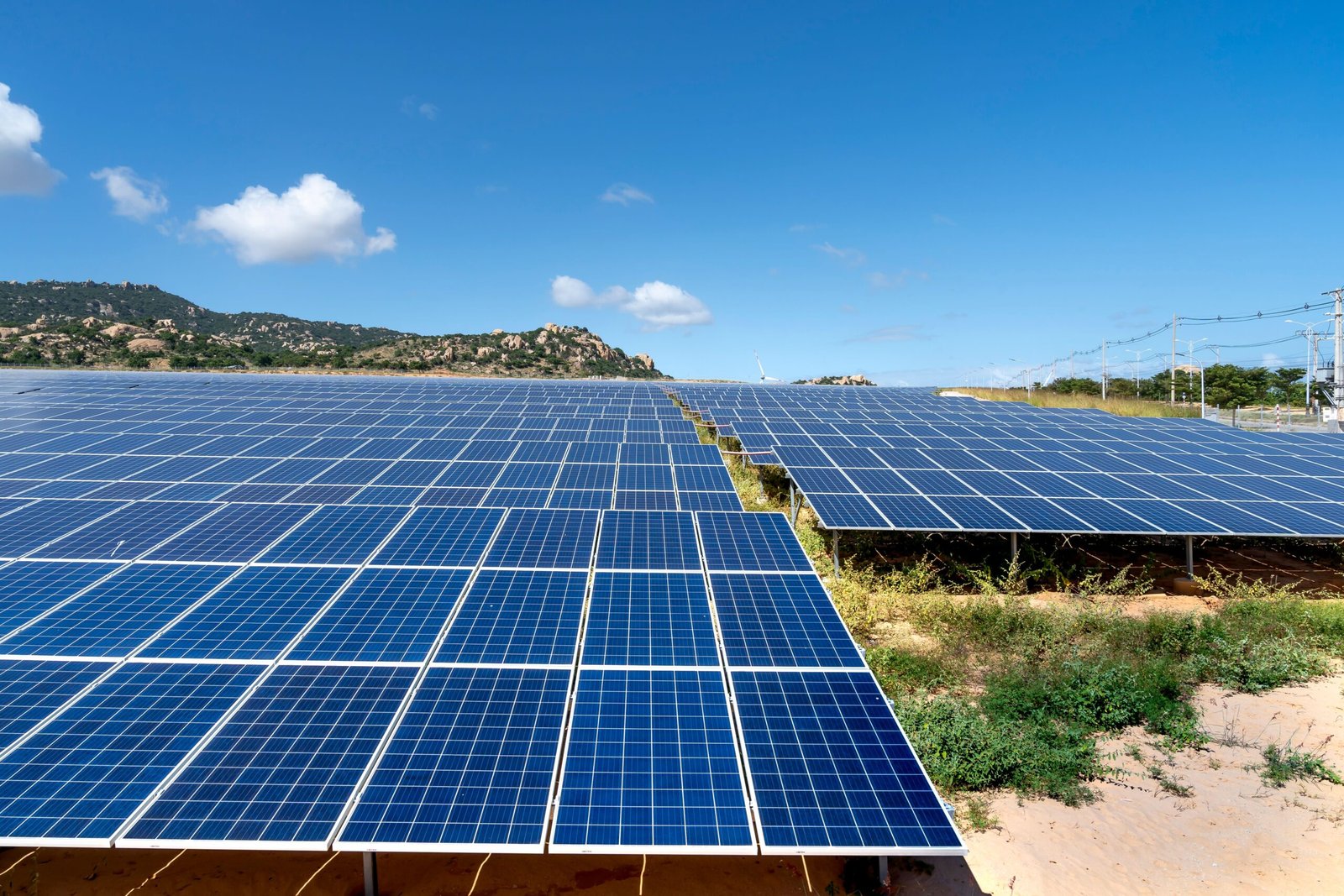
 Illustrative view of equipment used in 家庭绿电 projects.
Compare the project over its operating life
The purchase price is only one part of the financial picture. Generation assumptions, self-consumption, electricity tariffs, maintenance, battery replacement timing, warranties, and the cost of any electrical upgrades all influence long-term value. A transparent proposal should state its assumptions and show how the result changes if energy use, tariffs, or generation differ from the initial estimate.
Make future expansion a practical scenario
Growth assumptions should be translated into specific triggers, such as additional racks, more PV capacity, new vehicle chargers, or a changed household load. The team can then identify which cables, switchgear, floor space, communications, and controls need to be reserved. This is more useful than simply labeling a design as future-ready. For a closer look at the solution scope, review solar power system and consider how its documented functions fit the site layout, electrical interfaces, and operating plan.
Leave room for future changes
Household energy use can change after an EV charger, heat pump, extension, or new appliance is added. A design review should consider whether the inverter, distribution board, battery interface, and cable routes can accommodate likely future requirements. Planning for expansion does not mean installing every possible component at the outset; it means avoiding choices that make sensible upgrades unnecessarily difficult.
Make monitoring part of normal ownership
Digital monitoring helps homeowners and installers understand whether the system is producing as expected and whether an individual component needs attention. Useful information includes daily generation, household consumption, battery state of charge, grid import, and alerts. The platform should make these readings understandable rather than requiring the owner to interpret raw electrical data. Performance should always be assessed against the actual installation conditions and the complete system boundary.
Plan storage around when energy is needed
A battery can shift some solar energy from the hours of high generation to periods when household demand is greater. The useful battery size is therefore linked to the daily load curve, desired backup circuits, and the amount of surplus generation available to charge it. Oversizing storage without a clear usage pattern can increase project cost without delivering equivalent everyday benefit. A project specification for solar power system should identify the applicable configuration, installation limits, commissioning checks, and service responsibilities.
Begin with the household load profile
A useful residential design starts with a record of how electricity is used throughout the day. Evening cooking, air conditioning, water heating, and vehicle charging can create very different demand patterns from a home that is empty during working hours. Reviewing seasonal bills and major appliances helps the installer estimate how much generation can be used directly and whether storage is likely to add practical value.